At the zoo, the animal a child most wanted to see may be asleep when everyone arrives. After a patient wait, one ear moves, a head lifts, and that tiny development becomes an event. The visit has its own schedule, regardless of the carefully folded map.
Zoo coloring pages can bring those encounters back once tired feet have made it home. A favorite may be the animal that performed no particular trick, simply because it came close enough for a proper look. Revisiting it on paper gives a child time to explain the moment, including exactly who spotted it waking up first.
Free Printable Zoo Coloring Pages
Click any coloring page below to open the PDF, then print on US Letter or A4 paper.
Did you find what you needed?
Help us choose what to create or improve next.
Coloring Ideas for Zoo Pages
Try these creative ideas to make the most of your coloring sheets.
Watch How the Panda Holds Its Lunch
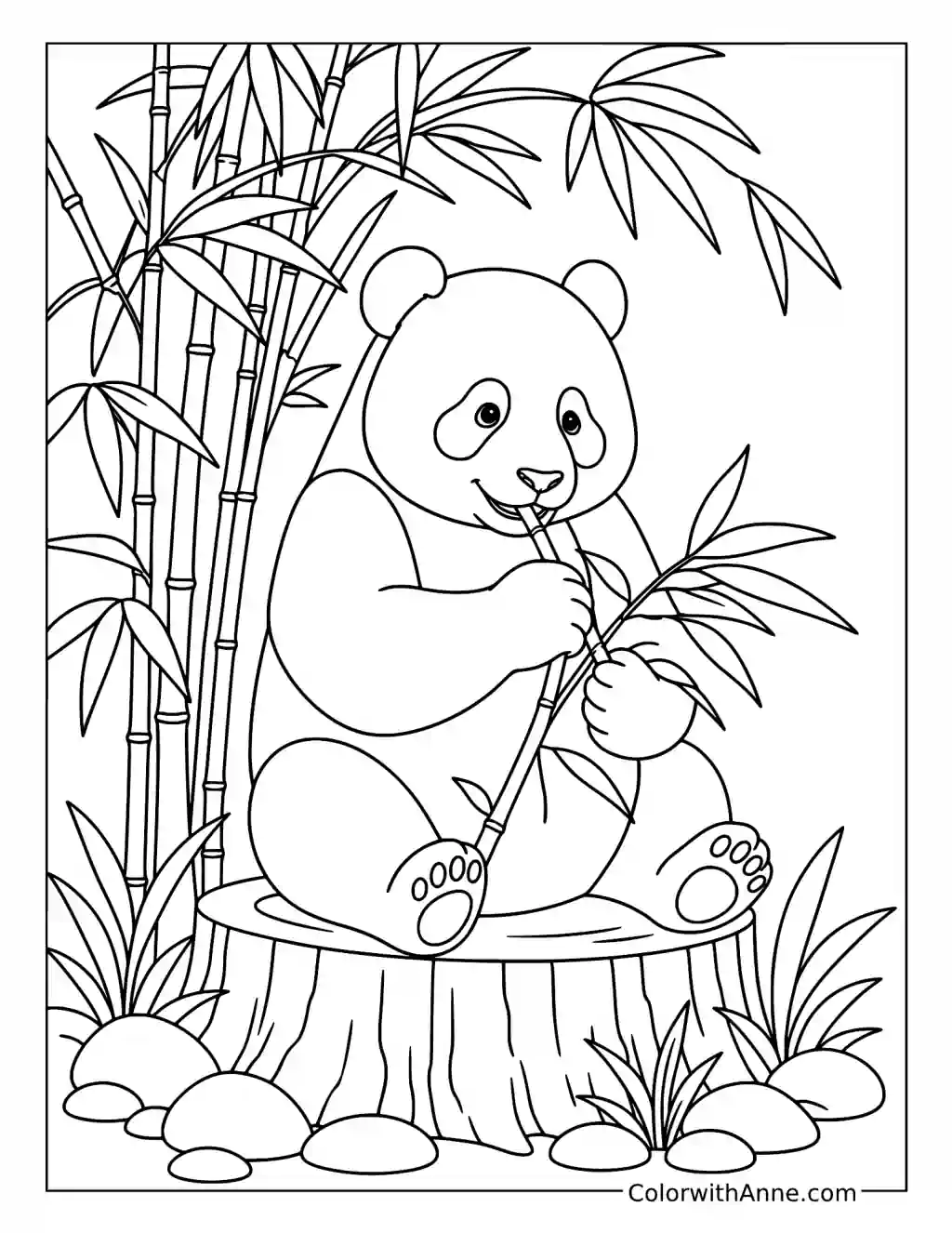
The panda sits with bamboo gathered close, comfortably occupied with eating. Its rounded body and careful grip make this a lovely picture for noticing the smaller movements that can be missed during a quick zoo visit.
Keep the familiar black patches clear, with a little pale gray on the white fur. Different greens in the bamboo would suggest both fresh leaves and thicker stems.
If a zoo visit or panda video is coming up, use the page to choose one thing to watch: how the panda holds a stem, brings food to its mouth, or changes position. Looking for a particular movement often leads to a longer, more satisfying observation than simply waiting for the animal to do something dramatic.
Notice the Small Gorilla’s Hands
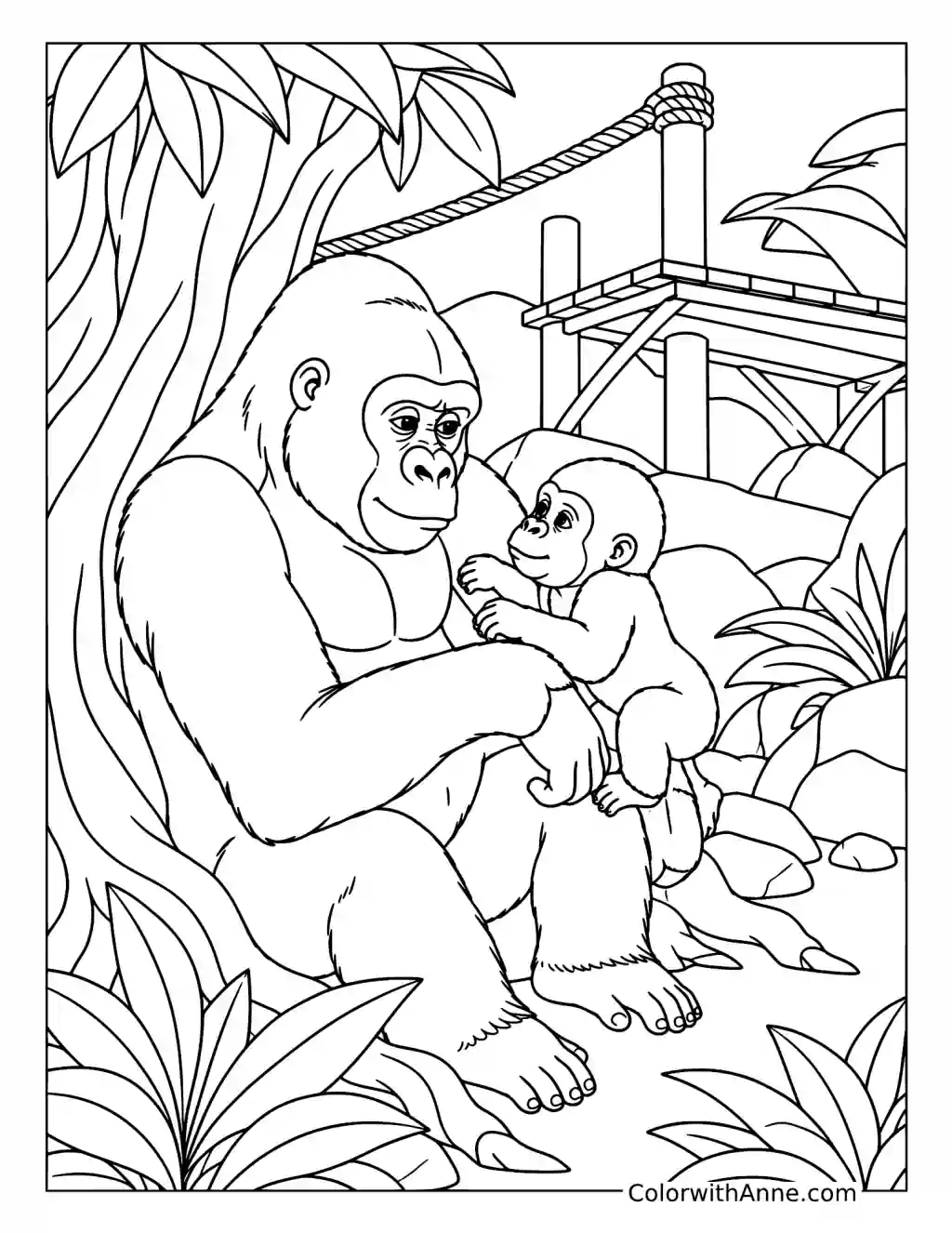
The adult gorilla holds the baby close beneath the broad leaves of its habitat. The two faces and the baby’s smaller hands are worth a slow look before the surrounding plants receive any attention.
Dark gray and brown could give the fur a soft, natural appearance. Slightly lighter faces and hands would keep the expressions visible among the darker areas.
This picture works well for a conversation about how adults care for babies. Let children point out what the adult is doing and where the baby is supported. They may notice familiar gestures from their own family, such as being held close or resting against someone’s chest. The connection can stay simple and personal.
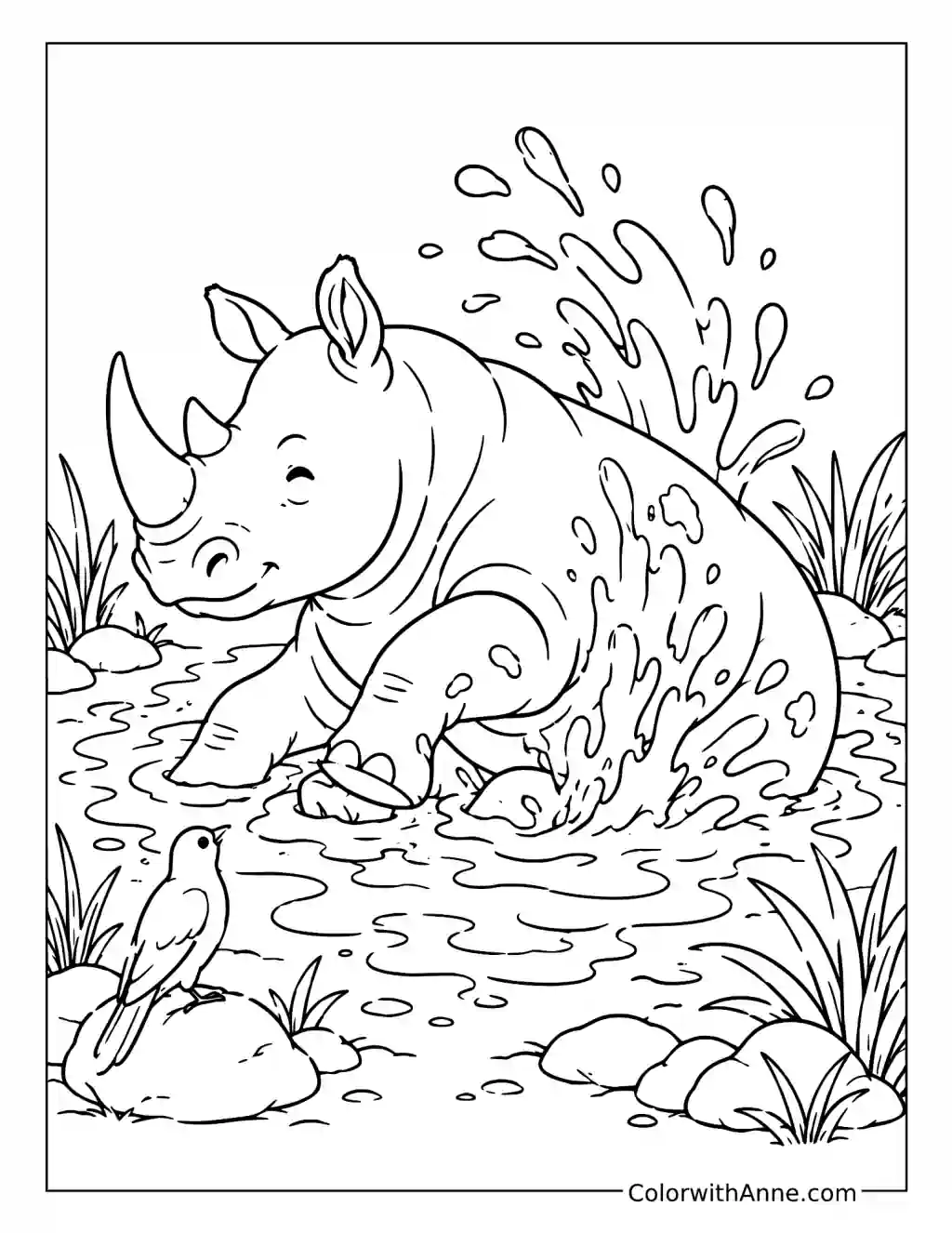
Enjoy the Rhino’s Very Muddy Bath
The rhinoceros is thoroughly involved in its mud bath, with splashes rising around its body. A small bird stands nearby, apparently much less committed to getting dirty than the main occupant of the pool.
Gray skin with uneven brown patches would suit a rhino halfway through a good wallow. The mud can vary from light tan at the edges to deeper brown underneath.
For a little extra texture, use the side of a brown crayon over scrap paper, tear off a few muddy-looking shapes, and add them around the pool. Keep the splashes visible. This rough finish suits the subject particularly well; a rhino’s mud bath does not need the polished edges of a neatly tiled bathroom.
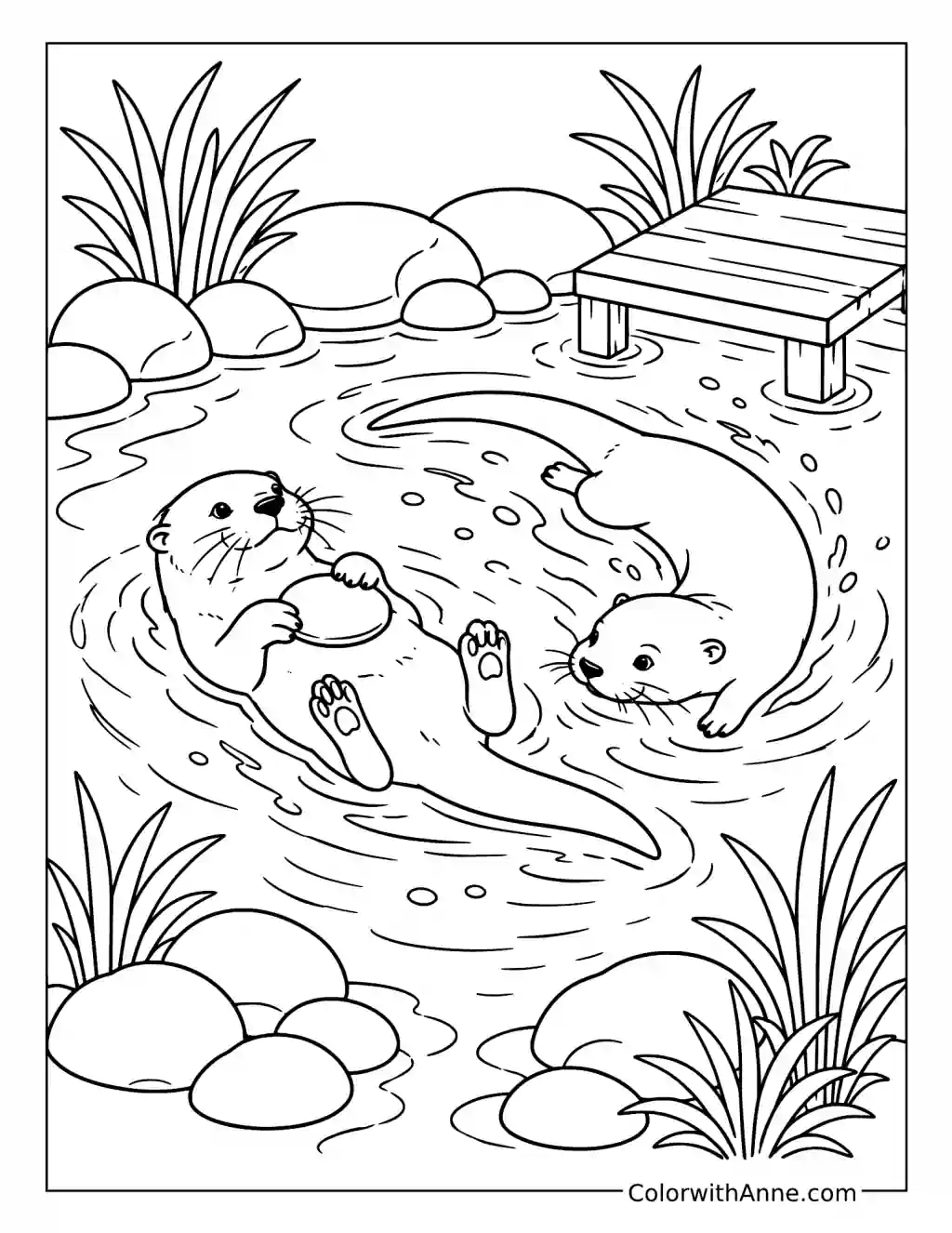
Trace the Otters’ Swimming Loops
Two otters move through a pool bordered by rocks and a small platform. The curved ripples around them make the water feel busy, as though sitting still was never part of their plan.
Brown fur and lighter faces would suit the otters. Pale blue water with a few turquoise ripples could suggest movement without filling every patch with a different color.
Follow the ripples with a fingertip and work out how each otter might have reached its position. Children can draw the next loop on separate paper, adding a turn, a dive, or a return toward the rocks. It is a natural little drawing exercise for anyone who wishes the swimming scene continued beyond one frozen moment.
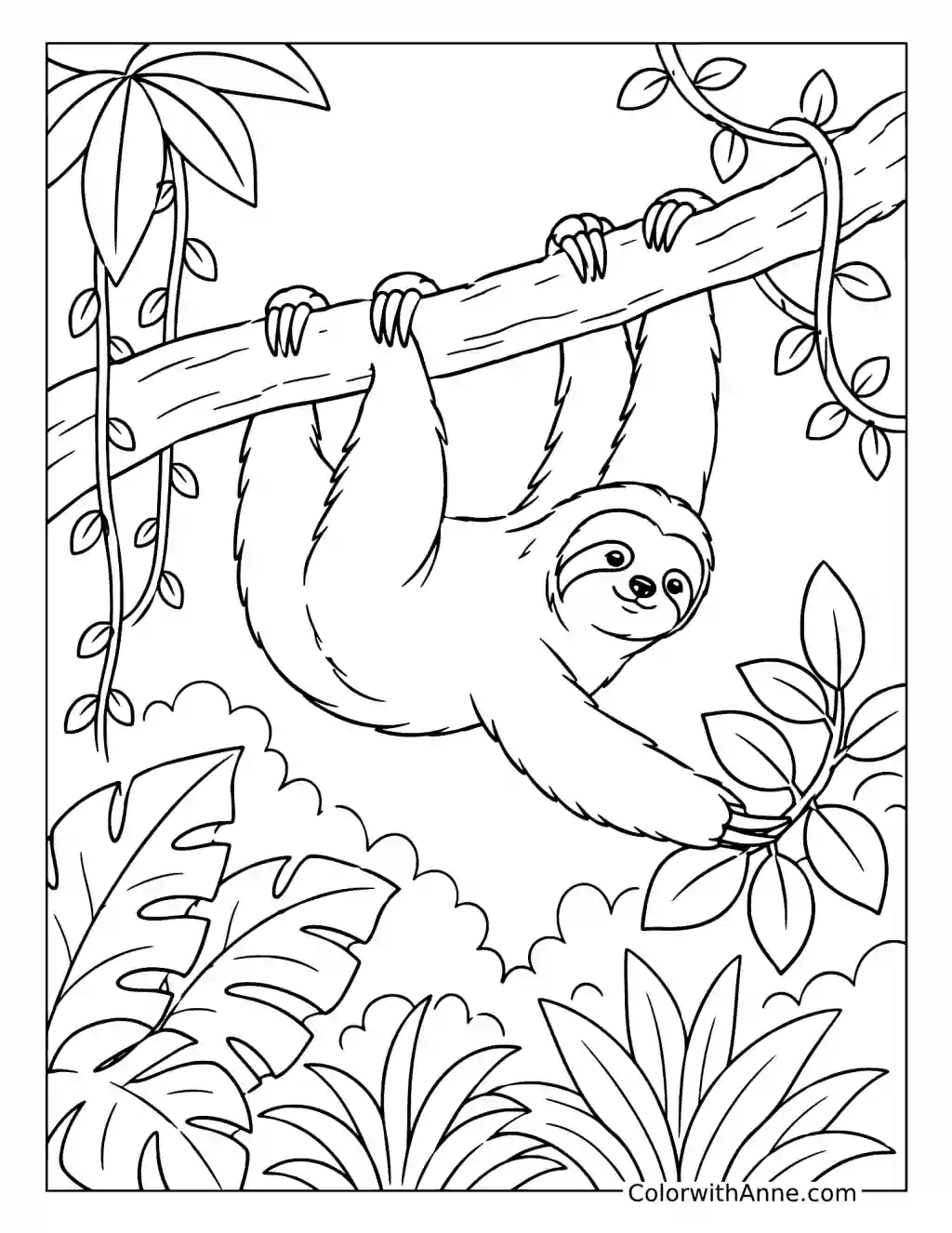
Turn the Sloth Picture Upside Down
The sloth hangs beneath a branch, surrounded by leaves and curling vines. Its face seems perfectly at ease with a position that would make reading the morning newspaper rather awkward.
Soft gray-brown fur would suit the sloth, with a paler face. Broad green leaves could stay fairly simple so the curved claws remain easy to see.
Turn the page upside down before starting, then slowly rotate it back. The sloth’s arrangement suddenly becomes easier to understand when its body is temporarily the right way up. It is a fun way to look at an animal drawing differently, and a useful reminder that the usual orientation of a page can hide details in plain sight.
Choose the Stops for a Zoo Train Ride
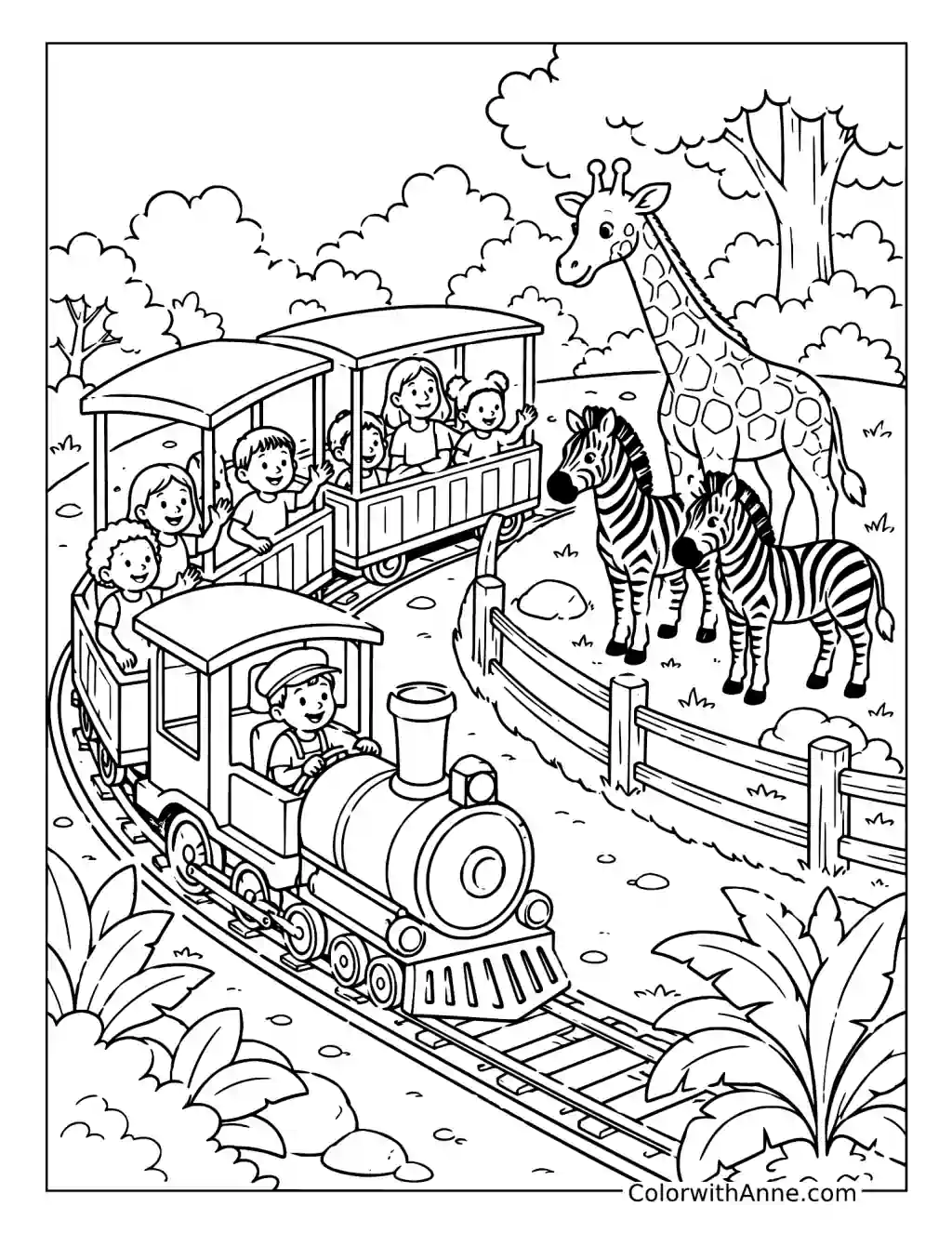
Children ride in the little zoo train as it passes animal habitats. The engine and carriages bring a welcome bit of transport excitement into a day that might otherwise involve quite a lot of walking.
A cheerful red or blue engine would suit the scene. The carriages could repeat one color, while the animals keep their familiar markings.
Use the picture to plan a pretend train route with three stops. Each stop should have a reason to linger, such as watching a giraffe feed or seeing how a zebra moves. A few animal toys placed around the room can mark the stations. The best stop is the one with something interesting to watch, rather than simply the most famous animal.
See Above and Below the Penguin Pool
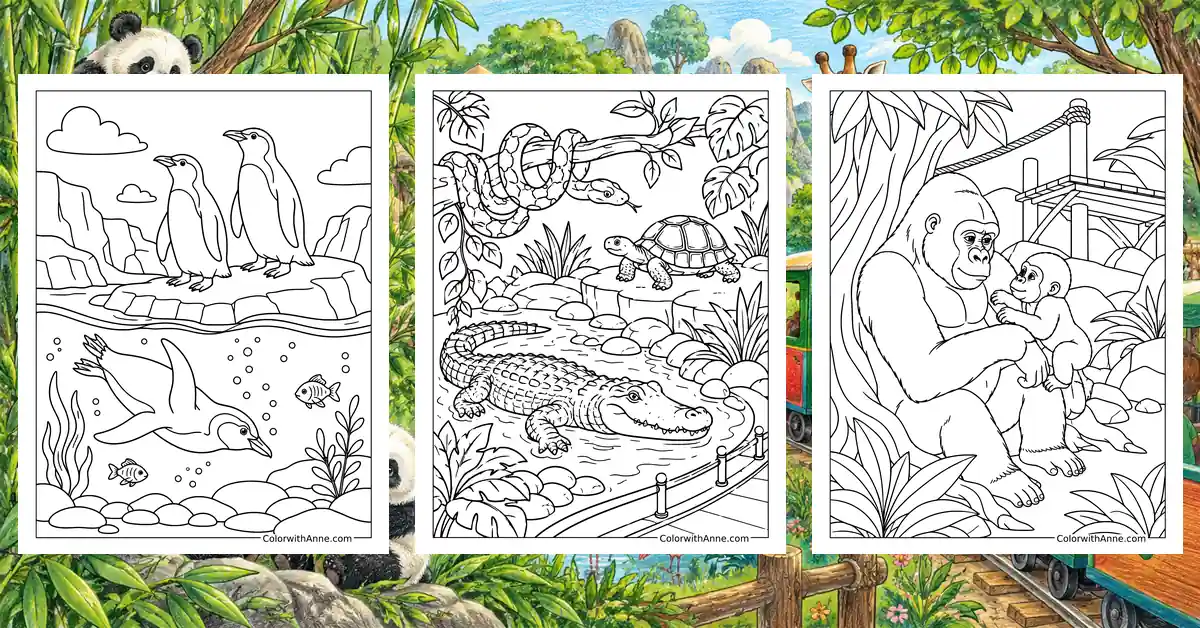
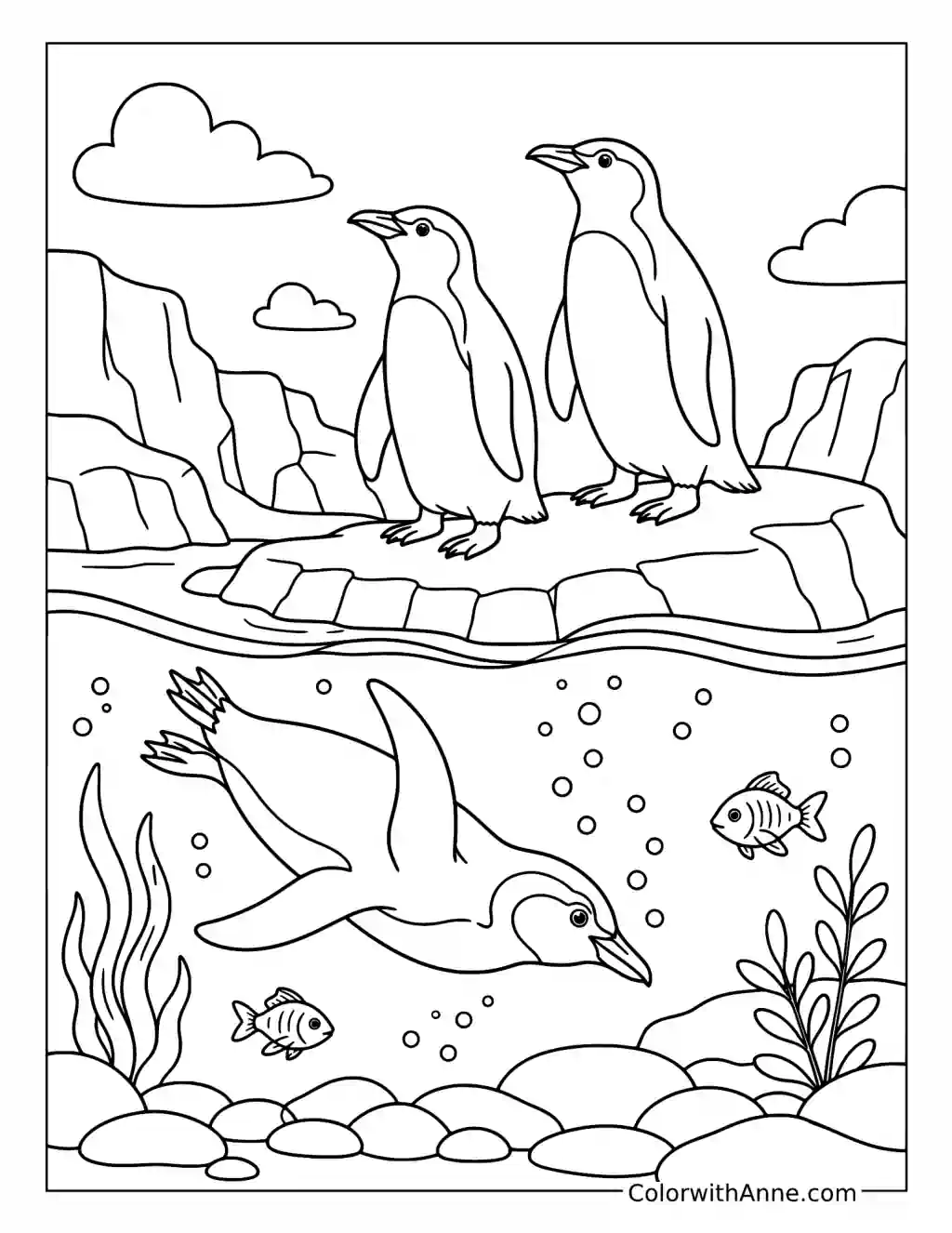
Some penguins stand above the water while another swims below it. The split view makes this page especially interesting: the same pool holds two quite different scenes, depending on where the visitor is looking.
Black-and-white penguins would stand out against pale blue ice and deeper blue water. A little gray on the rocks could keep the upper half from looking completely white.
At an aquarium or zoo with an underwater window, this is a useful picture to remember. Watch one penguin above the surface, then try to follow it underwater. Notice how its posture changes. Even without a visit, a swimming video can make the contrast between those upright and streamlined shapes wonderfully clear.
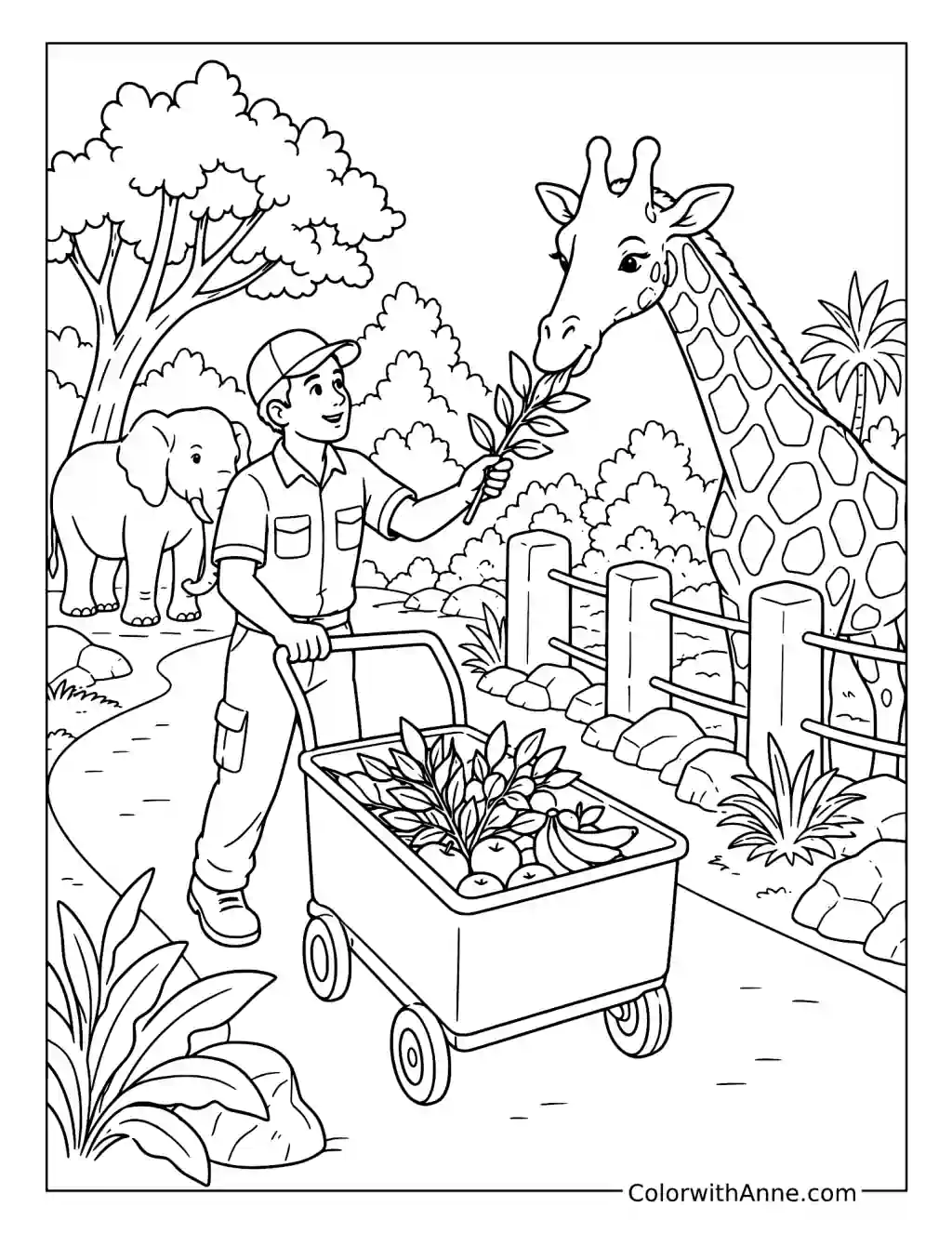
Prepare the Keeper’s Feeding Round
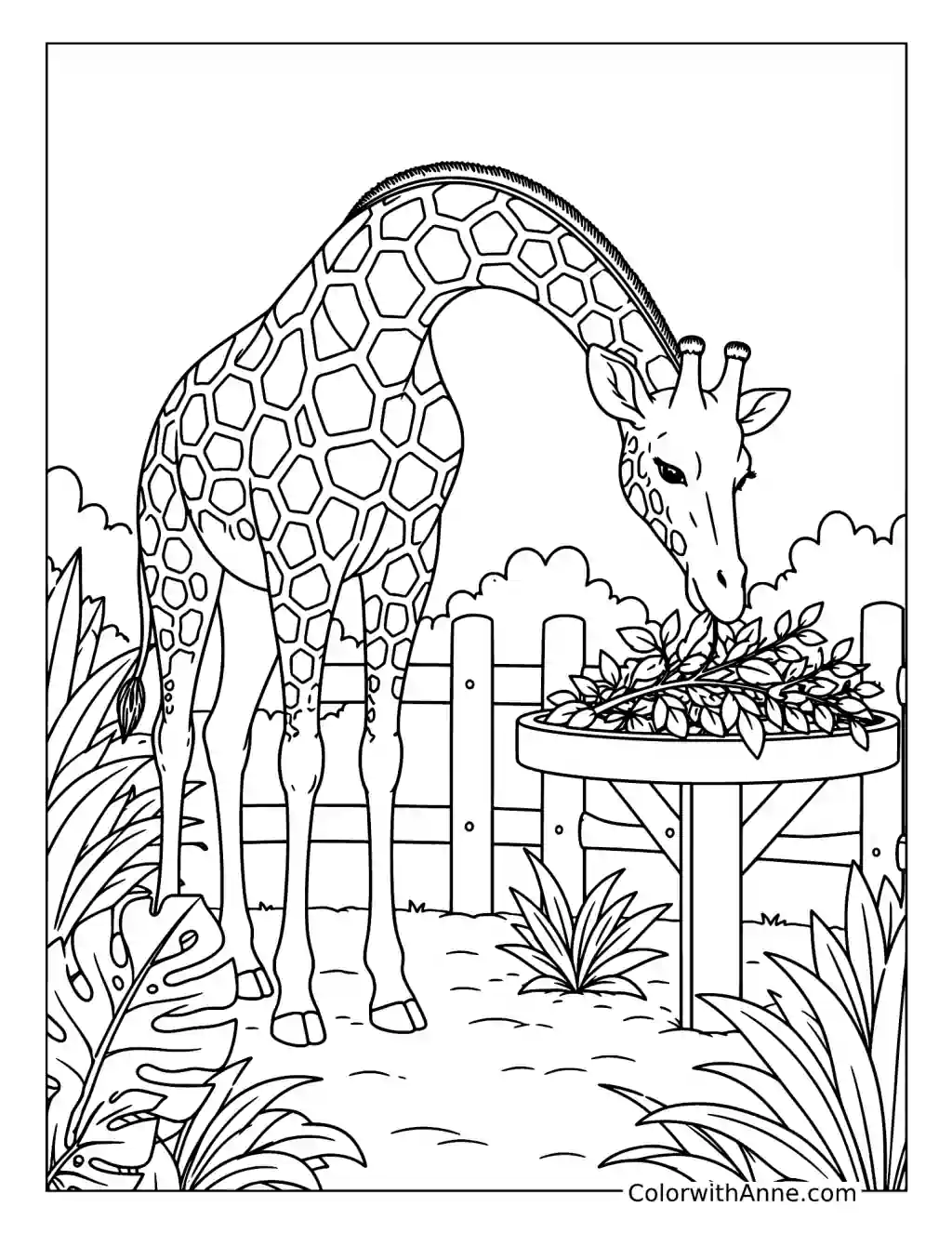
The keeper offers food to a giraffe beside a cart filled with produce. The long neck reaches down toward the hand, turning an ordinary feeding task into an encounter on two very different scales.
A sandy coat with warm brown patches would suit the giraffe. Green produce and a practical blue or green cart could complete the scene without competing with the animal.
Children who enjoy caring for toy animals can use this as the beginning of a keeper game. Arrange separate food stations and decide which toy goes where, using an animal book to check uncertain choices. The keeper’s job becomes matching the food to the animal, rather than handing every creature the same imaginary bowl.