
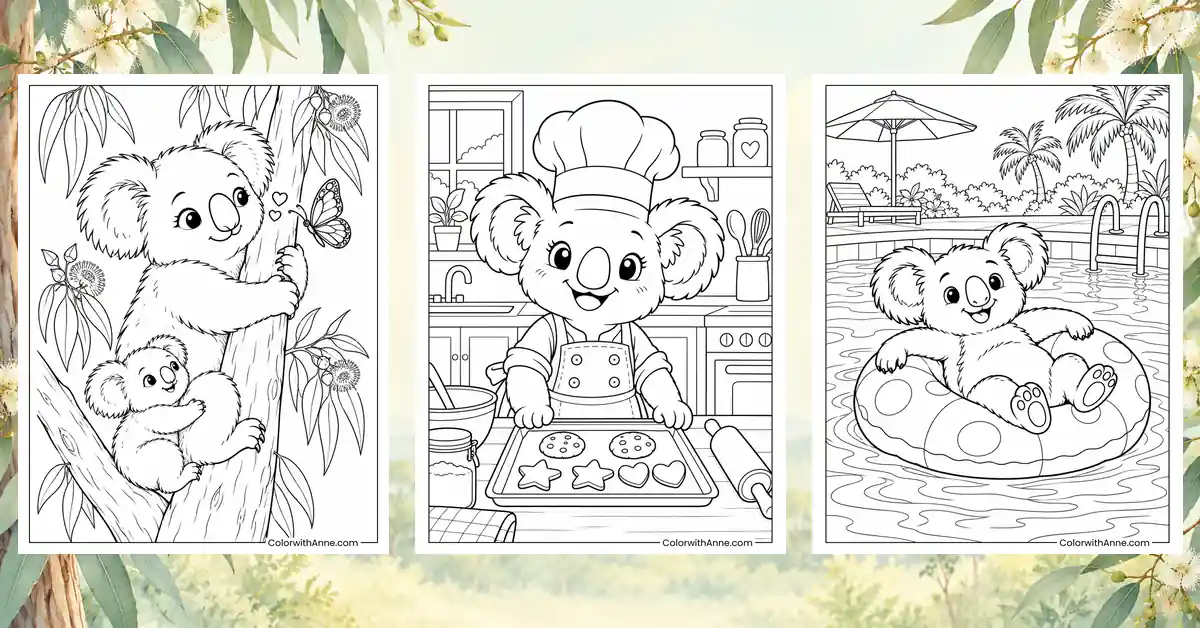
A much-loved koala toy may have one ear flattened and a nose polished by years of being carried around. Those small signs of wear can make it harder to put away than something new. The familiar shape has become tied to a particular stretch of childhood.
Koala coloring pages can appeal to that same fondness, whether it began with a toy, a book, or a glimpse of the real animal. The wide ears and broad nose are quickly recognizable, but the attachment is often more personal than that. A grown-up may remember the toy's name long after forgetting where it was bought.
Free Printable Koala Coloring Pages
Click any coloring page below to open the PDF, then print on US Letter or A4 paper.
Did you find what you needed?
Help us choose what to create or improve next.
Coloring Ideas for Koala Pages
Try these creative ideas to make the most of your coloring sheets.
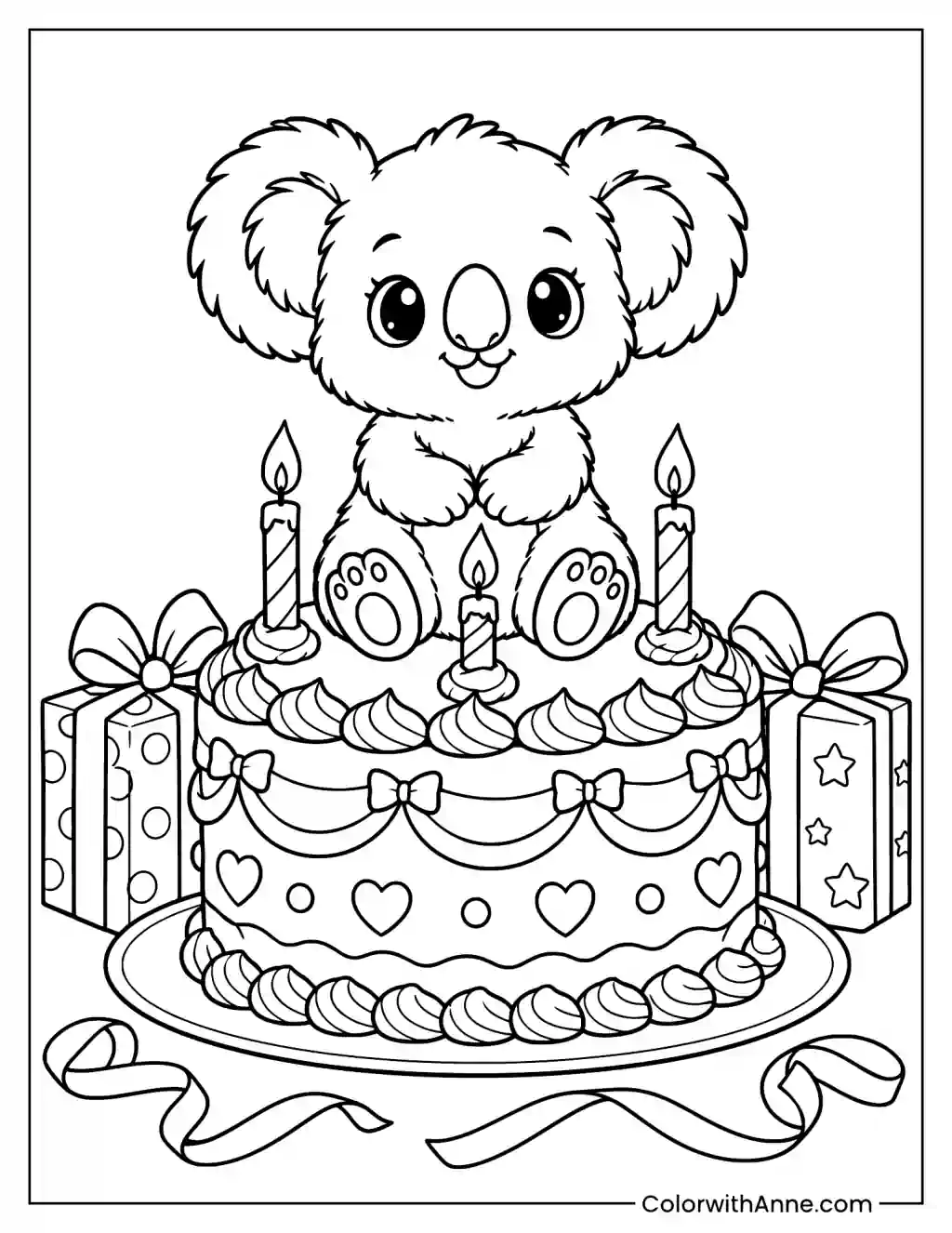
Keep the Ears Fluffy and the Nose Smooth
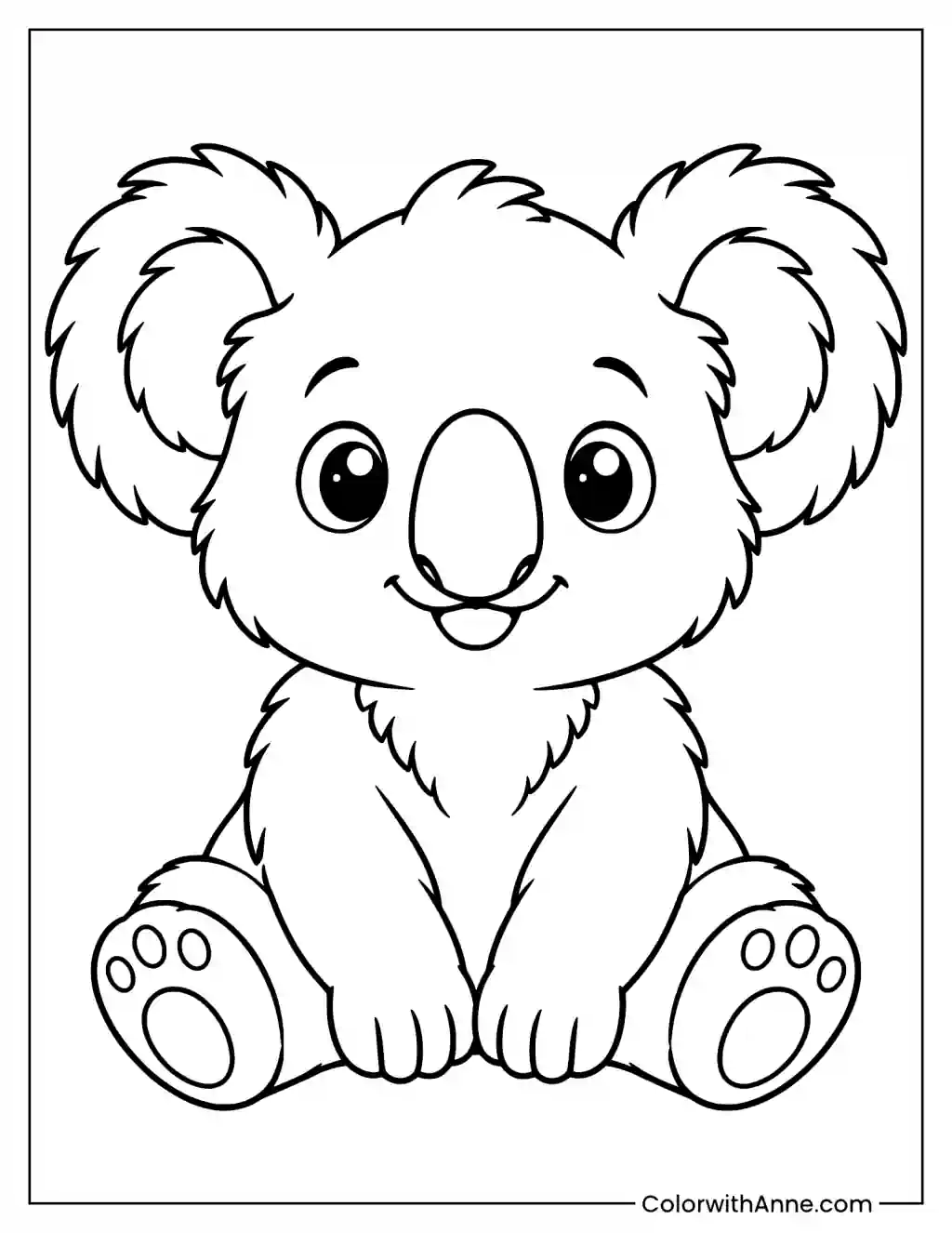
Try a soft gray koala with pale cream inside the ears and a dark gray nose. The large ears have plenty of room for small, loose marks between their jagged outer lines.
Use short crayon strokes around the fluffy ear edges, following the direction of the little points already printed there. The middle of each ear can stay lighter, with a few loose marks reaching into it from the rim.
Keep the nose in one smooth patch beside that broken texture. The same choice works on the feet: their oval pads can stay smooth while a few short strokes finish the fur around them. Stop before every white space has been filled, keeping those gaps between the marks.
Try Two Icing Ideas on Each Biscuit Shape
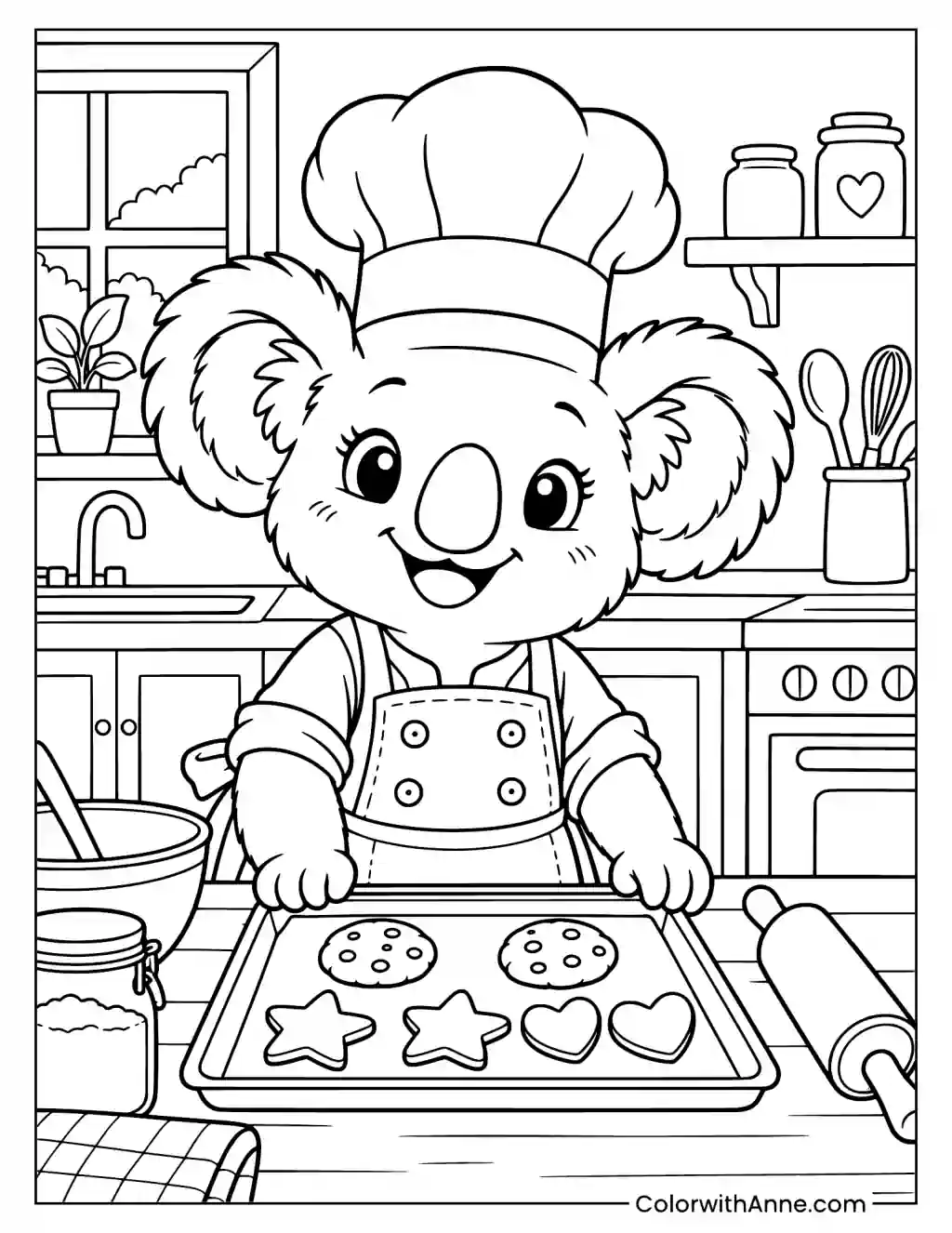
There are six biscuits on the tray: two round ones, two stars, and two hearts. Those pairs make a useful little test sheet, since each shape can try two different finishes.
Keep the biscuits golden with pink and white icing. On one star, you could draw a pink border; on the other, fill the middle and leave its points plain.
Give the hearts the same two choices, then use white around the dots on one round biscuit and pink around those on its partner. Compare each pair before choosing a favorite finish. A small mark beside the chosen biscuit can keep the decision clear when several people have different favorites on the tray.
Catch a Little Color on the Bubble Edges
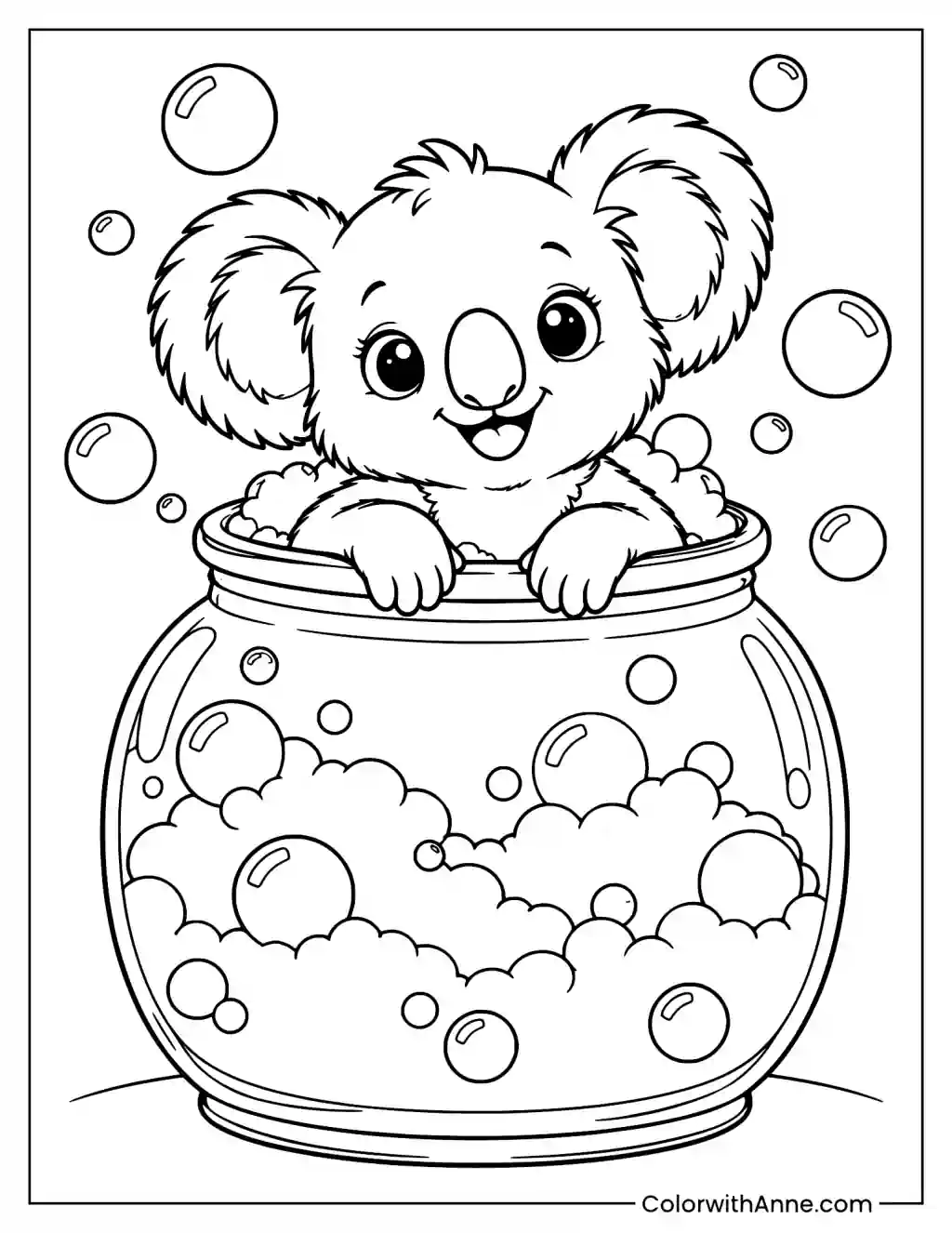
A soap bubble sometimes catches a brief edge of color before it disappears. If one lingers in a washing-up bowl, notice whether that color follows the whole circle or only a little of its edge.
Try pale pink, blue, and yellow arcs around a few of the large bubbles on this page, leaving their middles white. A gray koala and a pale blue jar will keep those delicate edges visible.
Before doing every circle, try one nearly complete colored rim and another with just two short arcs. Compare them with an uncolored bubble. Choose how much of the edge to leave open, then repeat that choice on the larger circles while keeping the smallest ones simple.
Make a Small Rainstorm at the Table
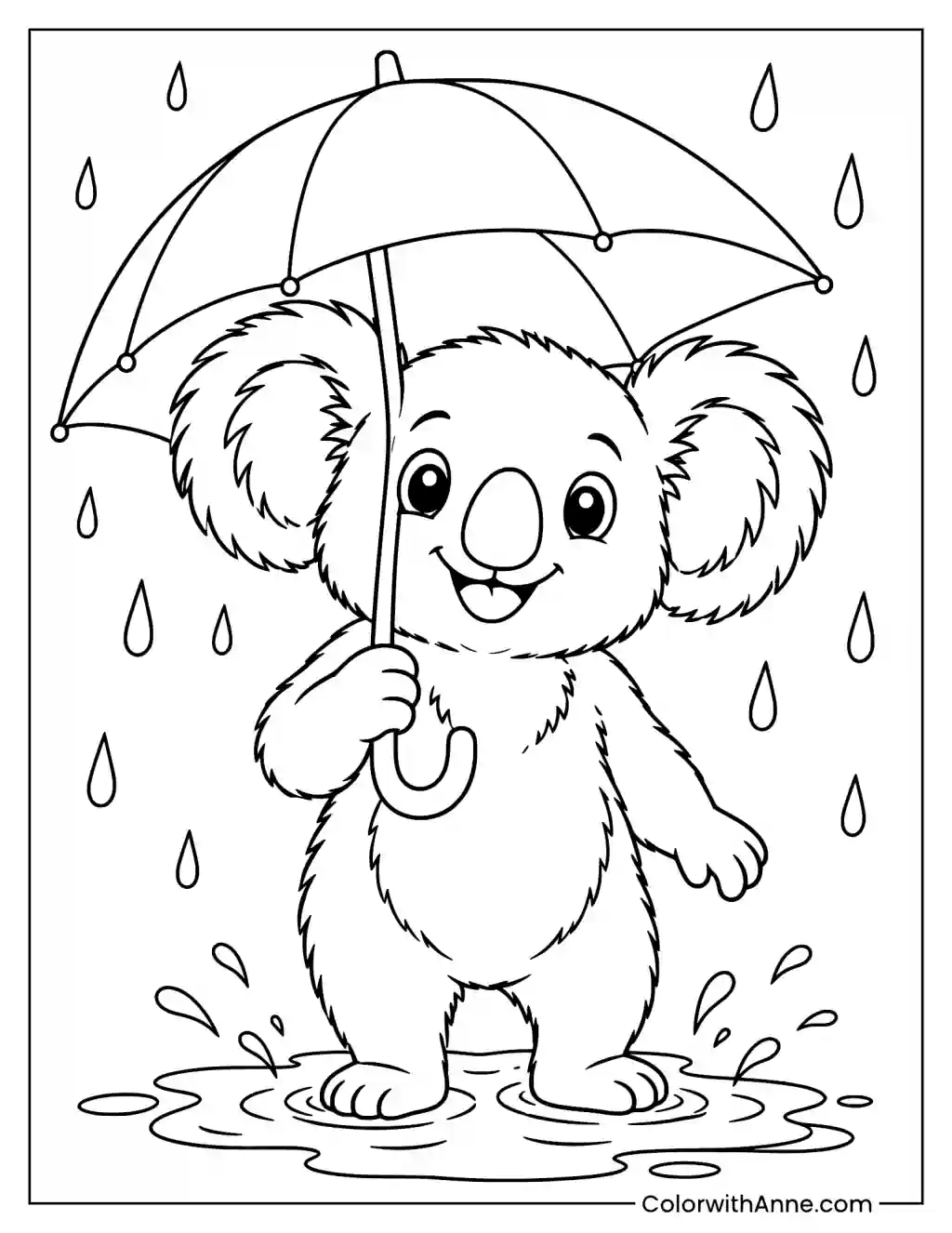
The drops and splashes around this umbrella can have a little sound to go with them. Try rubbing your palms together for a quiet beginning, then tapping your fingertips on the table as the imaginary rain gets heavier.
A yellow umbrella above a gray koala and blue puddles would suit this wet afternoon. Keep a few drops pale so they remain clear around the umbrella's edge.
Let someone point to the falling drops while the fingertip tapping continues. When they point at the puddle, change to a few gentle taps with flat fingers for the splashes. Finish by returning to the soft rubbing sound, then stopping altogether, as though the shower has passed over the table.
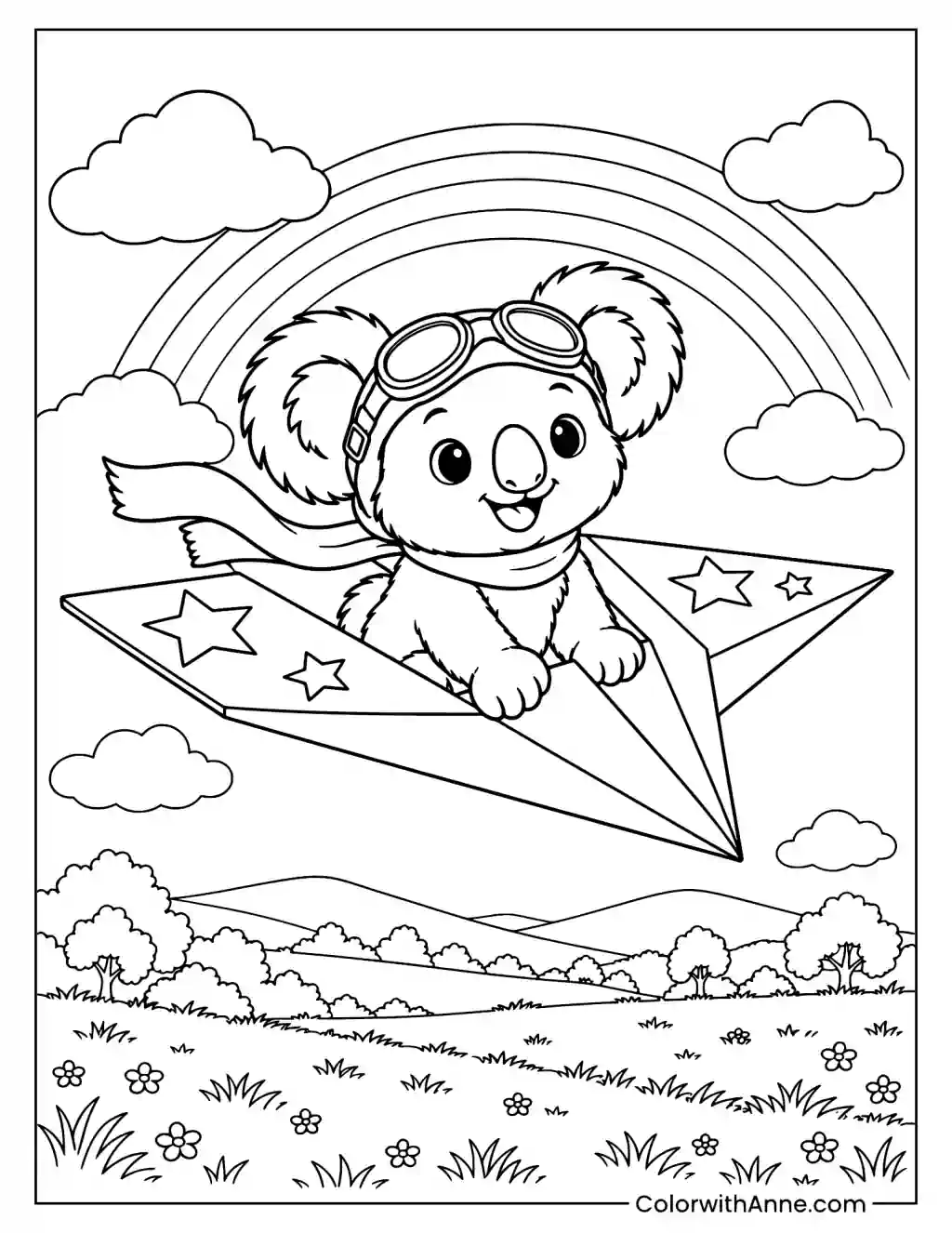
Fold a Paper Plane to Match the Koala's Ride
The koala's ride has broad folded wings with stars on them. A paper plane you already know how to fold can borrow that decoration, with the picture beside it as a guide.
Try a pale blue plane with yellow stars and a red scarf on the koala. Keep the goggles on its head a darker blue, above the smiling face.
Fold a separate sheet first, then open the wings just enough to place a star on each broad panel. Close the folds again and compare the model with the drawing. Its new stars should be easy to see from above. Send it on a short flight across a clear floor, then check whether the wing folds stayed in place.