
Two pointed ears and a generous sweep of tail can turn a plain cushion into a fox cushion. The animal lends itself to a bold little silhouette, which helps explain why it keeps appearing on fabric, mugs, and the occasional pair of socks.
Fox coloring pages draw on that fondness for a shape that looks alert even when it is sitting still. Some people like the woodland association; others simply enjoy that sharp face above a soft-looking tail. A small fox motif can give a useful everyday object an expression of its own.
Free Printable Fox Coloring Pages
Click any coloring page below to open the PDF, then print on US Letter or A4 paper.
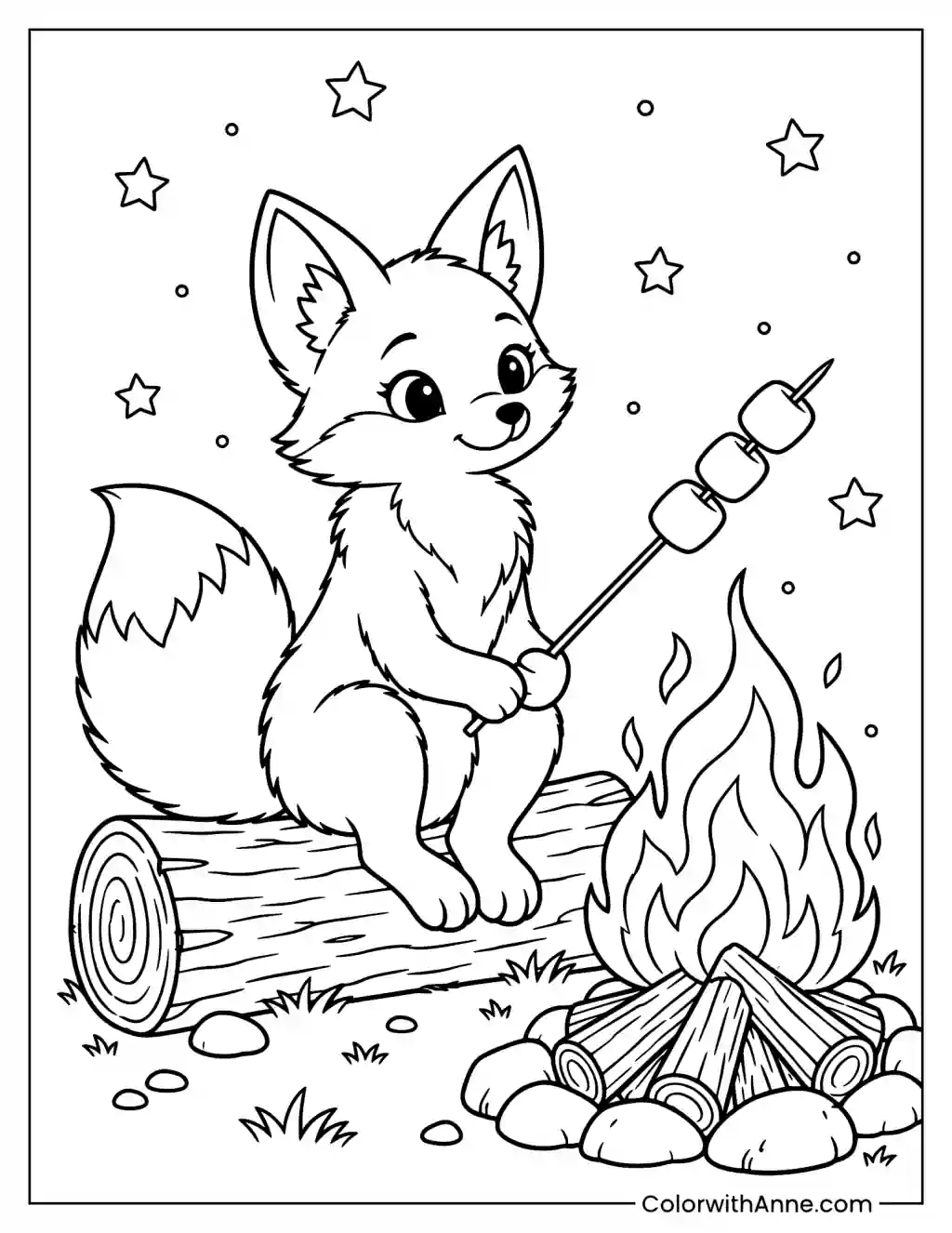
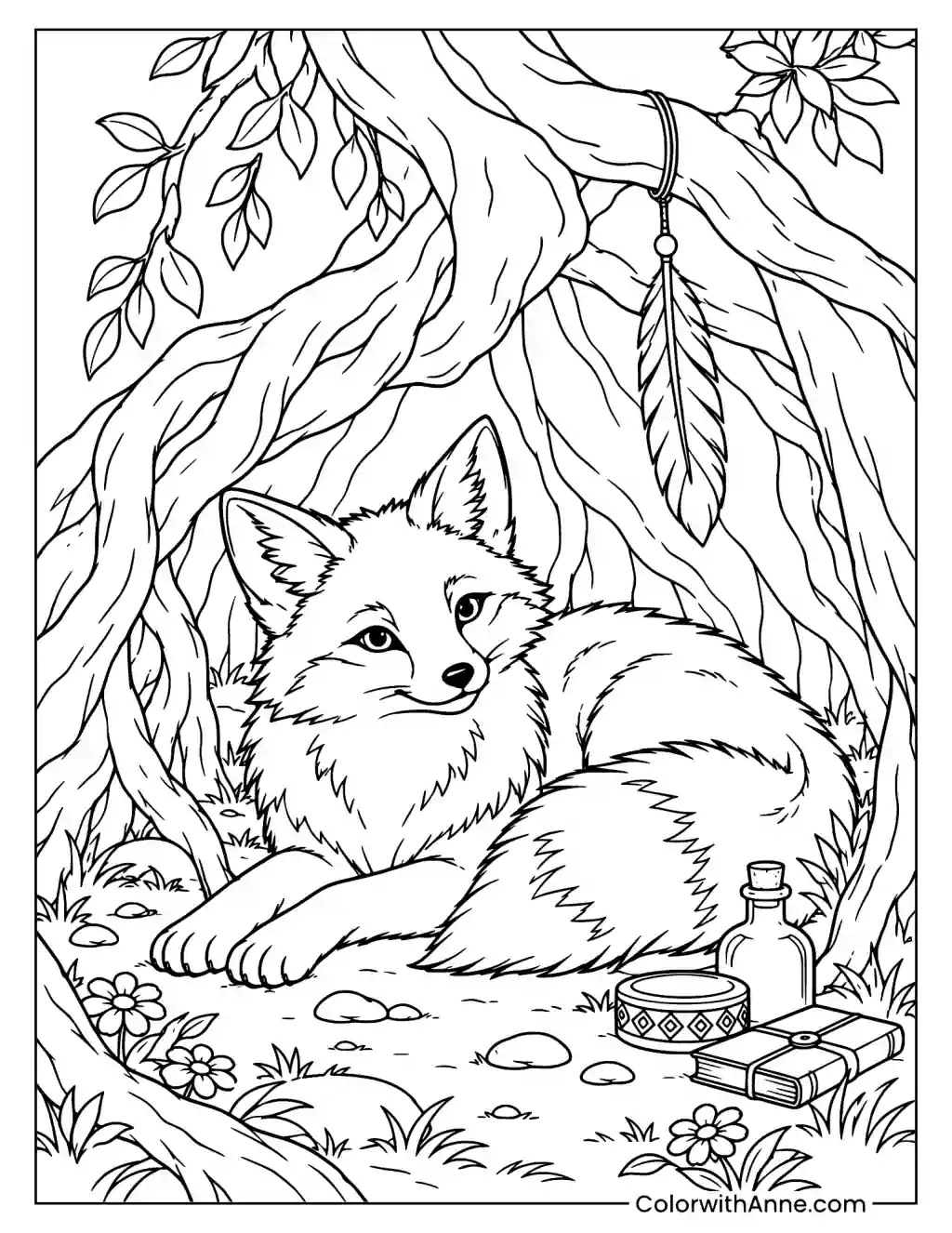
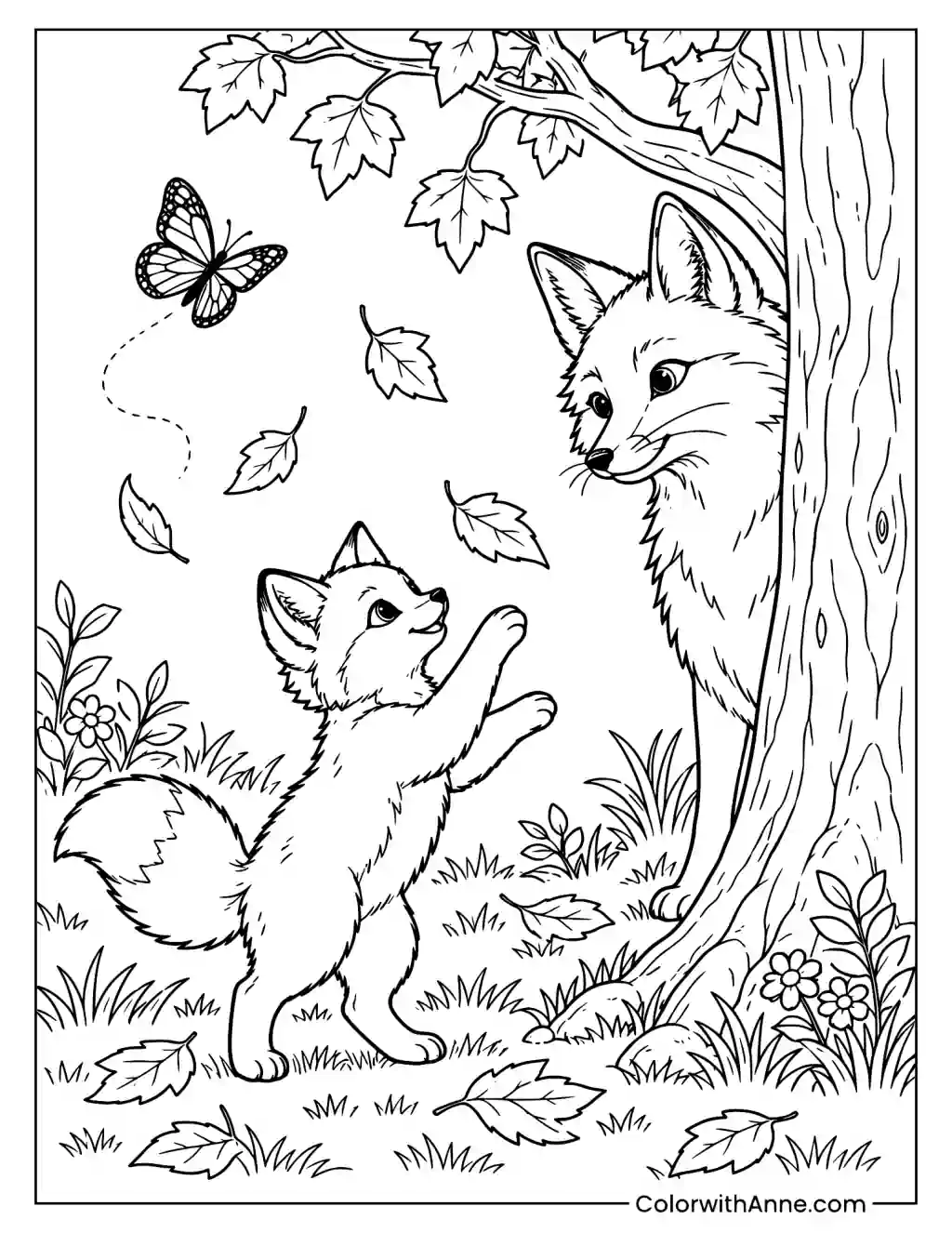
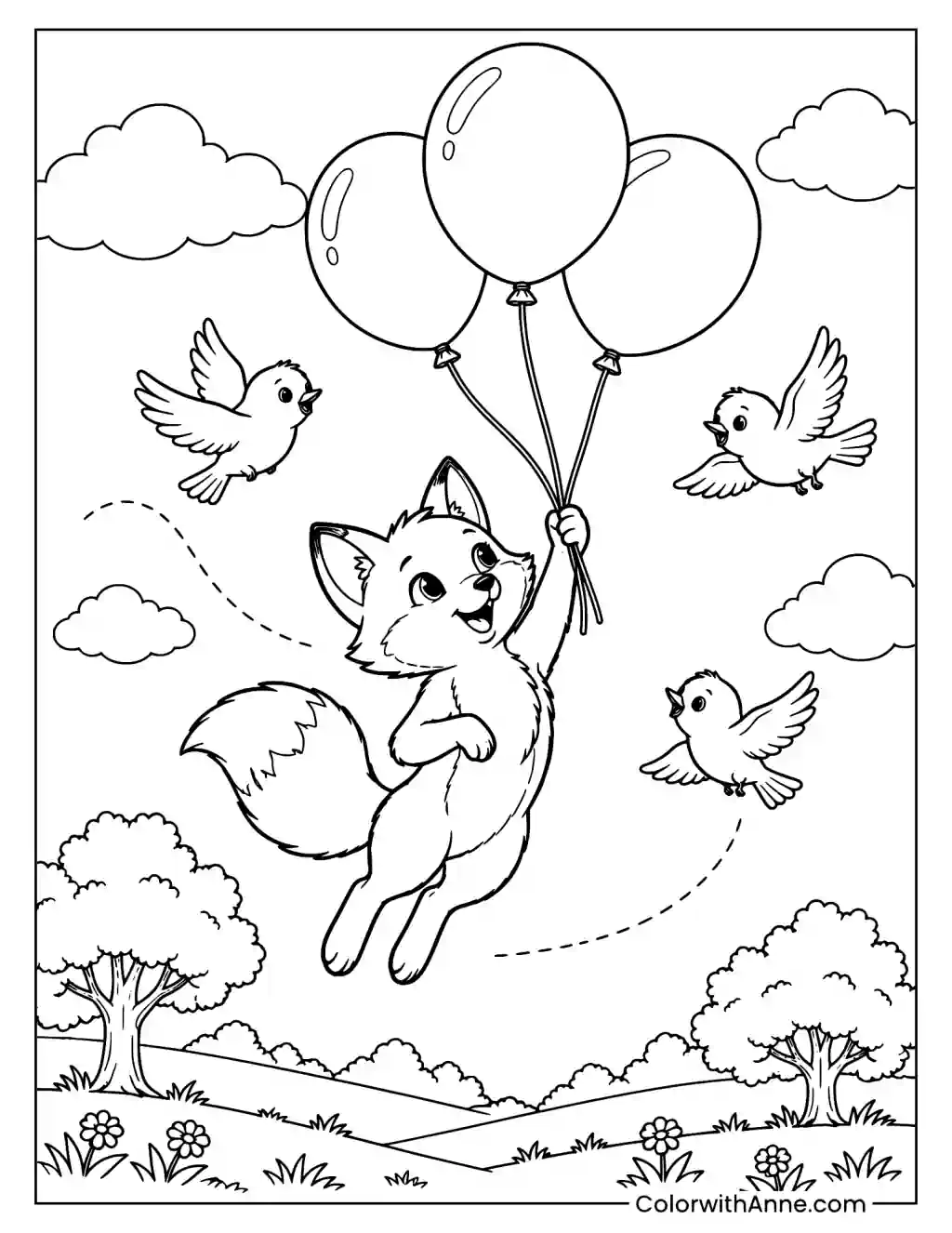
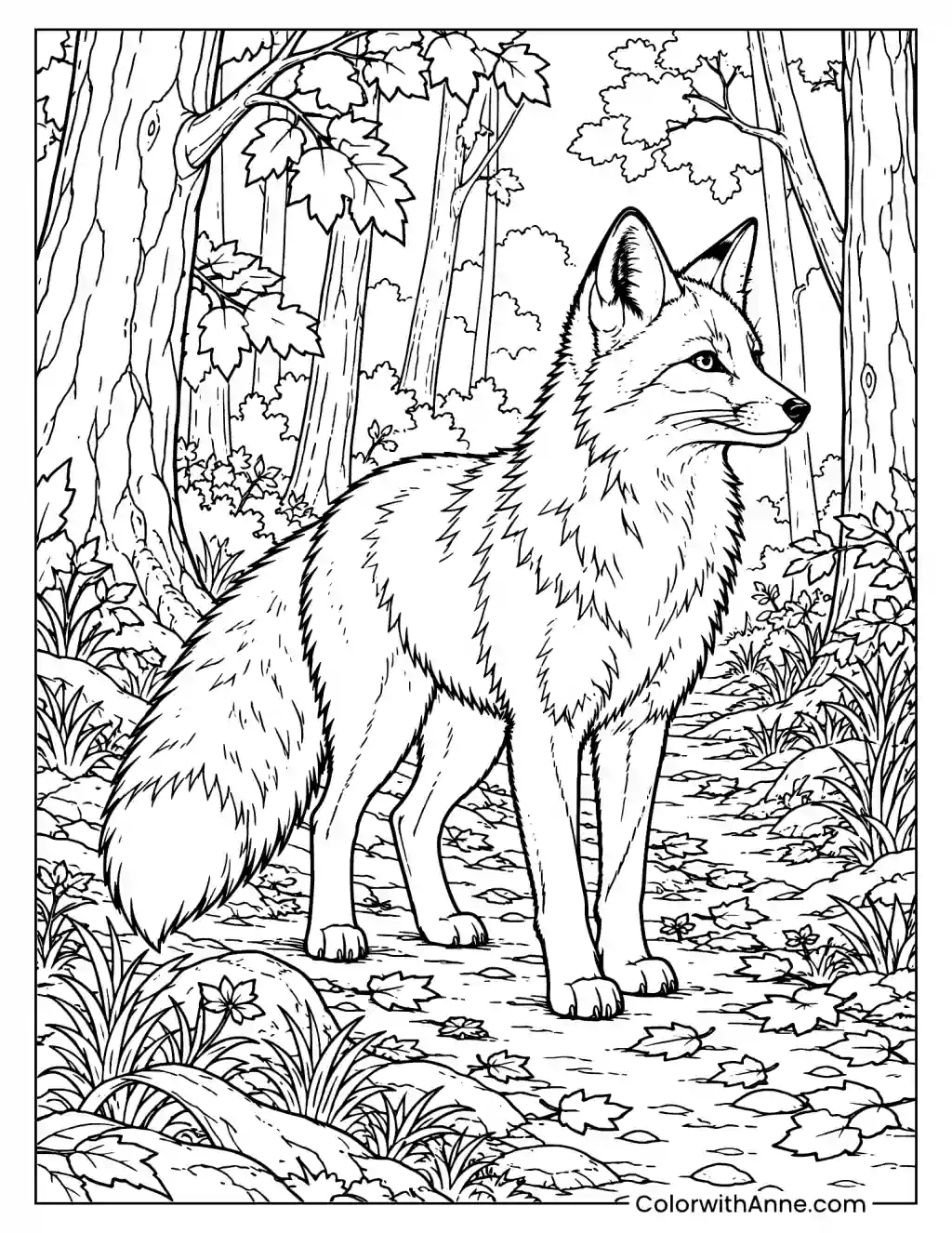
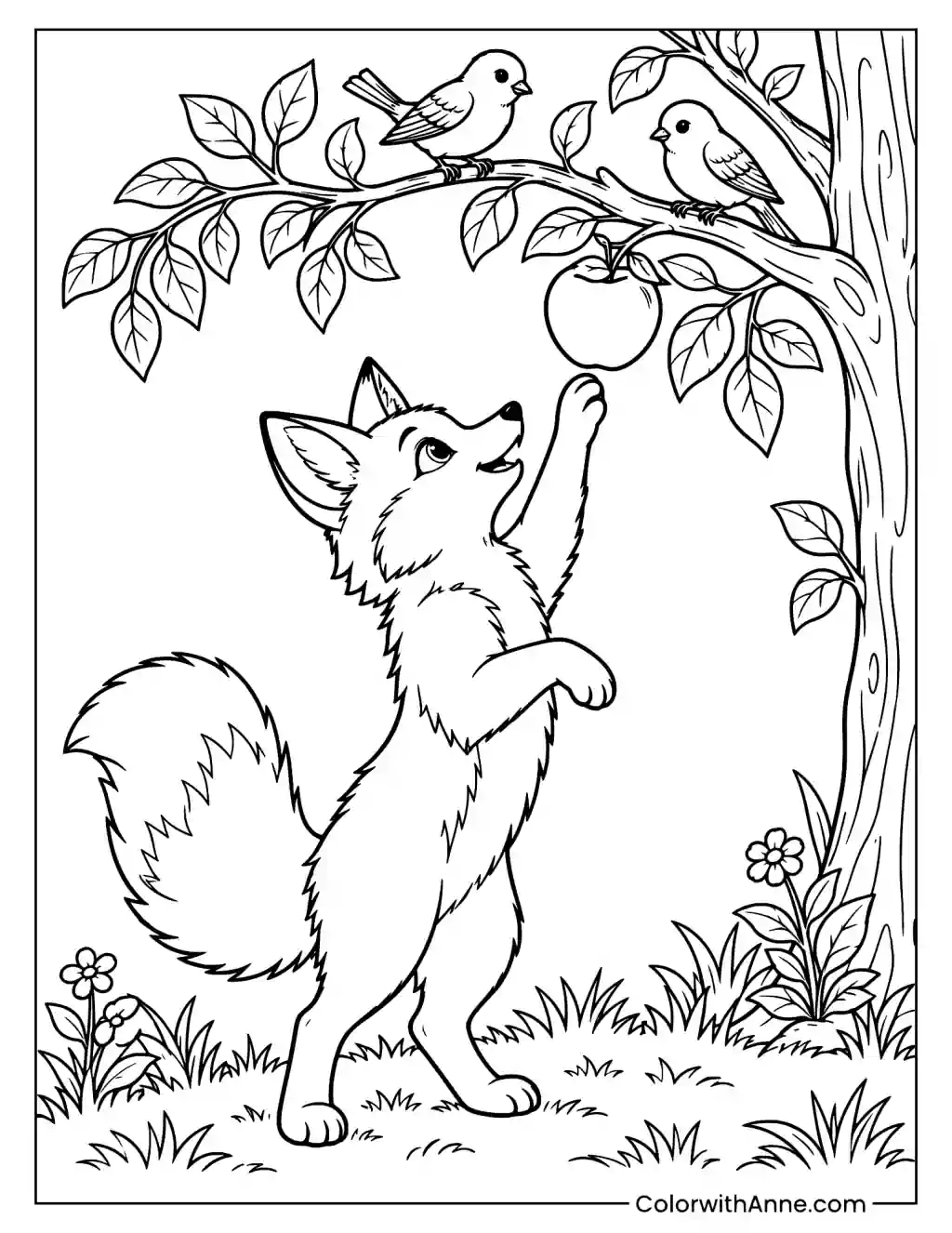
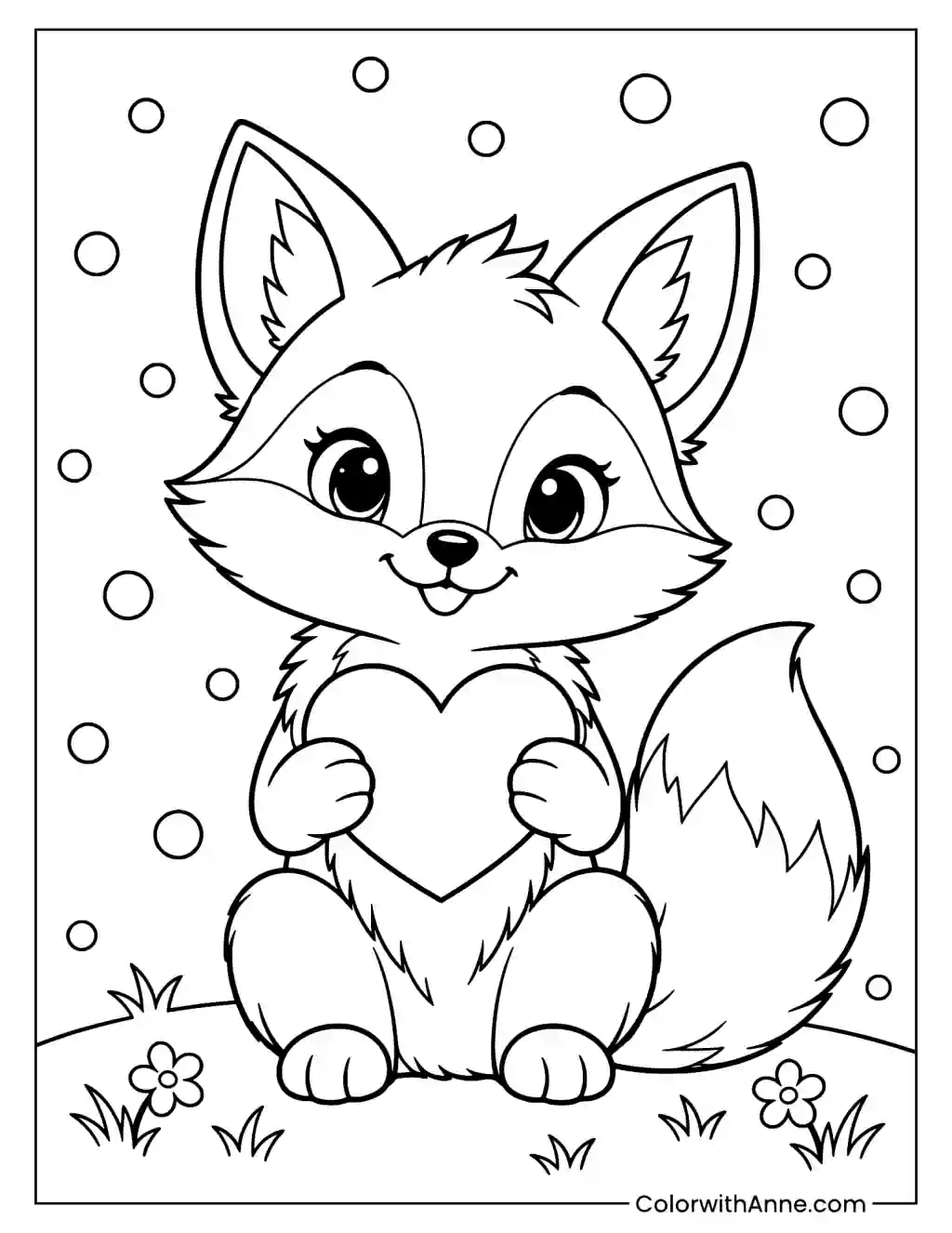
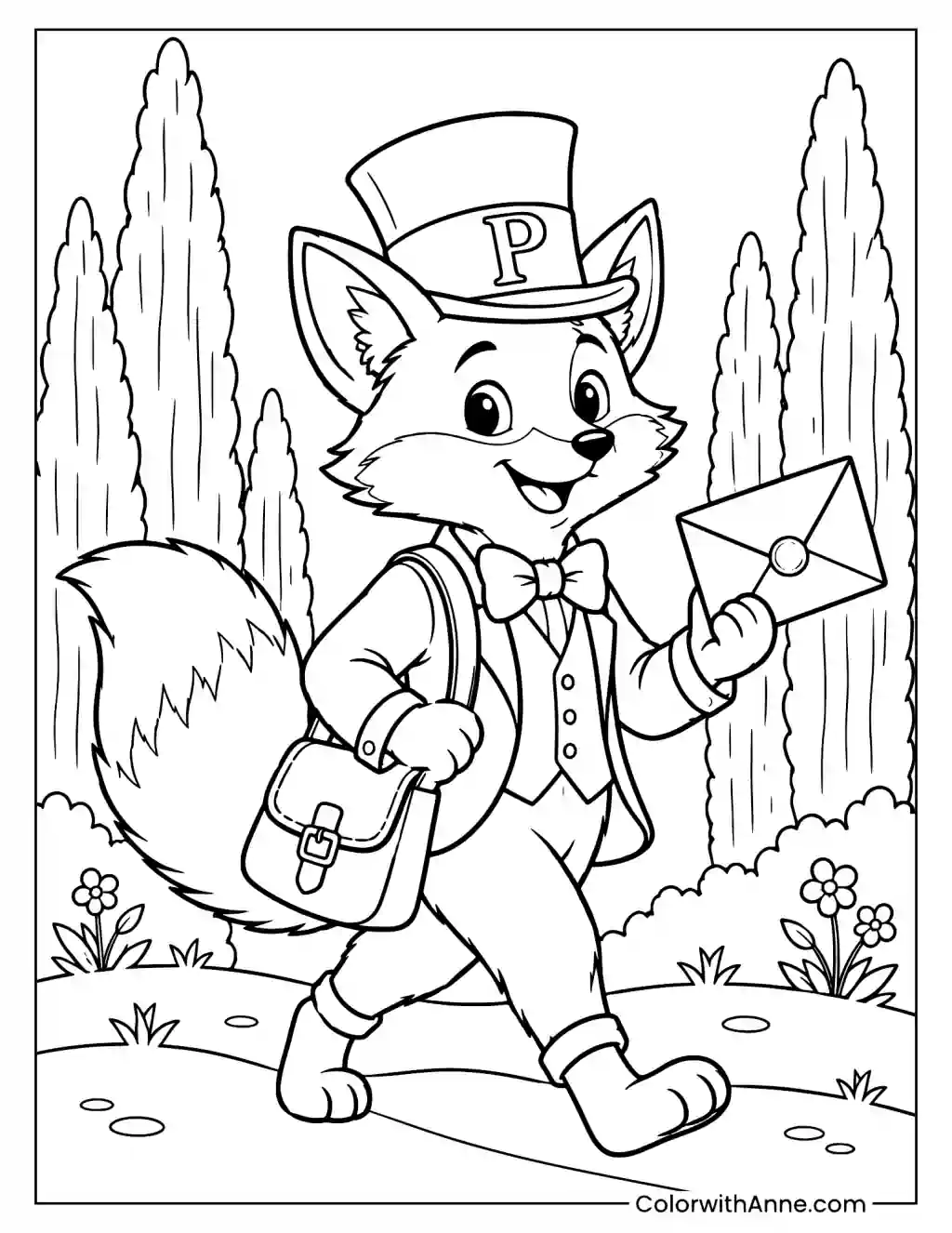
Did you find what you needed?
Help us choose what to create or improve next.
Coloring Ideas for Fox Pages
Try these creative ideas to make the most of your coloring sheets.
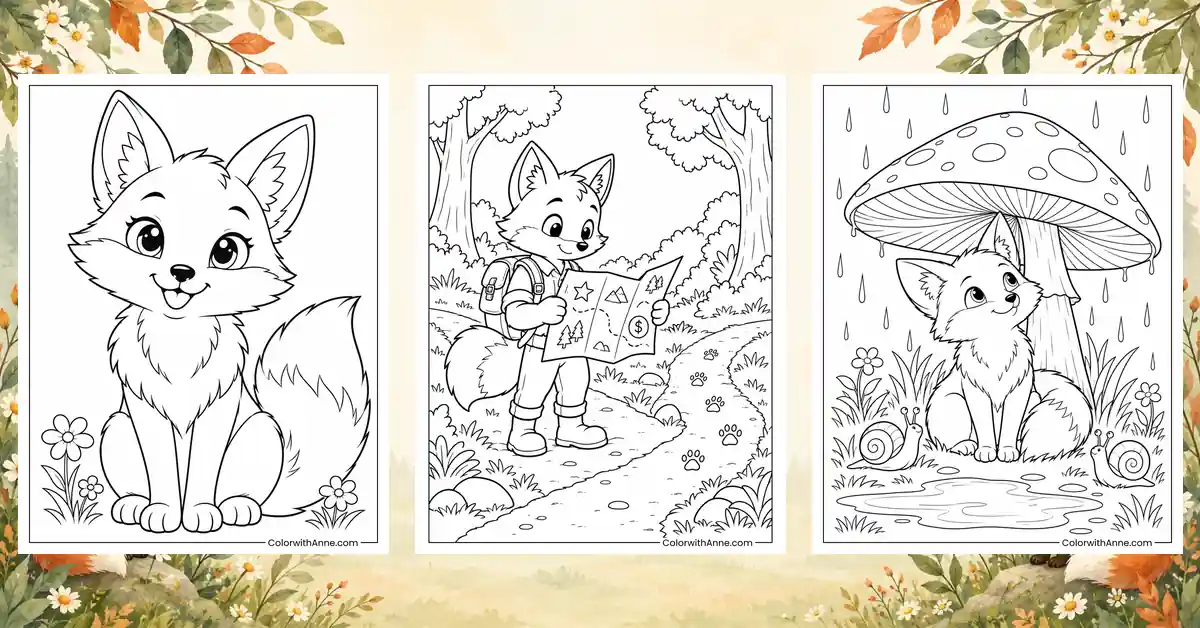
Let the Pale Cheeks Meet the Chest
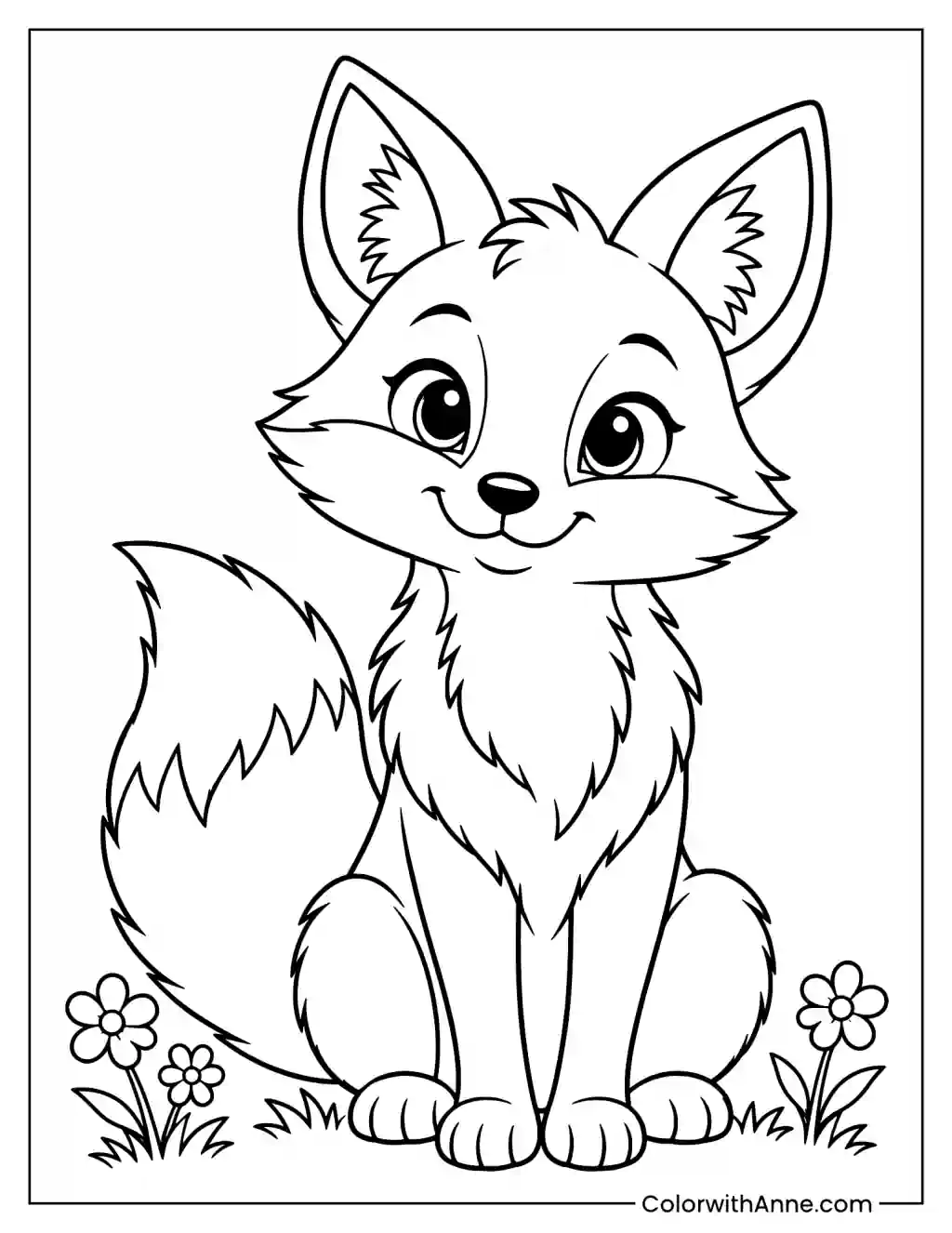
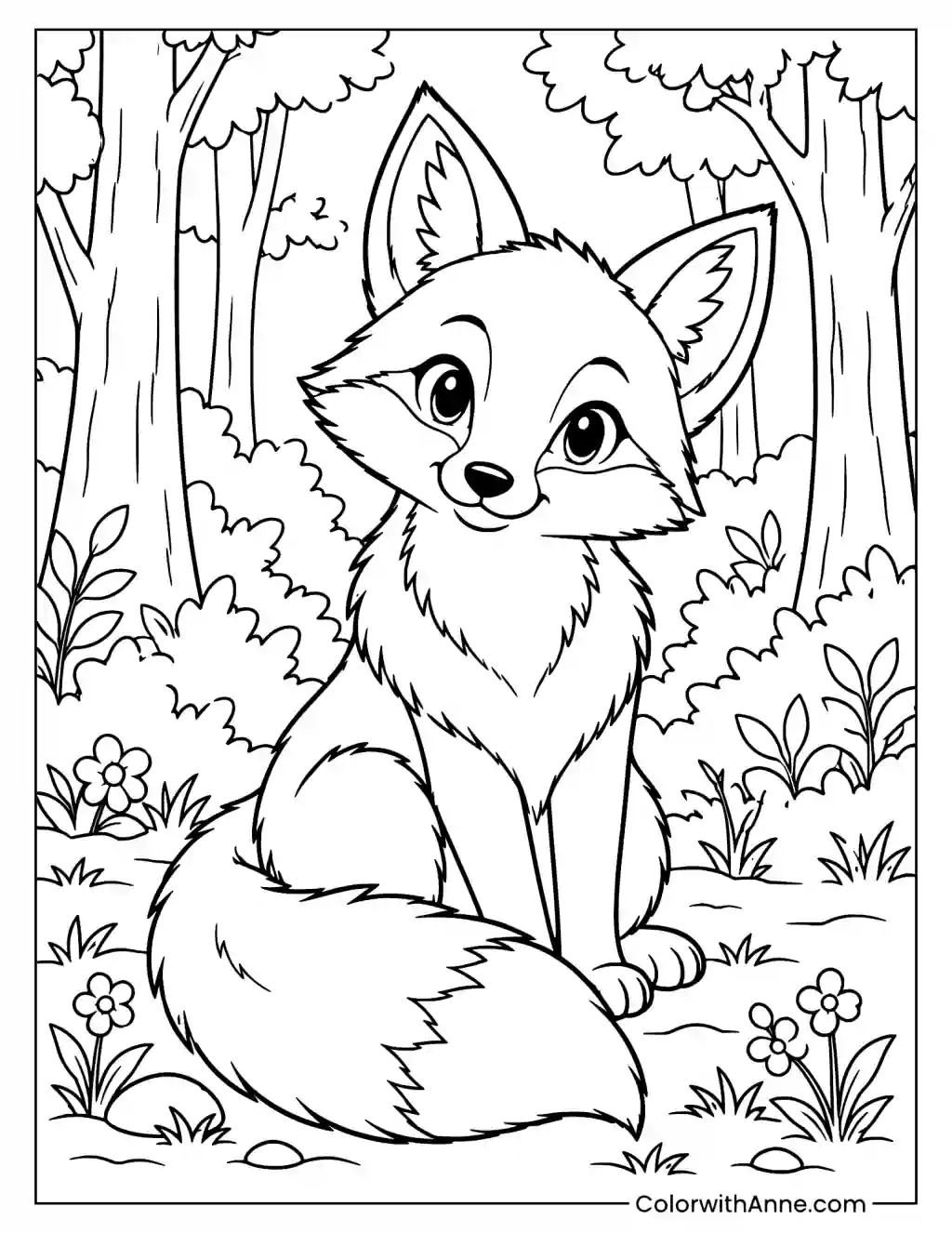
The broad cheek areas around this fox's muzzle can lead naturally into the pointed chest fur. Before filling the coat, follow those edges with a finger and decide where the lighter patch will continue below the chin.
An orange coat with cream cheeks, chest, and tail tip would make a familiar-looking fox. Keep the little nose dark so the face has a clear center.
Pause at the narrow place beneath the mouth. A few short marks following the printed fur points can soften the join between the cheek and chest areas. Finish one cheek before starting the other, then check the small spaces beside the mouth so the two pale areas connect below it.
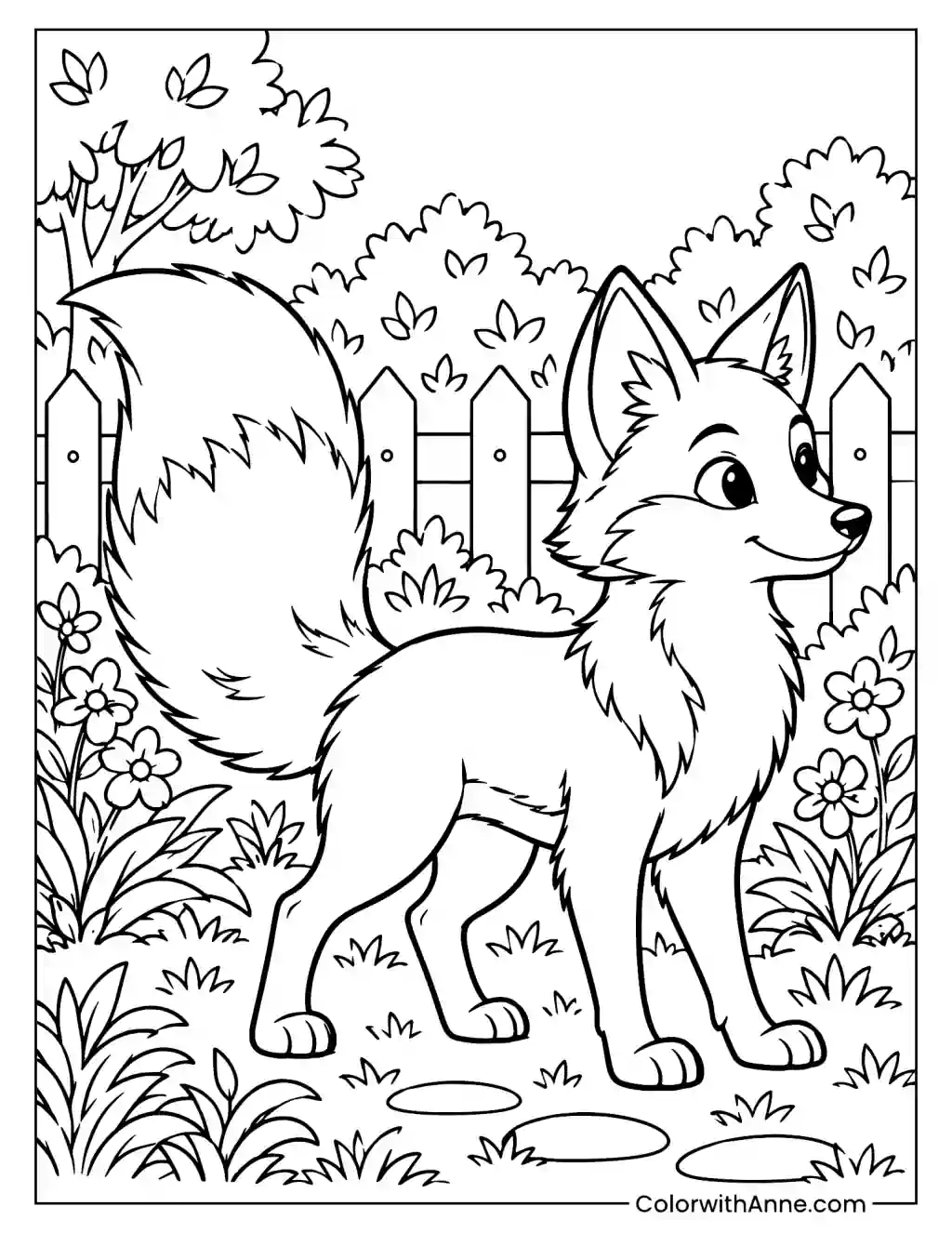
Try a Large Bow Beside a Small One
A coral head bow and a cream neck bow would suit a warm brown coat. The fox wears one large bow beside an ear and a smaller one at the neck, offering a useful comparison for a few ribbon scraps.
Form two loose ribbon bows, making one much wider than the other, and lay them beside their counterparts on the page. Compare the loops before deciding whether their sizes suit the drawing.
Shorten the loops of the larger one a little and look again. Decide how much of the ear should remain visible above it. The smaller bow can keep shorter tails, leaving the fluffy chest below it easy to see.
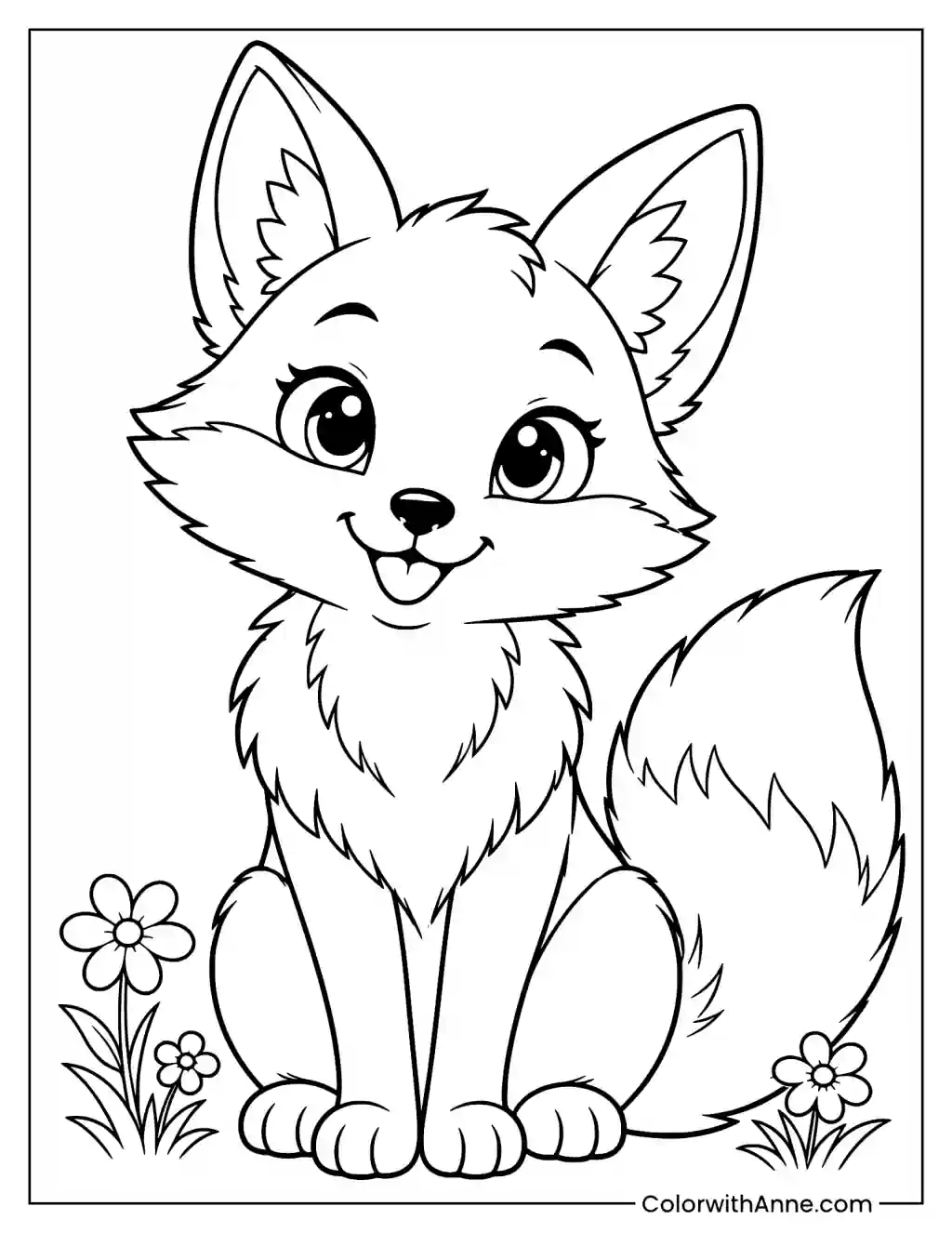
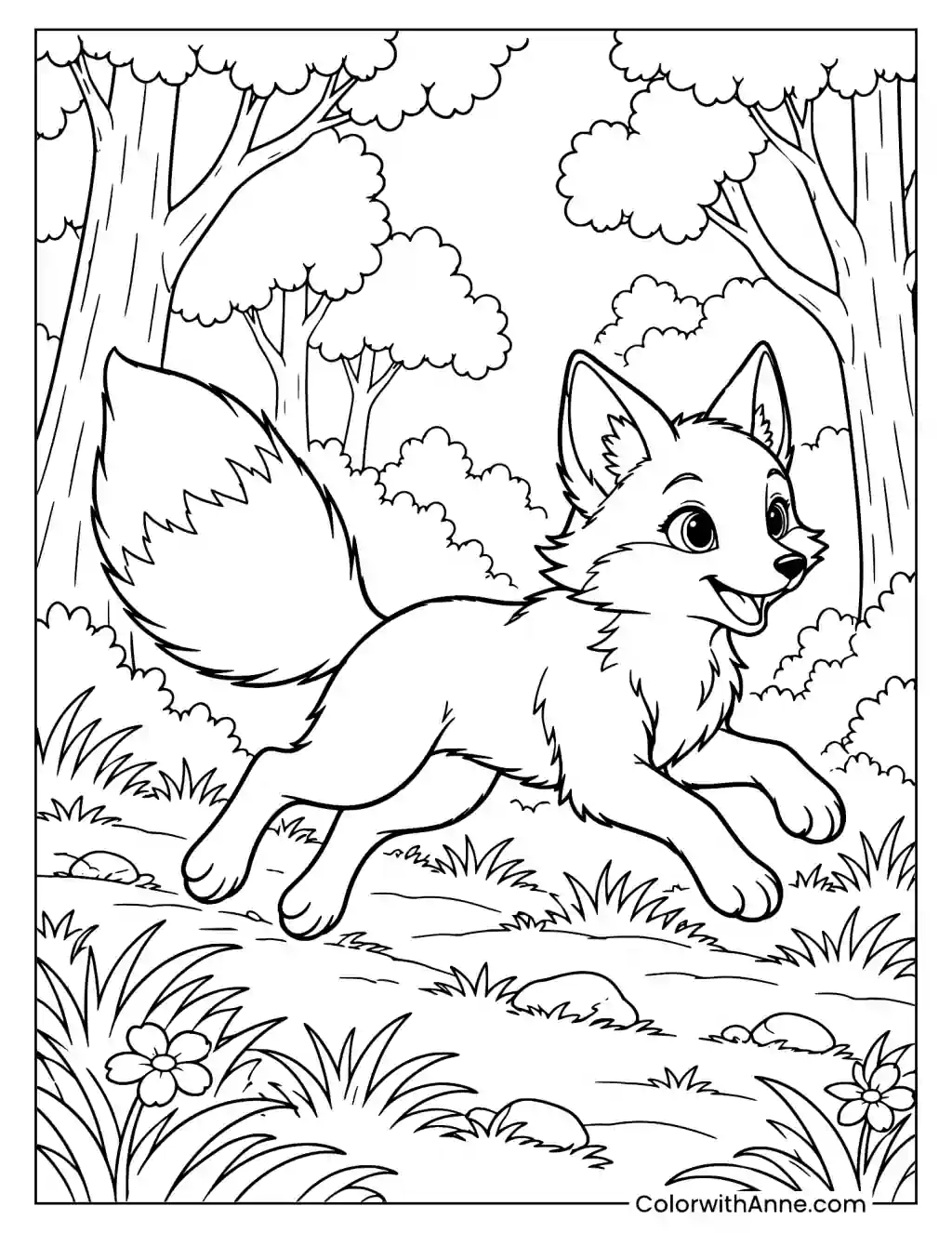
See What the Running Fox Keeps in Shadow
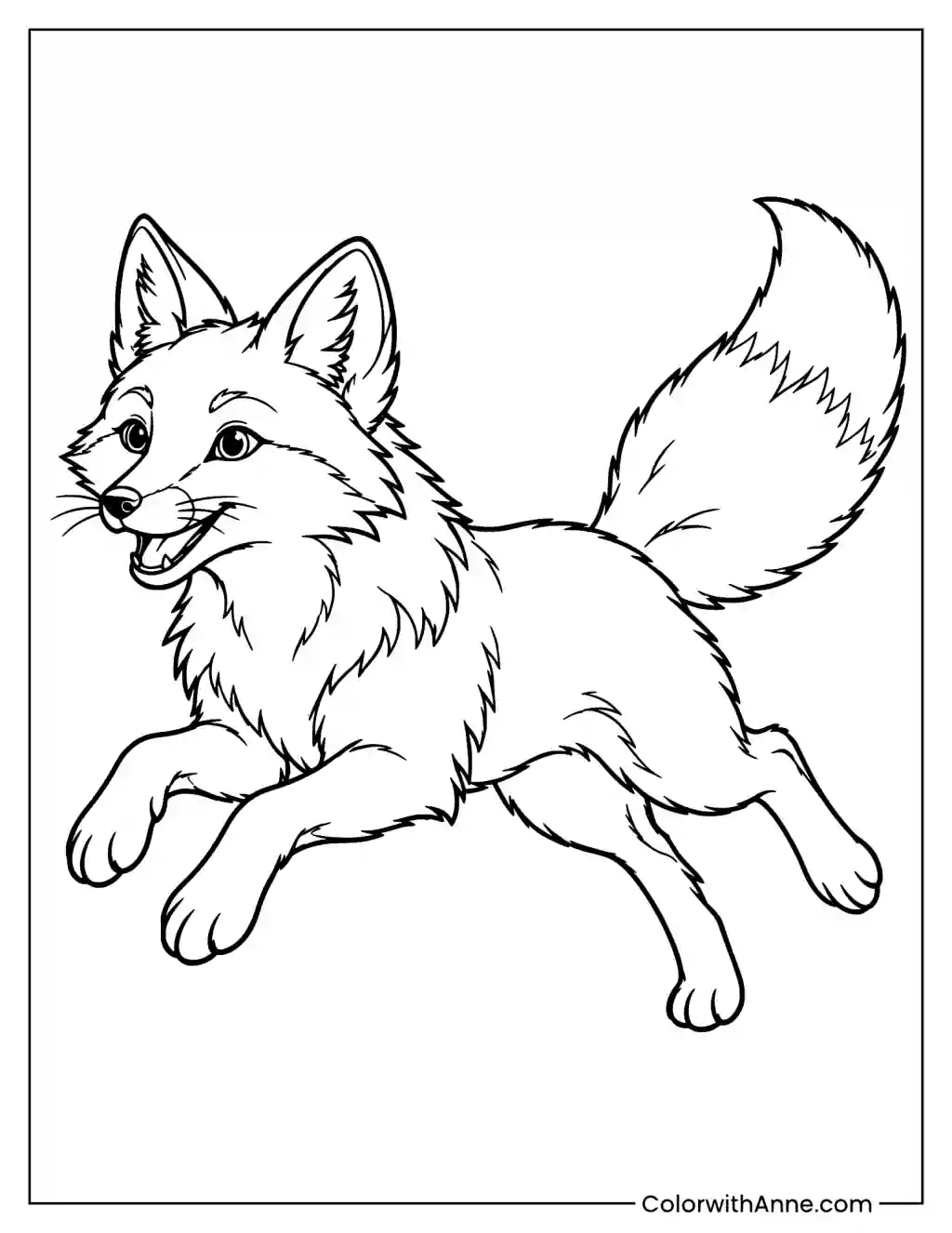
This running fox has a clear outline against an empty background, with its paws lifted and tail raised. A cutout can turn that shape into a little shadow without needing all the marks inside the coat.
Try a rusty coat with a pale chest on the colored copy. Cut around the fox with a generous margin, keeping the narrow legs connected to a wider strip of paper beneath them.
Attach a stick behind the body, then hold the fox between a flashlight and a wall. Move it closer to the light and watch the shadow grow. Tilt the stick slightly to change the leap while keeping that big tail visible.
Give the Two Foxes Different Lines to Say
One fox reaches toward a falling leaf while another peeks around the tree trunk. Their separate positions leave room for a short conversation that a reader could invent for them.
An amber coat for the reaching fox and a deeper russet coat for the other would keep them distinct. Let the first fox ask a question about the leaf, then decide whether the reply sounds curious, amused, or impatient.
Try the reply aloud before writing it in a small speech bubble. A short answer may leave more for the raised paw to explain. Read both parts again, then give the fox behind the trunk a different reply and see how the conversation changes.
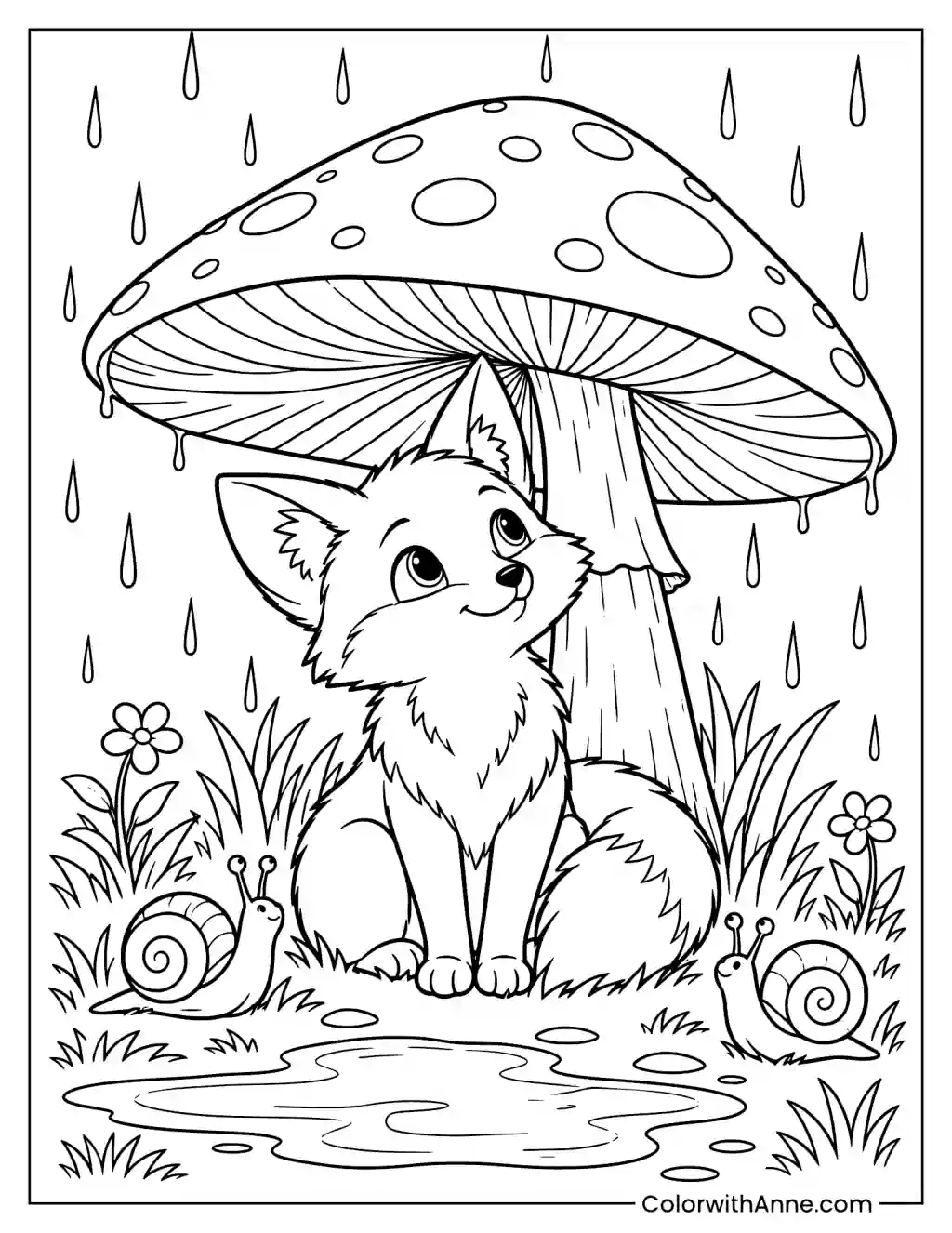
Let the Puddle Borrow a Little of the Mushroom
The puddle under the mushroom leaves room to borrow something from a rainy view at home. If water gathers where it can be seen through a window, look for a reflected color before deciding how to finish the page.
Try a red mushroom cap over pale blue water. You could echo the cap with a few short red curves inside the puddle, keeping clear gaps between them.
Watch what happens to the real reflection when another drop reaches it. Bring one broken edge or uneven patch into the drawing instead of trying to copy the whole view. Leave the snails and fox distinct from those loose water marks.
Make a Pattern Match for the Basket
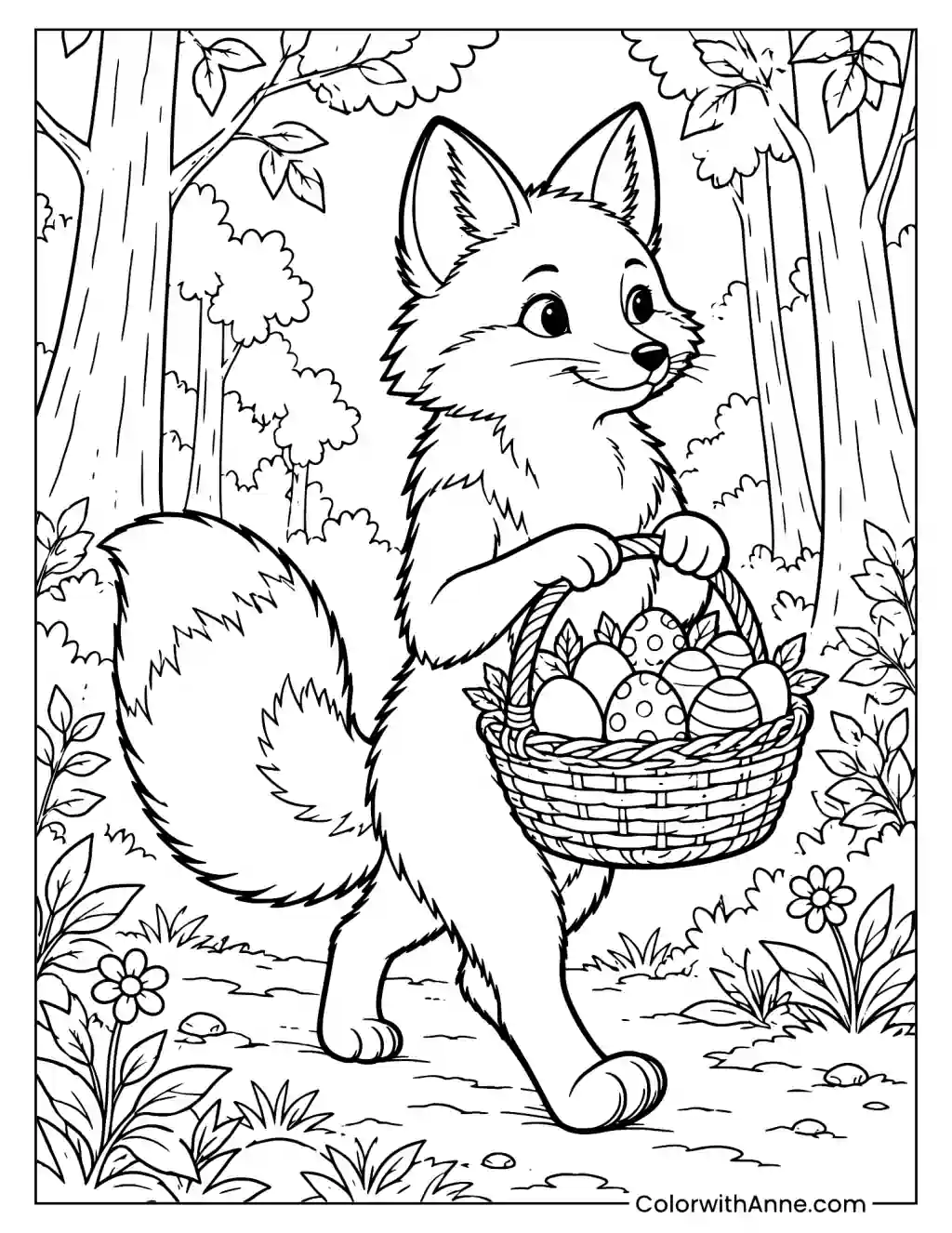
The fox's basket contains decorated egg shapes that can start a small matching game. Pick one visible pattern from the basket and copy it onto two paper ovals beside the page.
A golden basket and a reddish coat would suit eggs in blue, pink, and yellow. Make two more pairs with different patterns, keeping each pair alike enough to recognize without relying only on color.
Mix the six ovals face down and turn over two at a time. When a pair matches, set it beside the basket. Turn any mismatched ovals back over in the same places before the next turn. After all three pairs are found, choose another pattern from the basket to make one new pair.