
By Labor Day weekend, the folding chairs have usually seen a summer’s worth of use. Someone is checking the grill while a child tries to fit another outdoor game into the afternoon. The break feels welcome, particularly for the people whose work has kept everyone else’s routines moving.
Labor Day coloring pages can give children something to enjoy nearby while the grown-ups catch up. They also leave room for an ordinary conversation about work: what people do, who helps the community, and which jobs happen out of sight. A familiar person’s working day can be more interesting than a child first expects.
Free Printable Labor Day Coloring Pages
Click any coloring page below to open the PDF, then print on US Letter or A4 paper.
Did you find what you needed?
Help us choose what to create or improve next.
Coloring Ideas for Labor Day Pages
Try one of these coloring ideas, or use them as a starting point for your own.
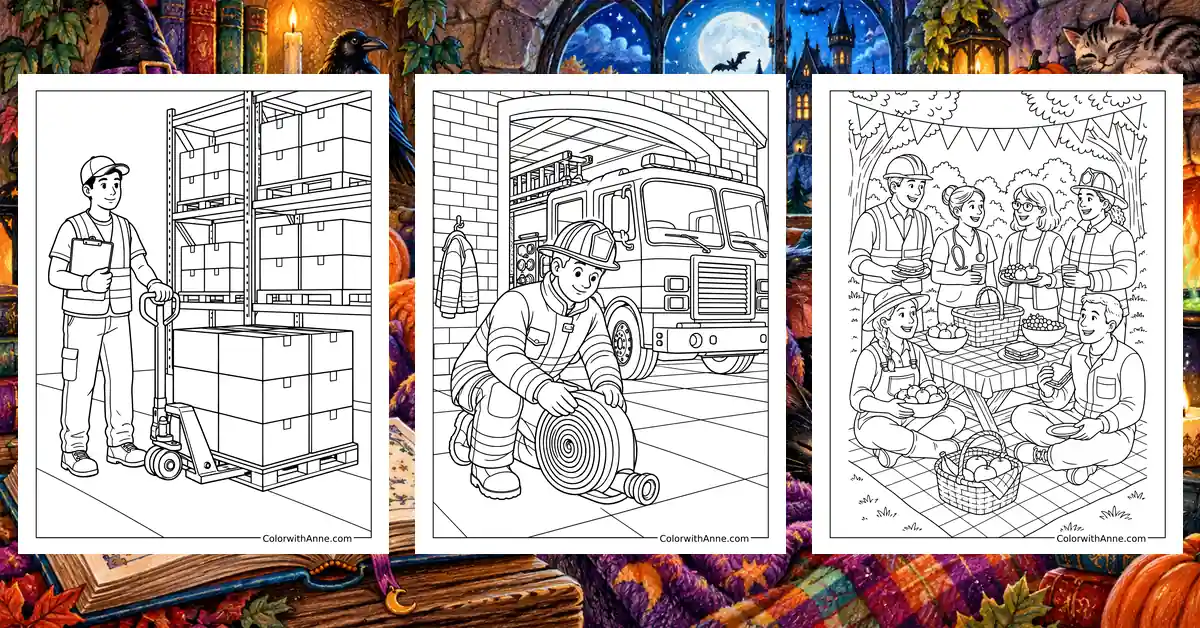
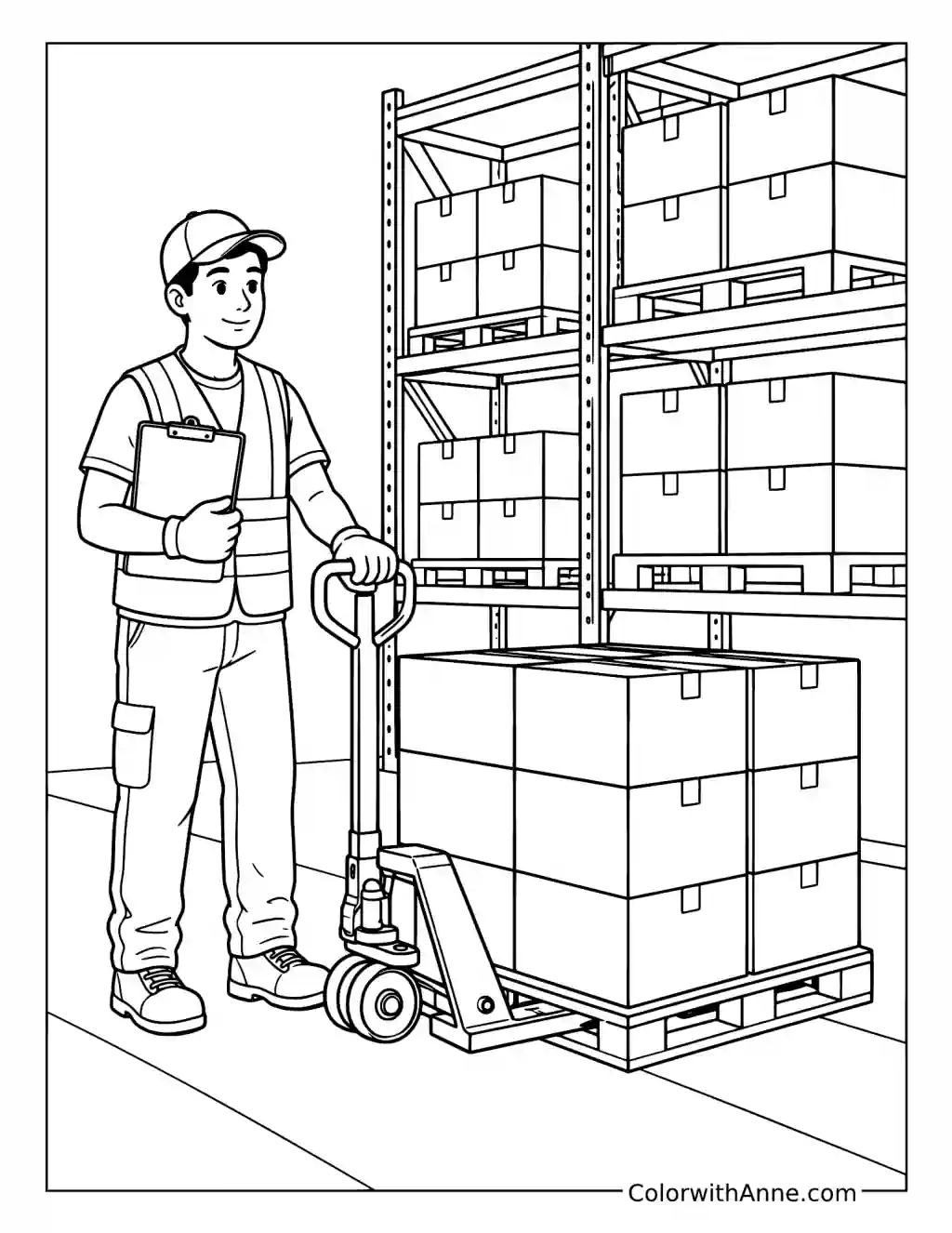
Sort a Warehouse of Everyday Supplies
The worker stands beside stacked boxes, shelves, and a pallet jack. The scene shows the organization behind getting supplies where they belong.
Brown cartons and cool metal shelving could establish the warehouse, with a brighter vest making the worker easy to spot. Small label colors would help distinguish groups of boxes.
Build a pretend stockroom with empty cartons and sort them by size or purpose. Deciding where each box belongs makes the worker’s less-visible organizing job easier to appreciate.
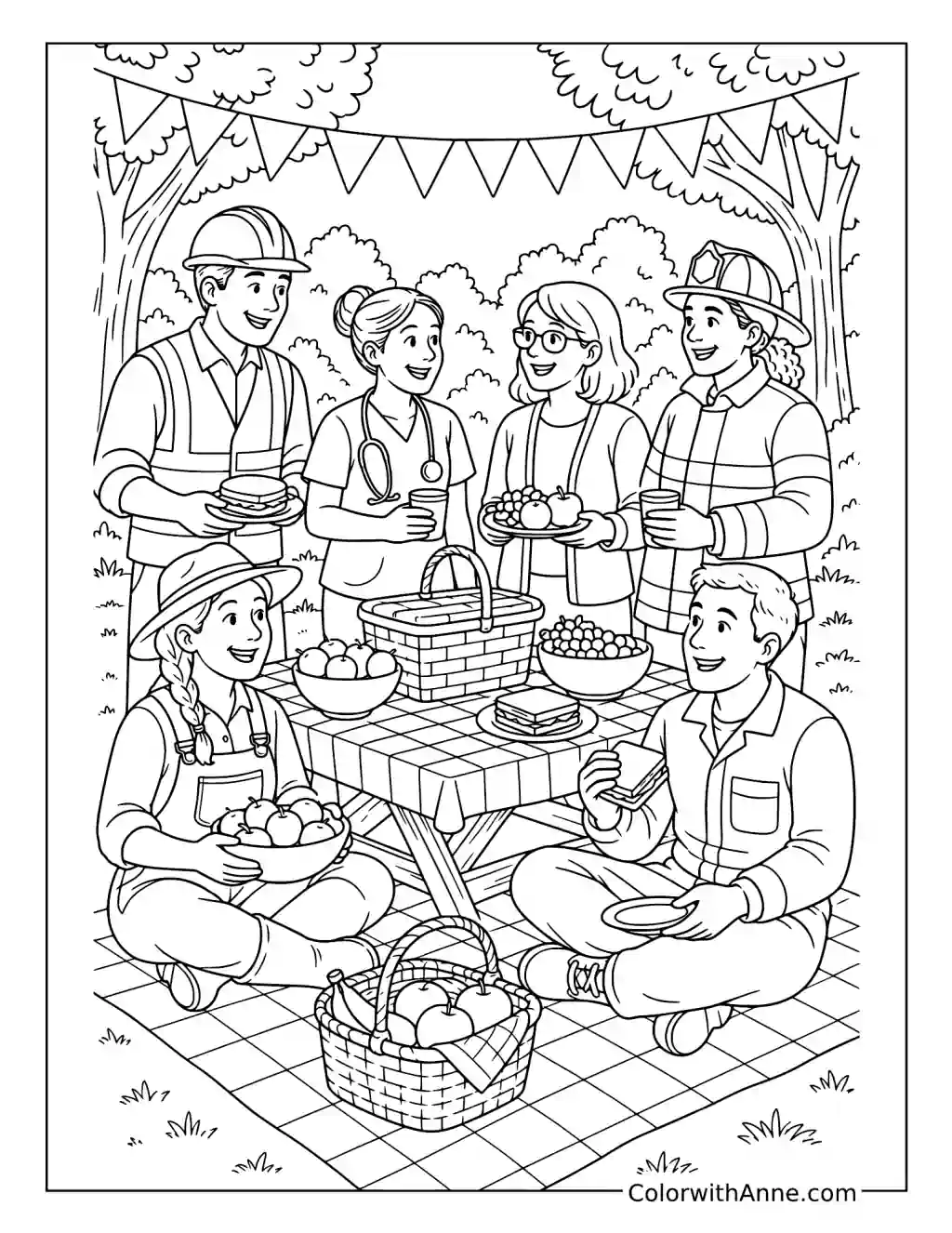
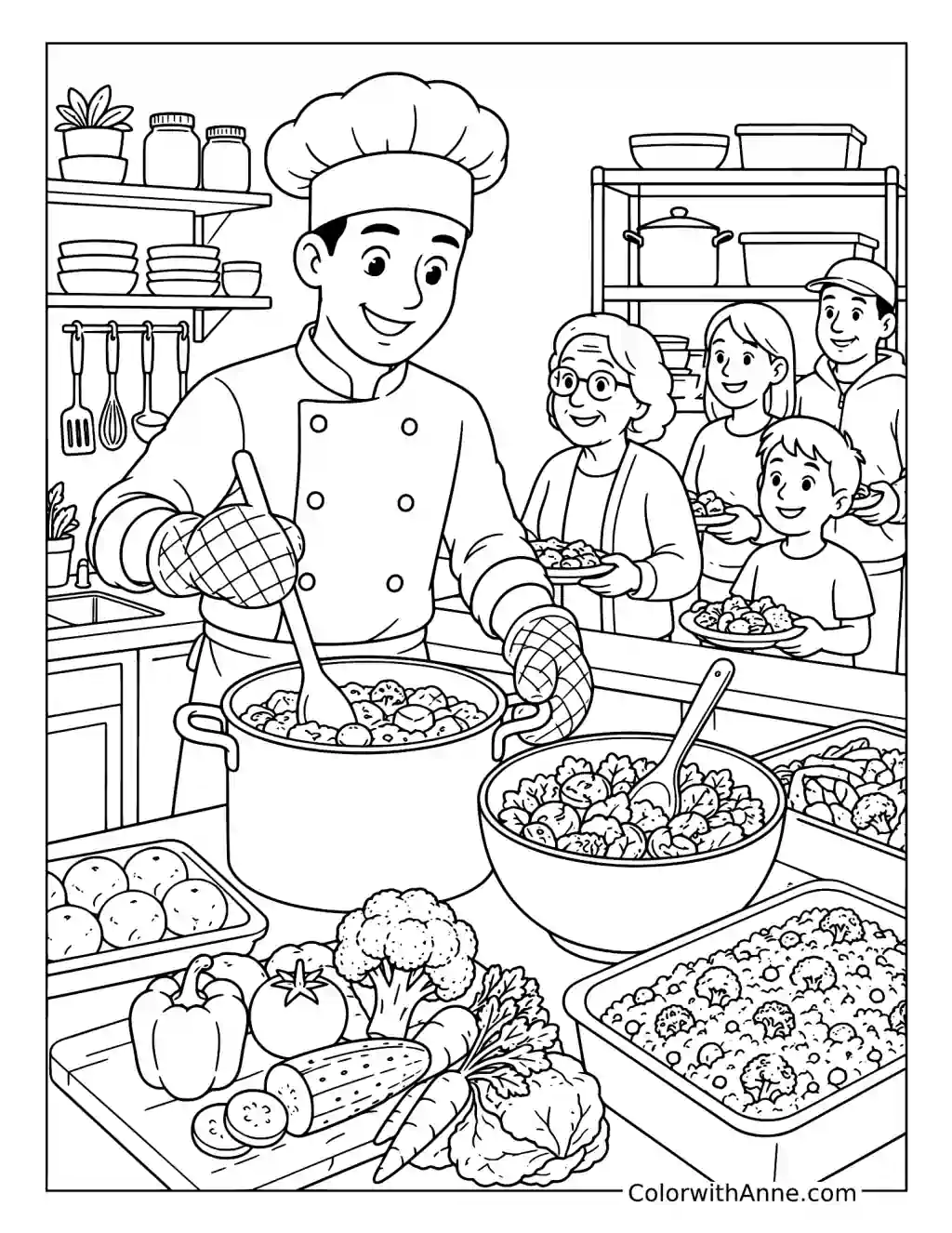
Plan a Picnic Where Everyone Gets a Break
People gather around food beneath trees and hanging bunting. The Labor Day scene gives the shared meal as much attention as the decorations.
Warm food colors and a few bright clothing shades would make the group lively. Repeating one color through the bunting could tie the gathering together.
For a real picnic, divide the small jobs before everyone arrives. Someone can bring cups, another can clear plates, and the person doing the cooking should have time to sit down too.
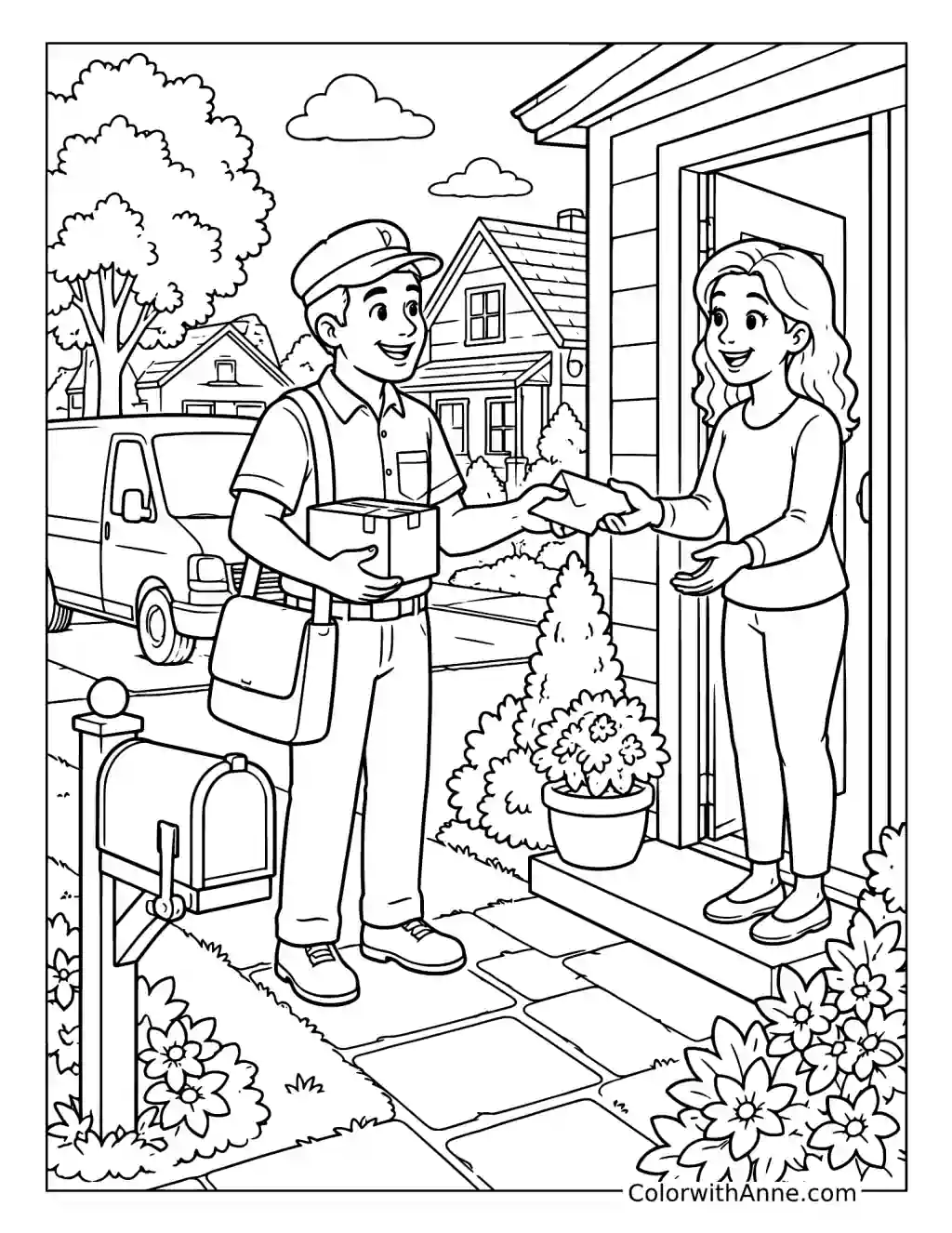
Thank the Person Who Brings the Post
The mail carrier hands over a parcel at the front door, with a delivery vehicle nearby. It is a familiar moment that often passes quickly.
A blue uniform could stand out against warm paving and a softer house exterior. Keeping the parcel plain would help the exchange between the two people remain central.
Write a brief thank-you on the back of the finished picture and hand it to your regular carrier when convenient. Mentioning something specific makes the appreciation feel considered.
Ask the Librarian for an Unexpected Recommendation
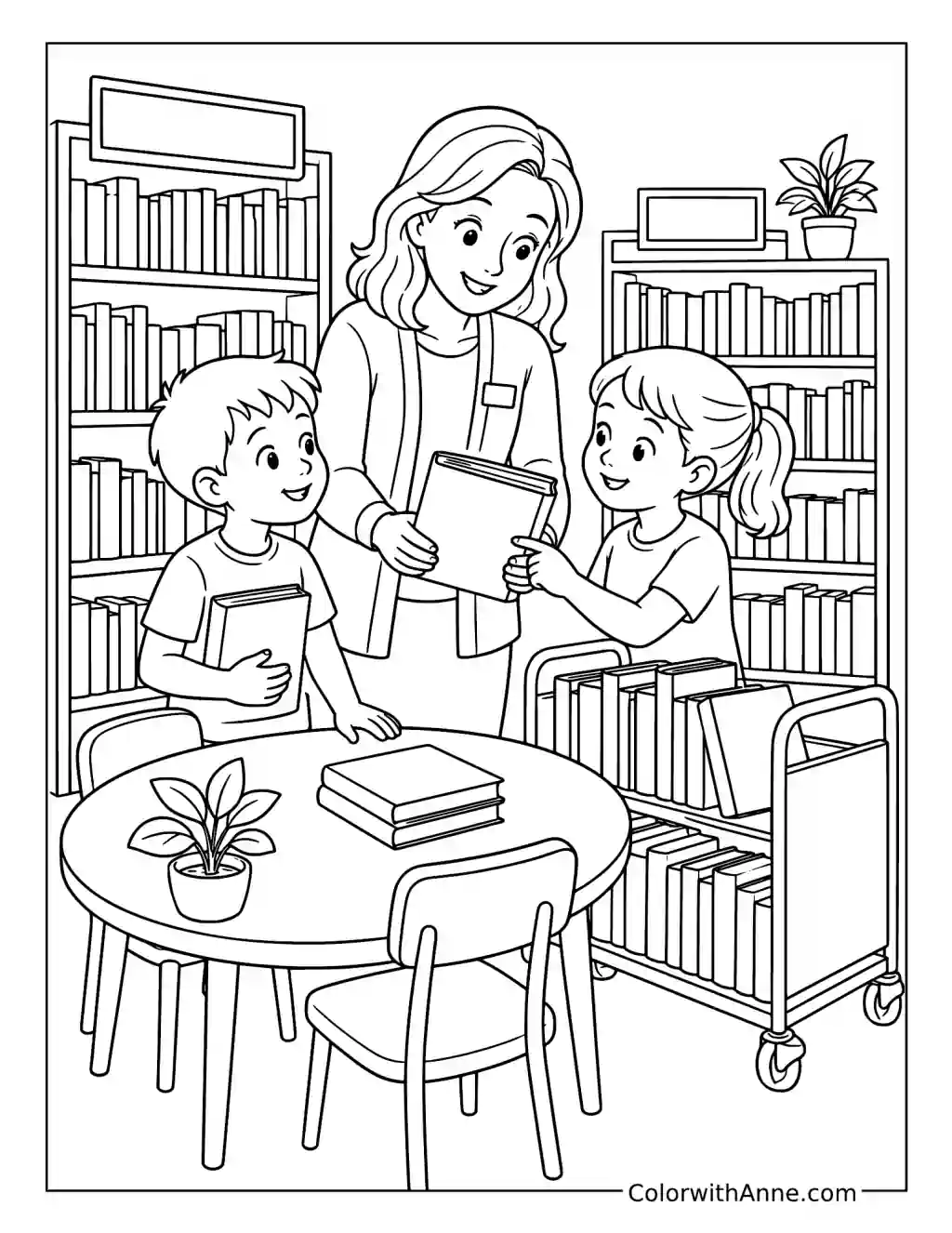
The librarian helps two children beside a book trolley and full shelves. The useful part of the scene is finding a starting point among all those choices.
A few repeated spine colors could keep the shelves organized visually. Warmer shades on the people would help them stand out from the rows of books.
Take one question to the library on the next visit, such as finding a funny book about an unfamiliar subject. Let the picture introduce the helpful work behind a good recommendation.
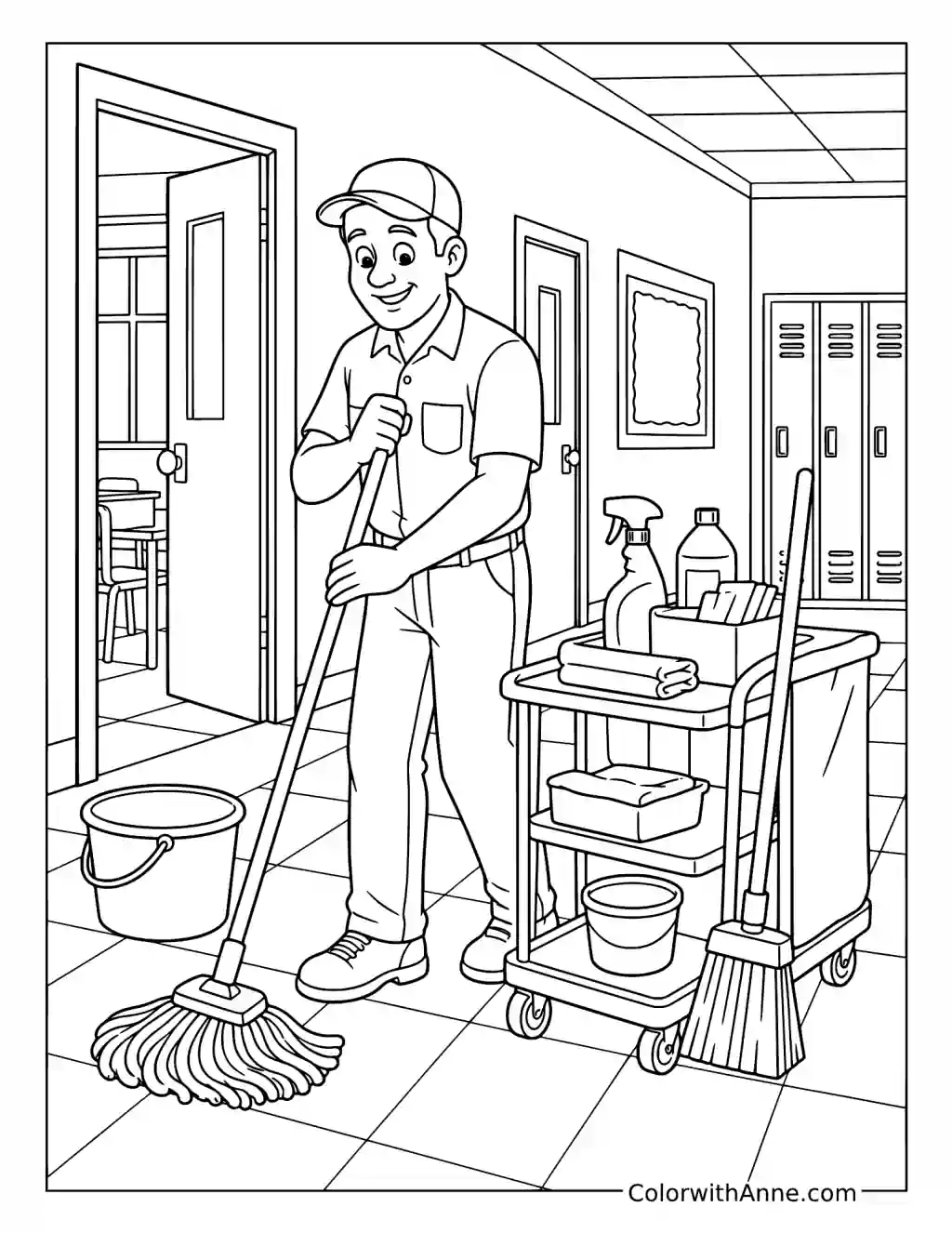
Make the Custodian’s Next Morning Easier
The custodian works through a school corridor with a cleaning cart, mop, and bucket. The empty hallway makes the scale of the job noticeable.
Cool floor colors and a brighter cart would distinguish the equipment. A warmer uniform could keep the worker visible among the long walls and doorways.
After coloring, choose one classroom habit that leaves less work behind, such as clearing scraps from the floor. A specific change gives appreciation something practical to accompany it.
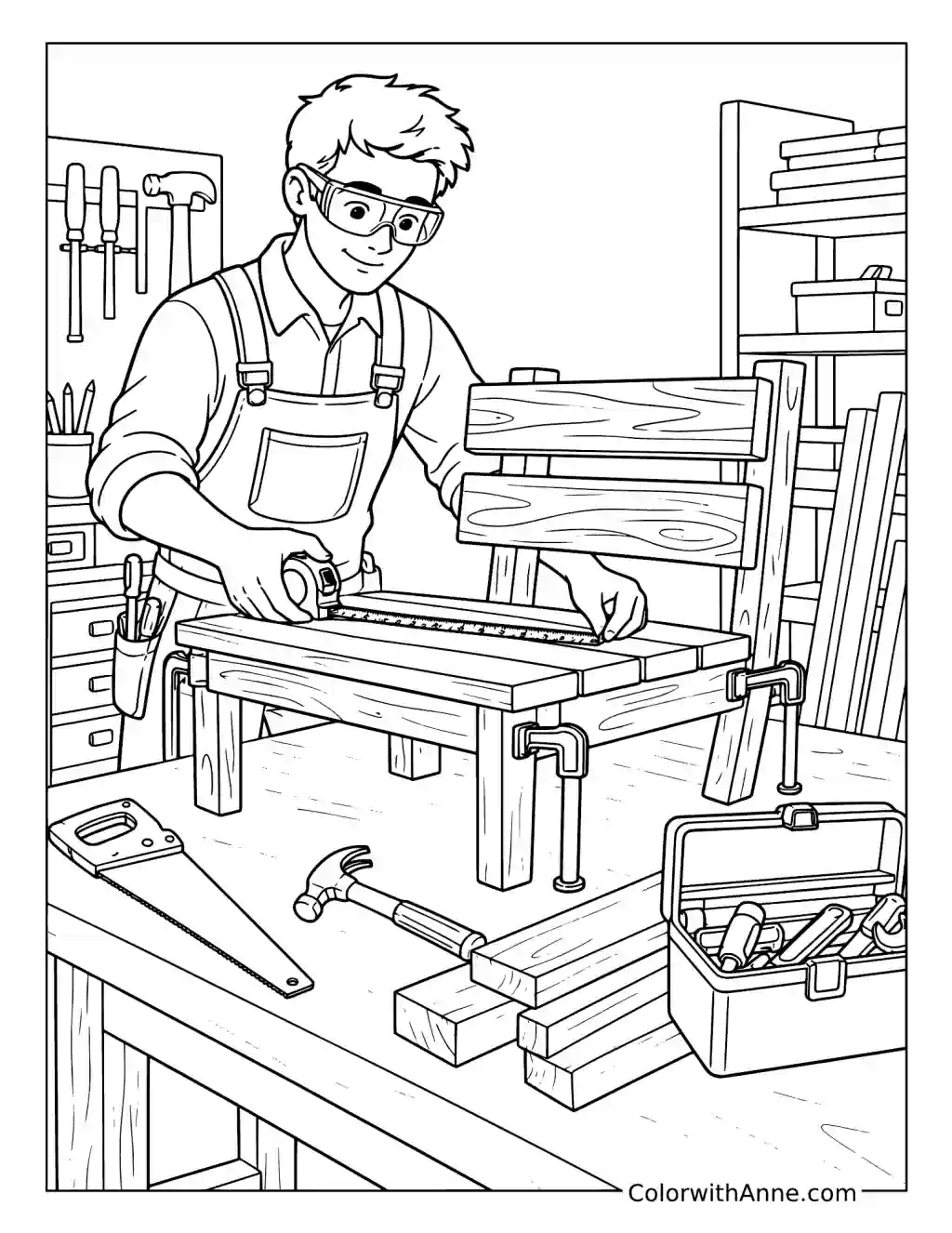
Look at a Bench as Someone’s Work
The carpenter works on a bench surrounded by tools and cut timber. The finished object is taking shape one joined piece at a time.
Warm wood shades could distinguish the seat, legs, and loose boards. Cooler tool colors would separate the equipment without distracting from the carpenter’s hands.
Look closely at a bench or chair nearby and find where its parts meet. The picture offers a starting point for noticing the construction hidden inside an everyday object.
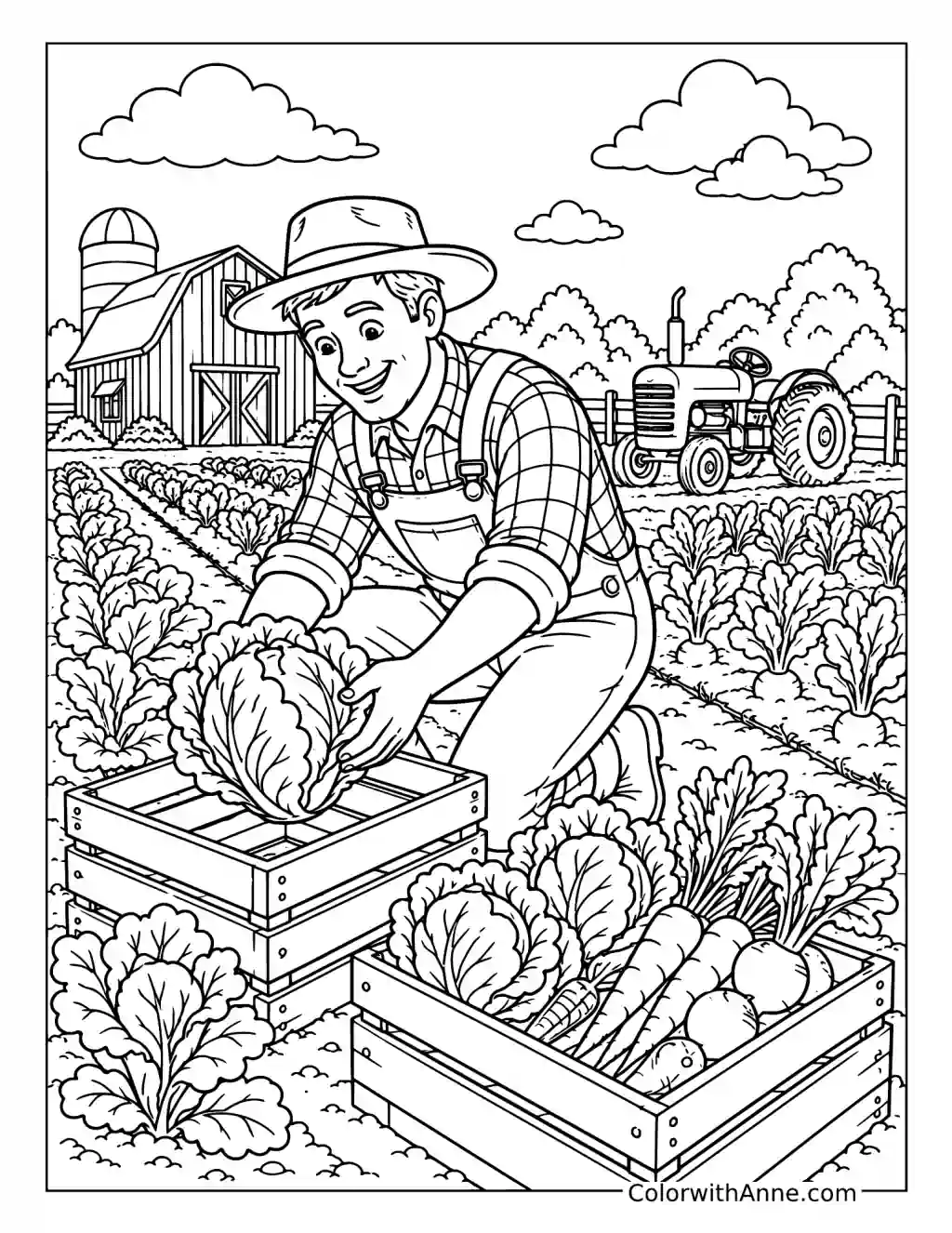
Follow a Vegetable Back to the Field
The farmer gathers vegetables into crates, with planted rows and farm buildings behind. The harvest makes the connection between field and meal visible.
Fresh greens and earthy browns could establish the plot, with brighter vegetable colors appearing in the crates. A muted background would leave the harvesting work clear.
Choose one vegetable from an upcoming meal and talk about the steps that brought it to the kitchen. Keep the discussion tied to that actual food rather than trying to explain the whole food system.
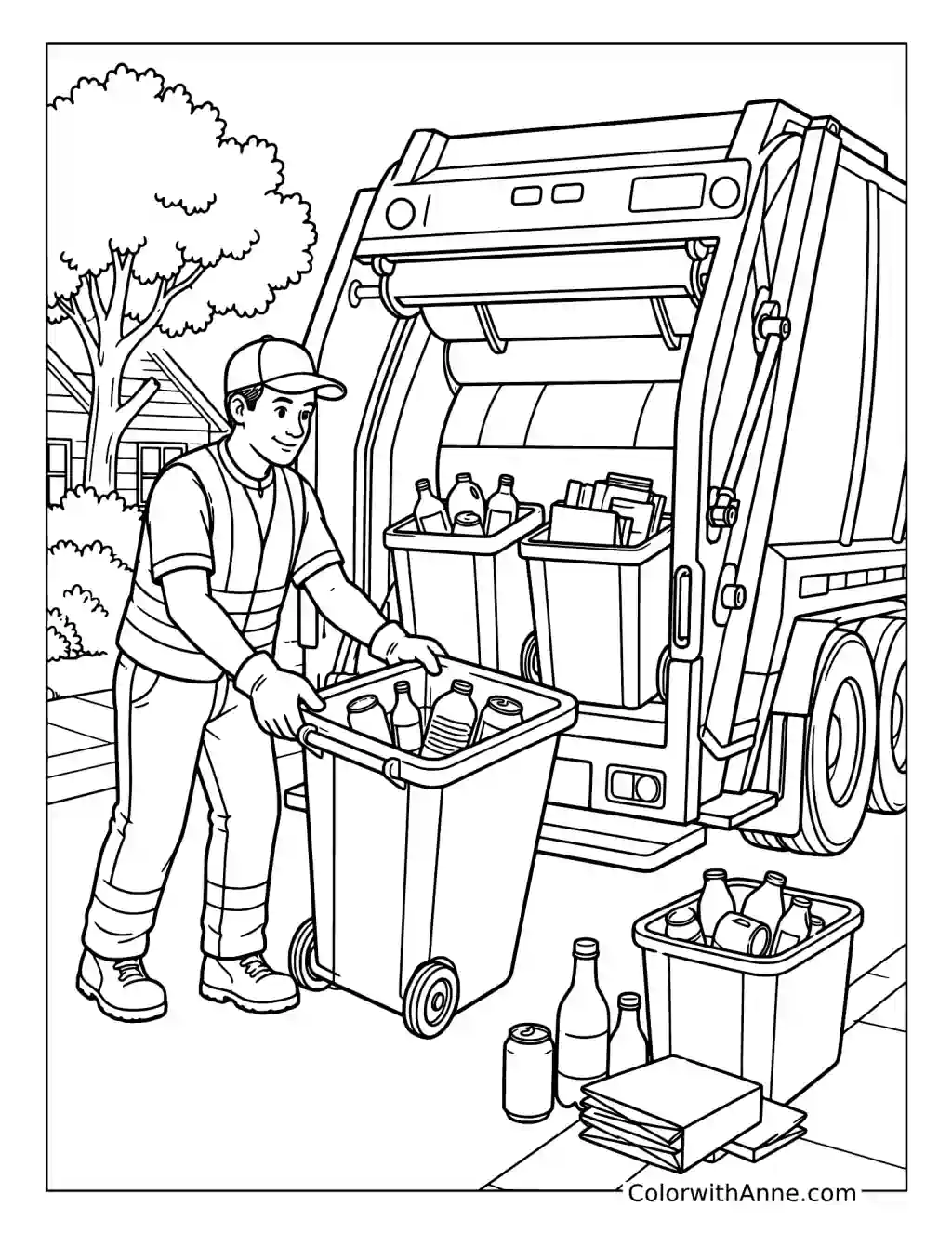
Check the Recycling Together
The sanitation worker handles a recycling bin beside the truck, with boxes and containers waiting nearby. The job depends partly on what households put out.
A strong truck color could anchor the scene, with quieter bins and pavement around it. Reflective-looking details on the clothing would help the worker remain visible.
Look up the accepted items on your local collection guide and check the household recycling together. The useful follow-through is one correctly sorted bin, not an elaborate school project.