
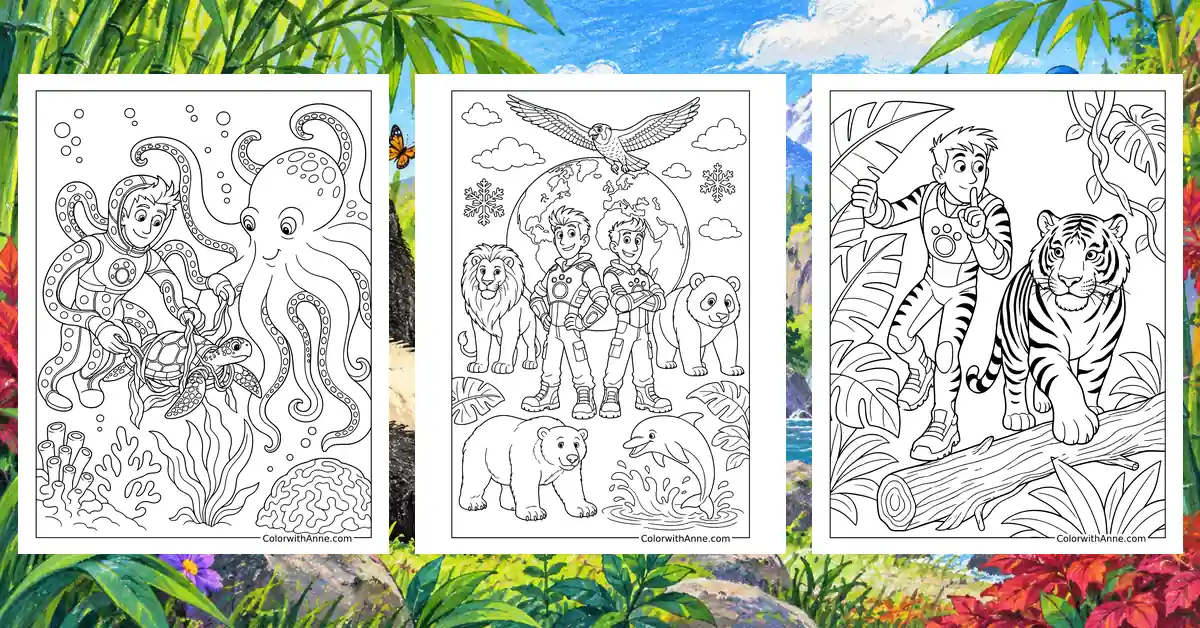
Chris and Martin Kratt can make one unusual animal ability feel like something worth investigating all afternoon. A creature moves, climbs, or hides in a way that seems almost impossible, and suddenly a child is explaining it to everyone nearby. The Creature Power Suits give that fascination a particularly appealing form.
Wild Kratts coloring pages let the interest continue once the episode ends. A familiar character can bring back the animal encounter that caught someone’s attention, along with an impressive amount of recently acquired knowledge. A page at the table may therefore come with a demonstration, especially if the creature’s movement needs explaining properly.
Free Printable Wild Kratts Coloring Pages
Click any coloring page below to open the PDF, then print on US Letter or A4 paper.
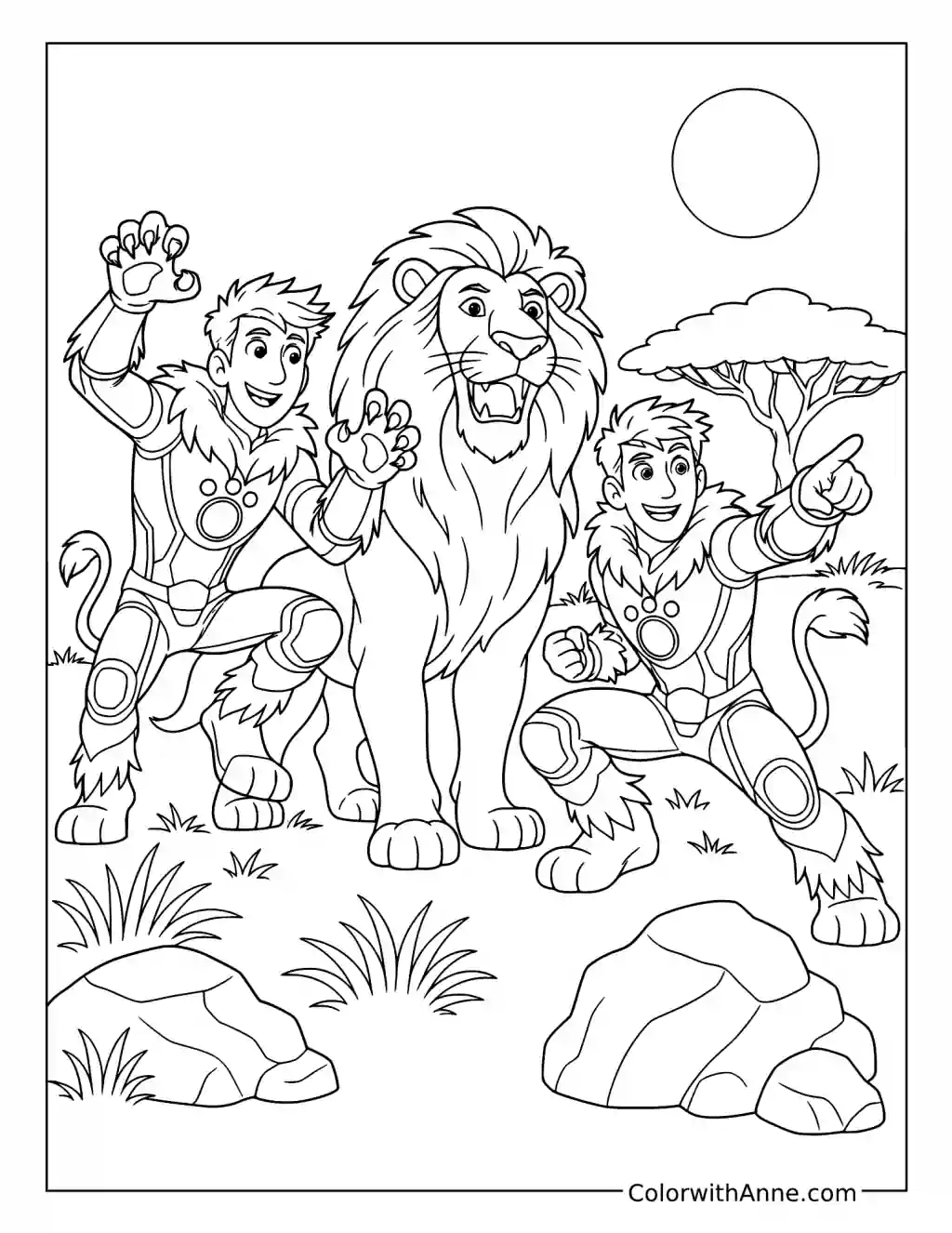
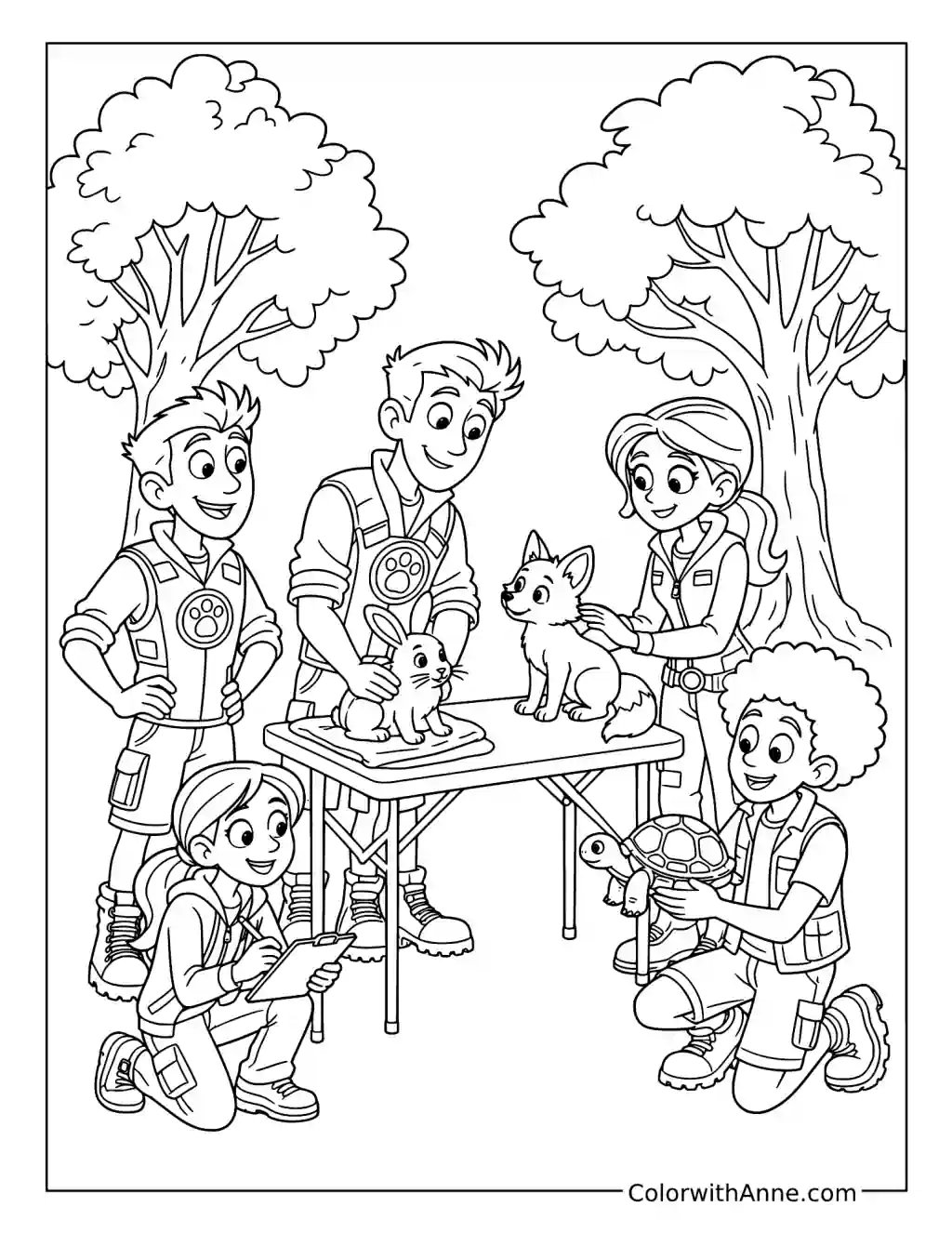
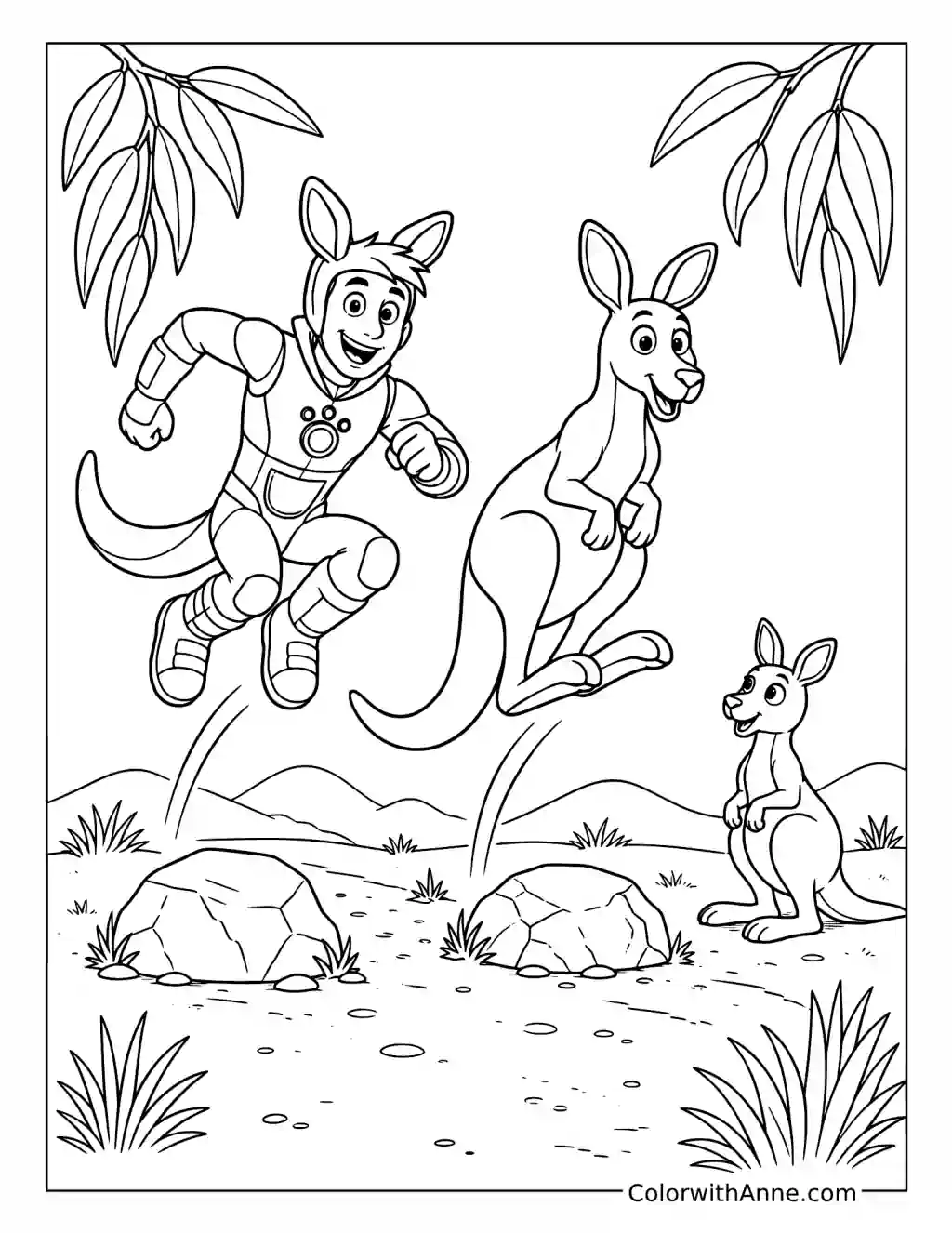
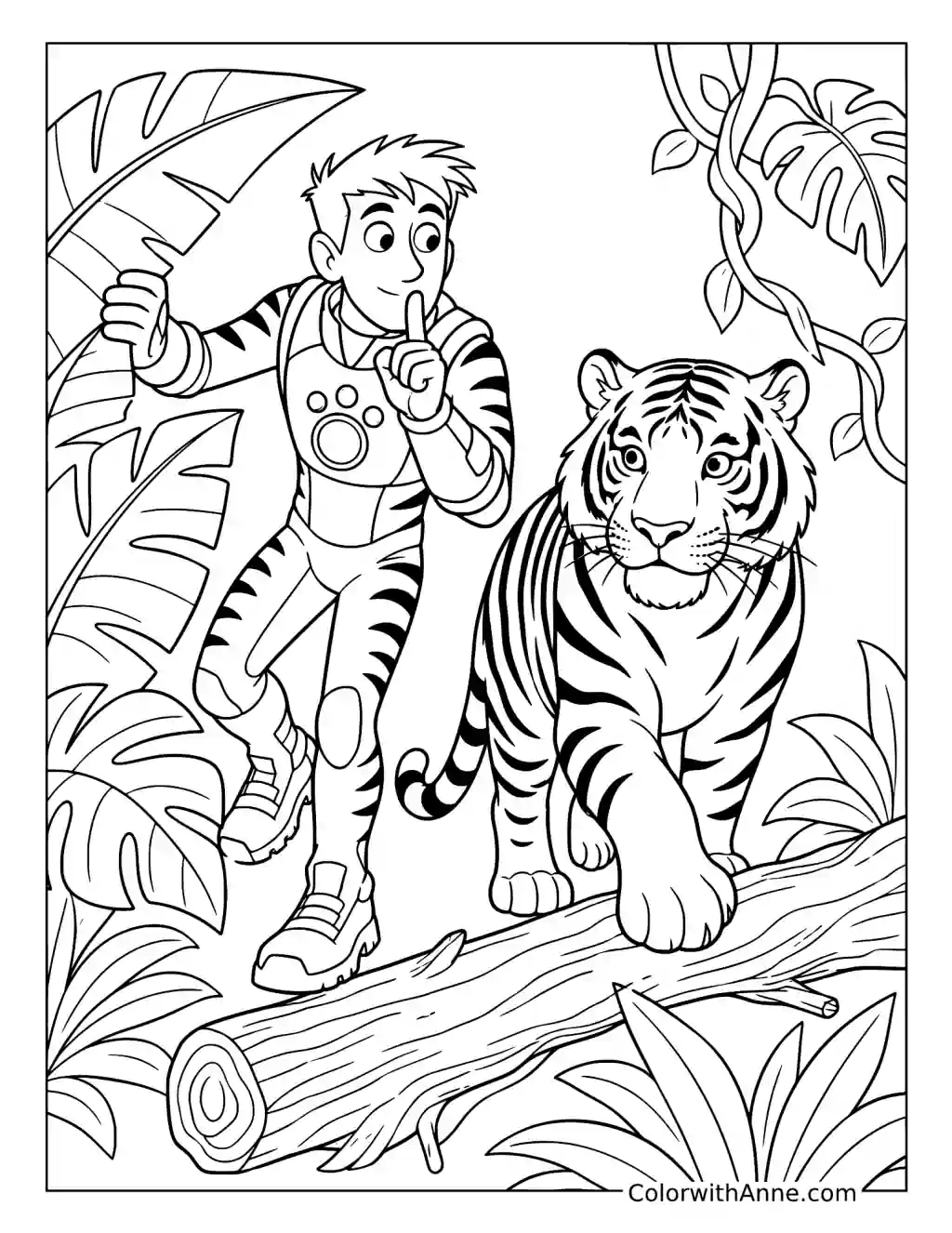
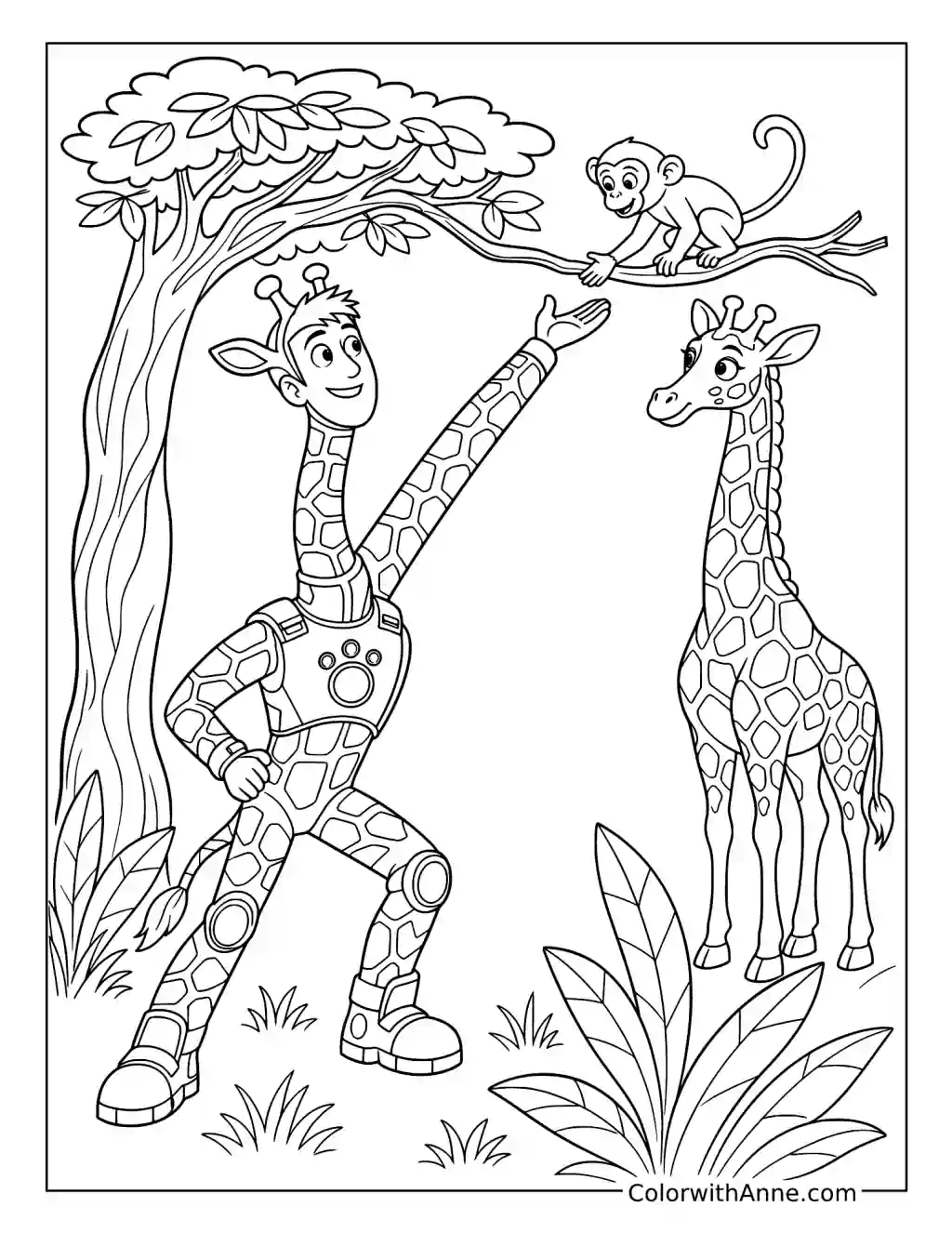
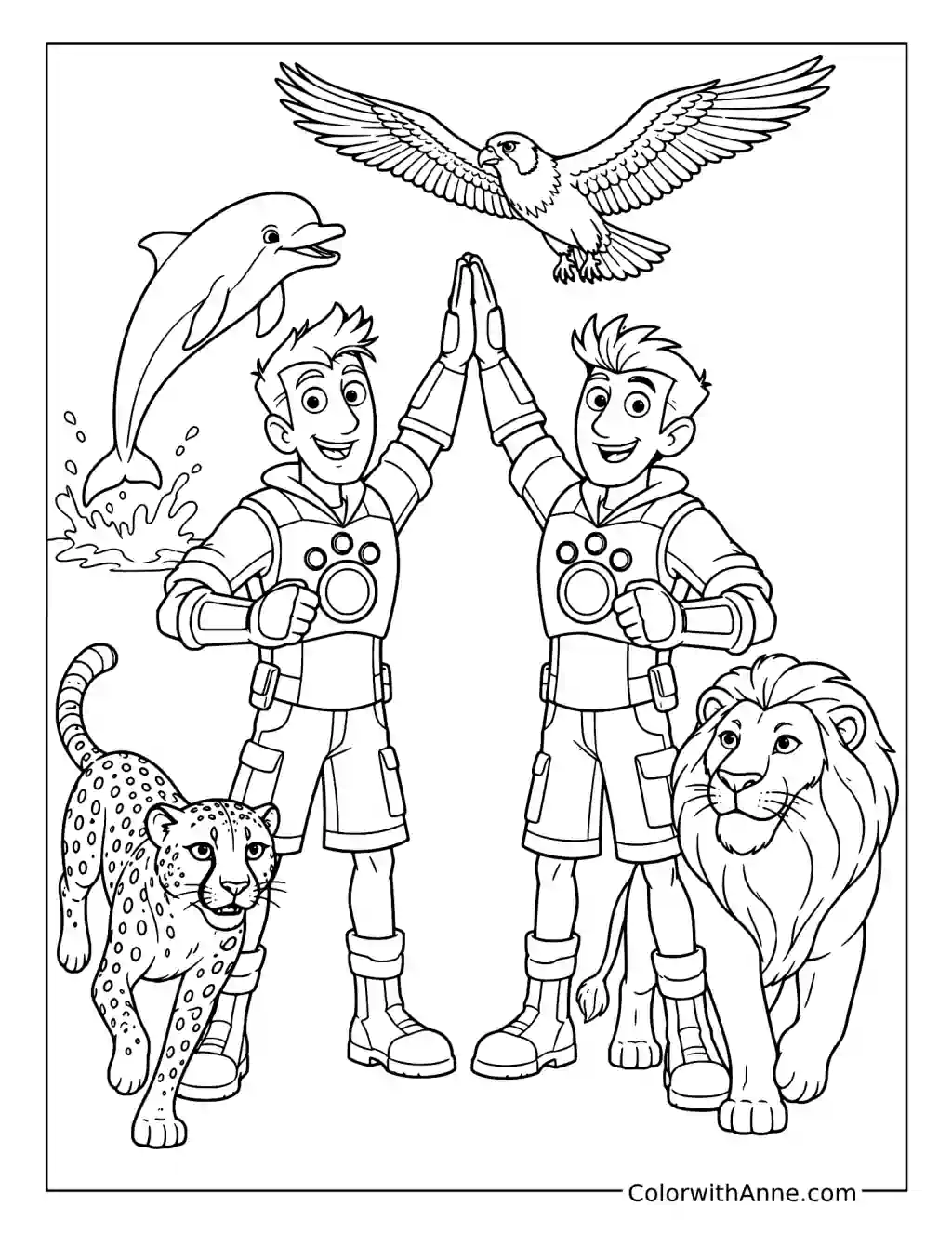
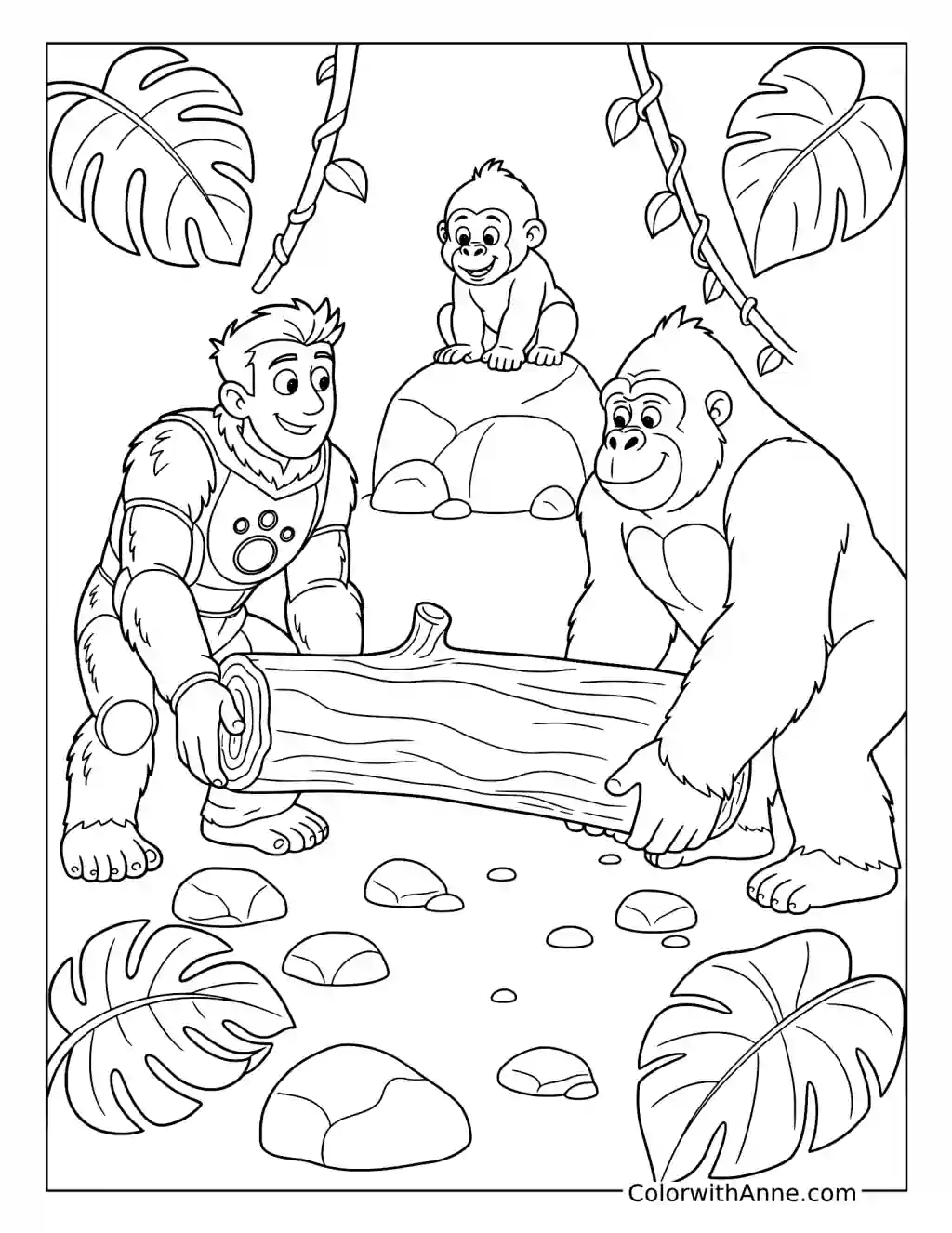
Did you find what you needed?
Help us choose what to create or improve next.
Coloring Ideas for Wild Kratts Pages
Try one of these coloring ideas, or use them as a starting point for your own.
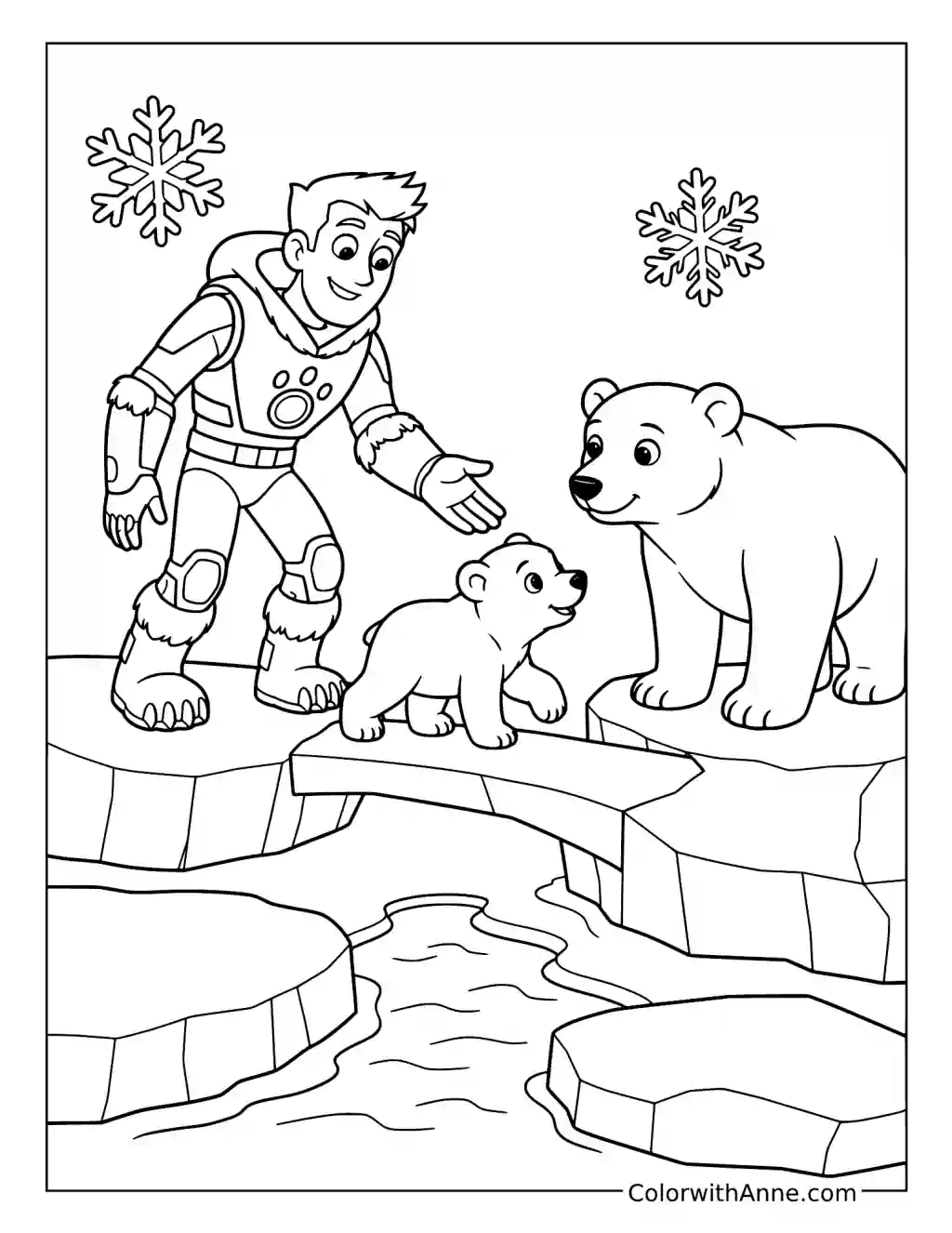
Look Closely at Those Polar Bear Paws
A Kratt brother in his polar bear suit stands with an adult bear and cub on the sea ice. The suit makes the animal’s shape especially noticeable, from the broad paws to the rounded ears.
The bears could stay mostly white, with pale blue in the shaded areas. Cooler blues on the ice would help the white fur remain visible without outlining everything heavily.
Have a closer look at the paws before coloring them. Compare their broad shape with a hand spread flat on the table, then draw a pretend Creature Power glove on scrap paper. Which part would need to become wider? It gives children a specific animal feature to think about while keeping the invention firmly in Wild Kratts territory.
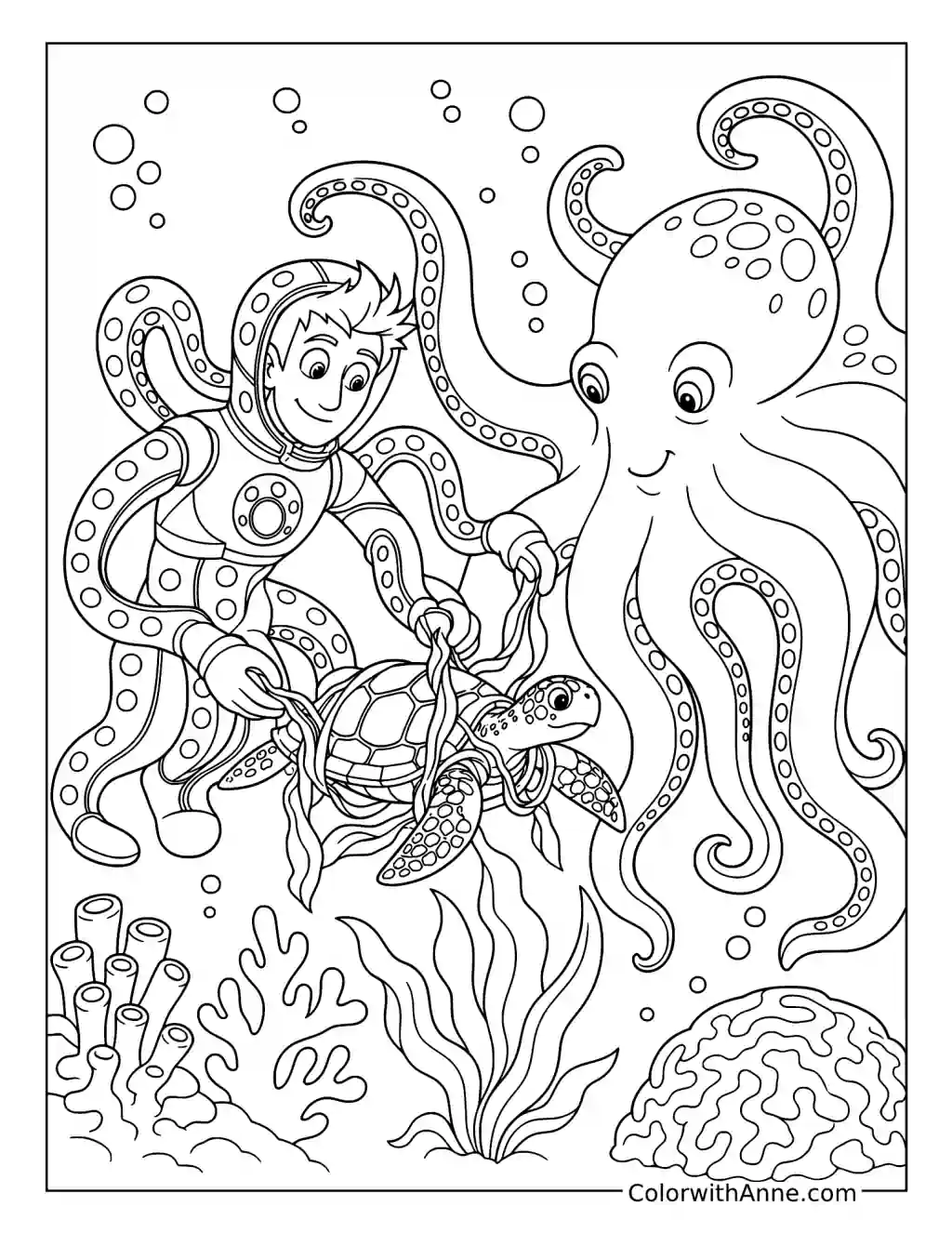
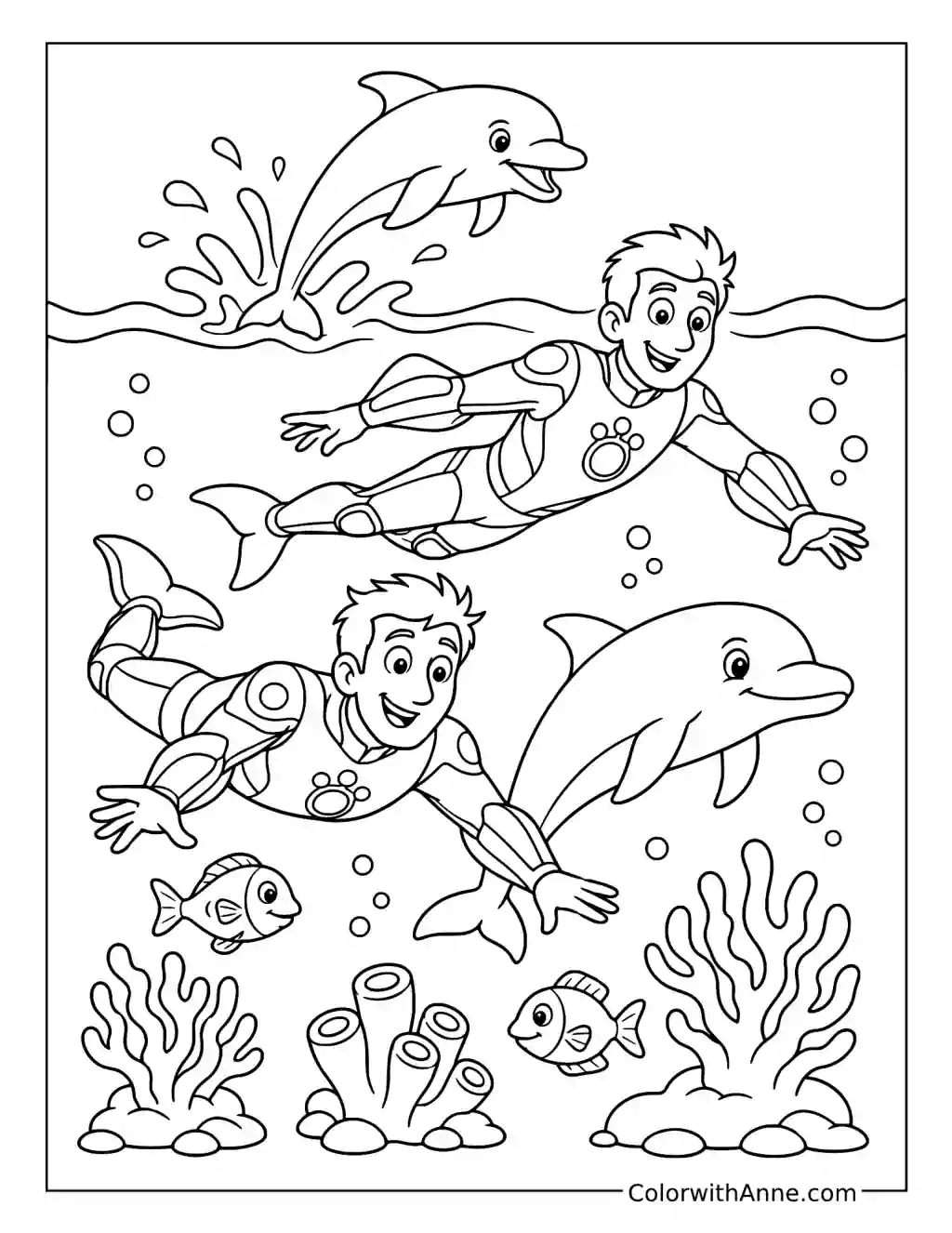
Find a Way Through the Tentacles
The octopus-powered suit brings plenty of extra limbs into this underwater scene, alongside an octopus and a small sea turtle. Following each curling arm takes a little concentration before any coloring has even begun.
Purple or reddish orange could work for the octopus, with a green turtle nearby. Pale blue water would leave the curling shapes easy to follow.
Turn the underwater spaces into a rescue route. With a fingertip first, find a path from the turtle toward the open water without crossing an animal’s outline. Once a route works, it can become a trail of small drawn bubbles. The challenge comes from the actual tangle of shapes on the page rather than an extra worksheet.
Try a Kangaroo Landing
The kangaroo suit and the real kangaroo are both caught in a leap. Their bent legs and long tails make the movement easy to recognize, even before the page has its savanna colors.
Warm brown would suit the kangaroo, with tan ground and muted green plants. The suit can keep brighter accents so the human visitor remains easy to spot.
Before sitting down, try a few small two-footed jumps between widely spaced pieces of paper on the floor. The interesting part is landing quietly and keeping balance, rather than jumping as far as possible. Then return to the picture and notice how much space the kangaroo’s legs and tail take up during its leap.
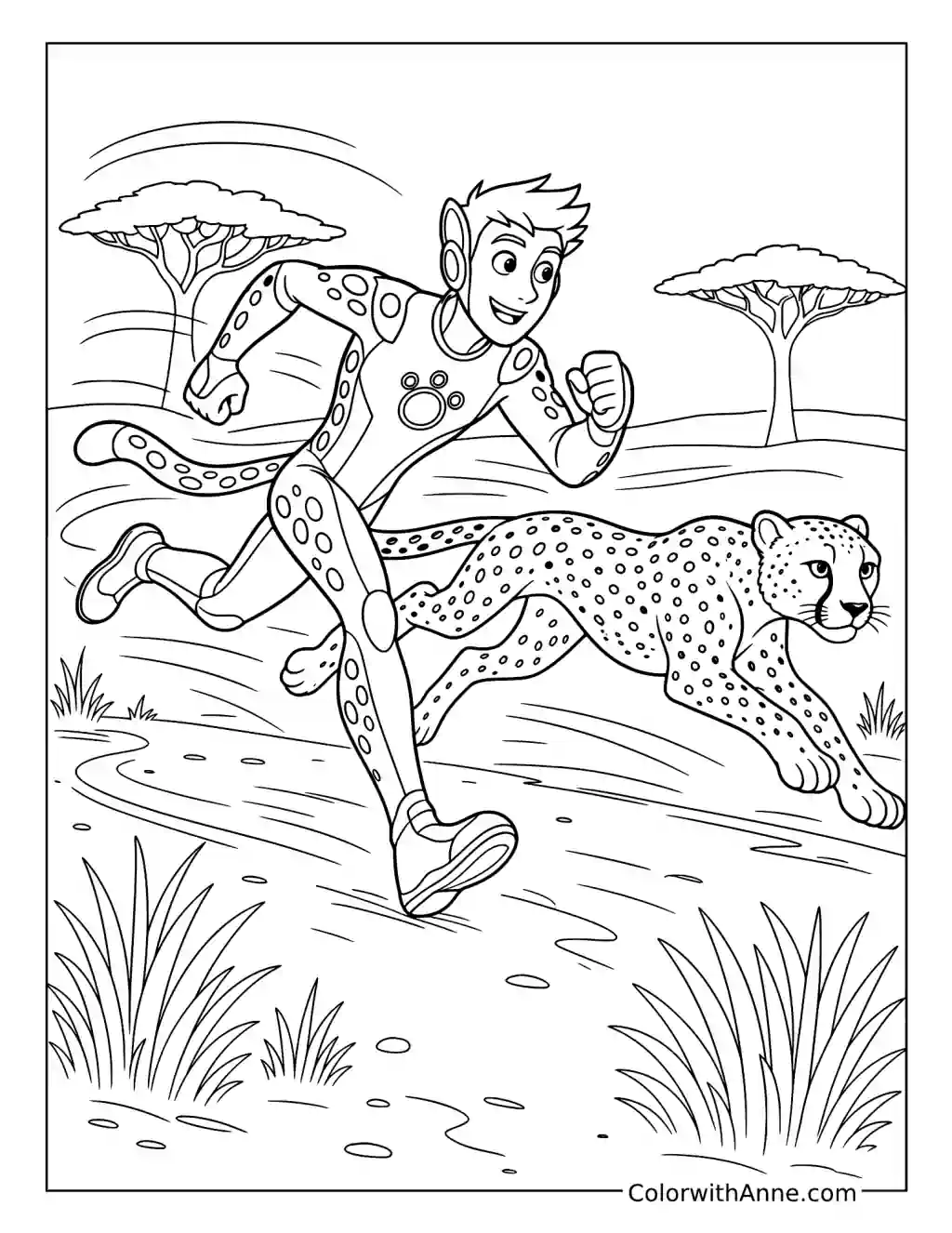
Catch the Cheetah’s Running Rhythm
The cheetah and its suited companion race across the savanna, with the trees standing still behind them. Their stretched running poses make this a good page for children who are usually more interested in moving than sitting.
A sandy yellow coat with dark spots would suit the cheetah. Dry gold grass and a pale sky could keep the scene feeling warm and open.
Watch a short clip of a cheetah running before filling in the spots. Pause it once when the animal is stretched out and again when its legs gather beneath it. Comparing those moments with the drawing makes the frozen pose easier to understand, and gives a young animal enthusiast something specific to look for next time.
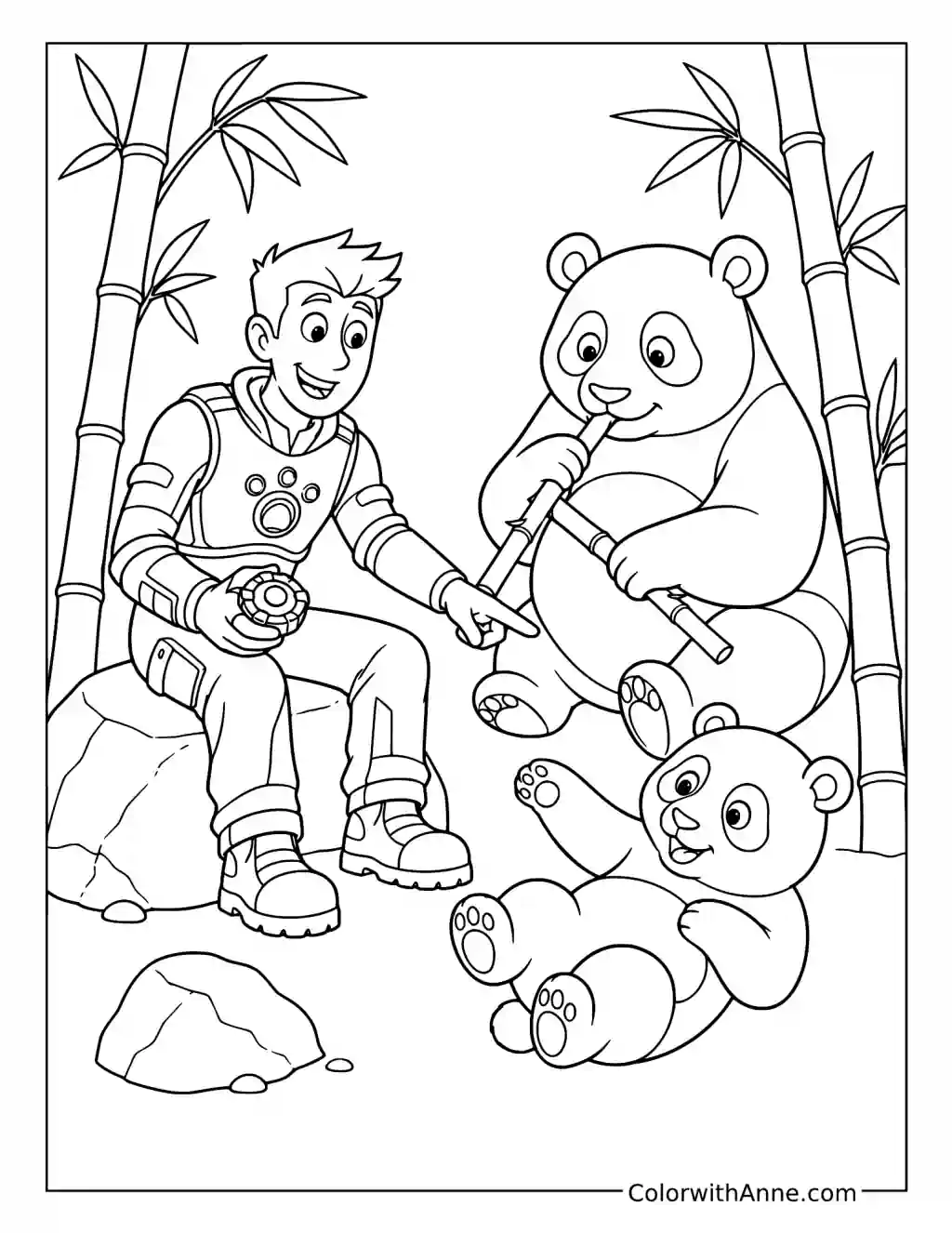
Spend a Little Time at the Bamboo Buffet
A Kratt brother sits near a panda and cub in a bamboo grove. After all the running and leaping elsewhere in the collection, this scene settles down to the serious business of sitting comfortably near lunch.
Black and white will give the pandas their familiar markings. Several greens in the bamboo, with a few yellow-green leaves, could make the grove feel less uniform.
A panda video can be especially enjoyable beside this page because there is time to watch the small movements. Notice how a panda holds its food, changes its grip, or pulls a stem closer. Children can try holding a rolled strip of paper in the same position, then look back at the paws in the drawing.
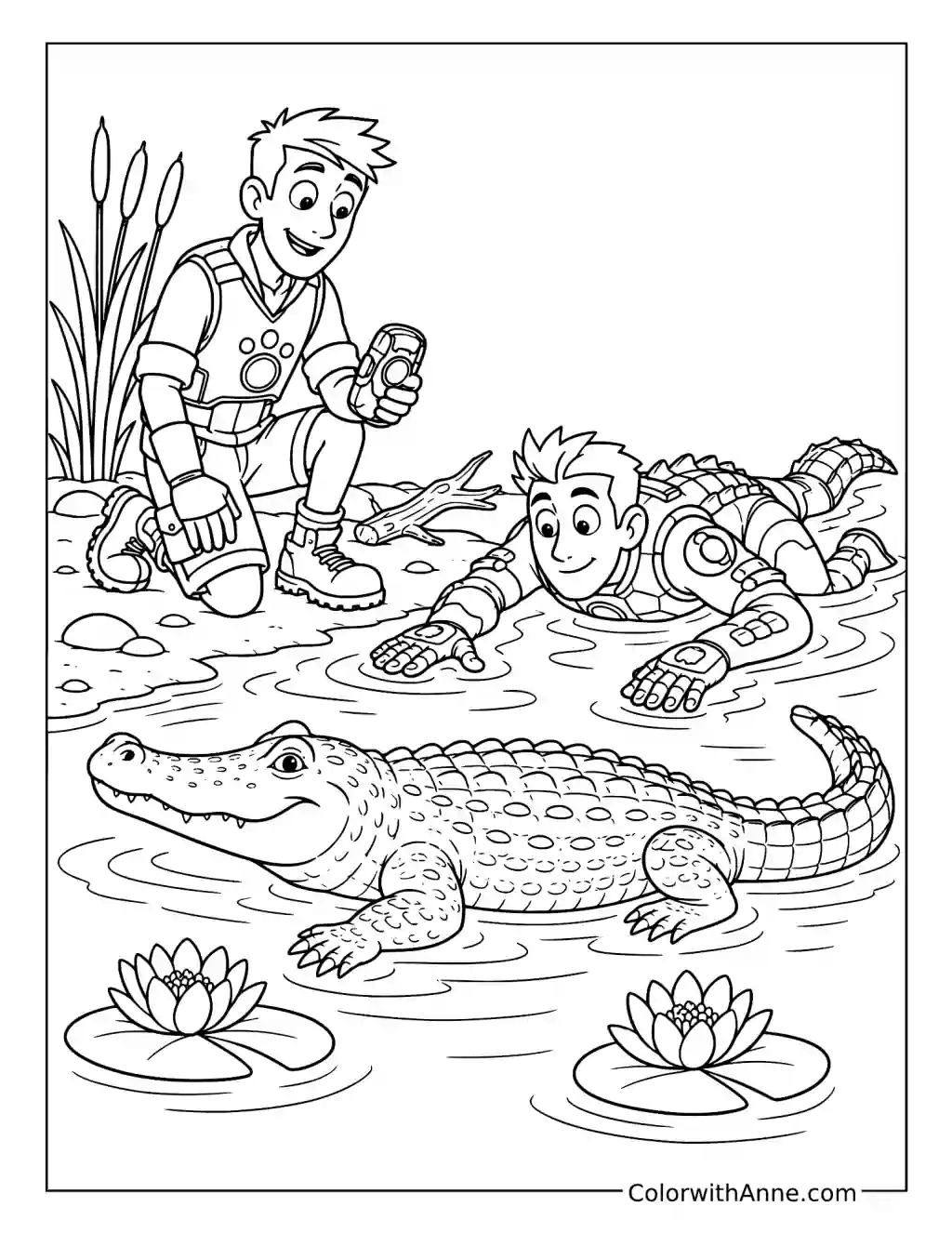
Watch the Crocodile Without Disturbing It
Chris and Martin watch from the bank while the crocodile rests in the water. The picture gives the animal room to be itself, with the brothers observing rather than trying to turn the encounter into a performance.
Olive green and earthy brown would suit the crocodile and riverbank. Slightly darker water around its body could help show where the animal meets the surface.
Try a quiet observation game with the finished page. One person studies it while the other asks a few questions about what is actually visible: where the tail goes, which parts remain above water, or where the brothers are standing. Switch roles afterward. It rewards close attention, the same skill that makes animal watching interesting.
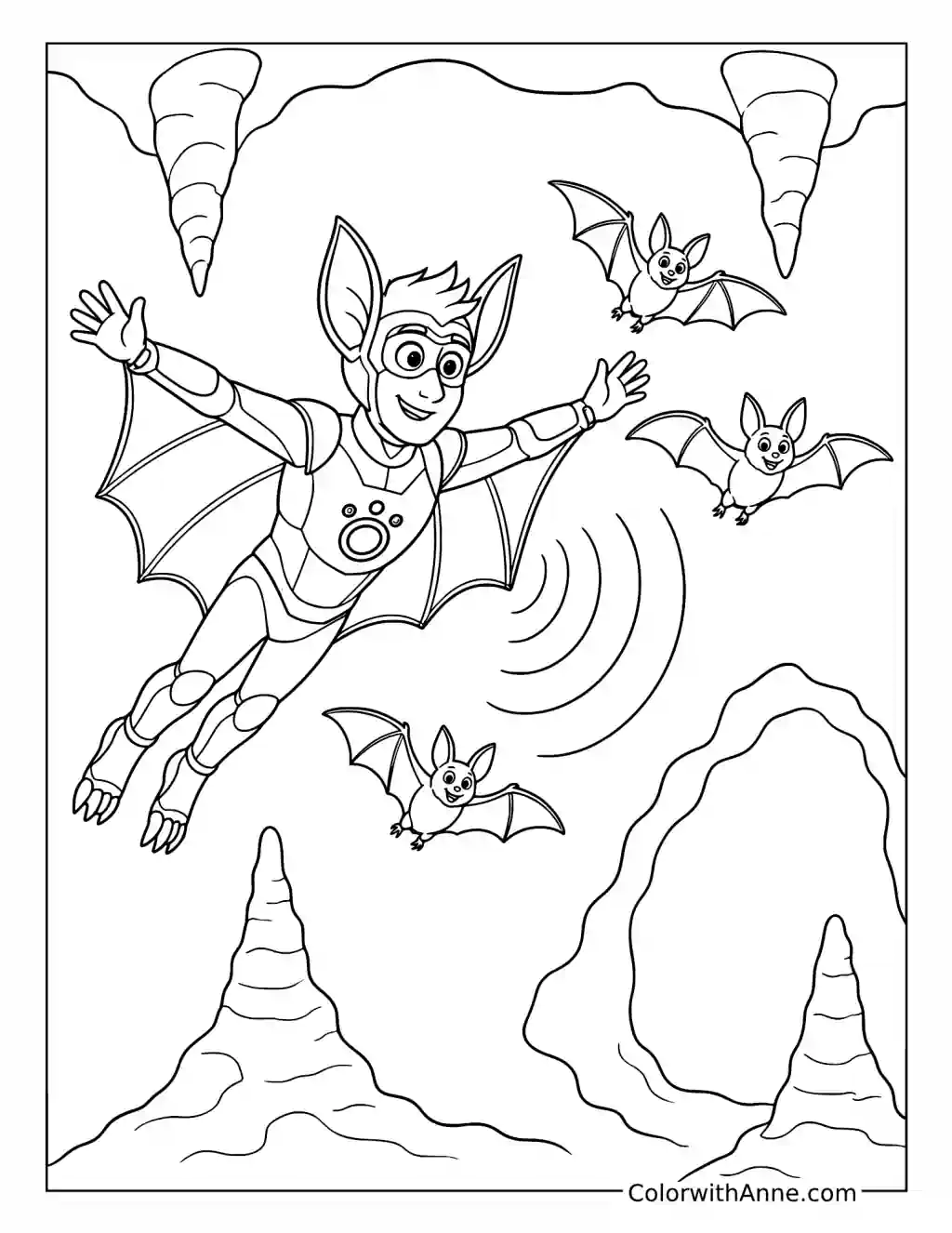
Follow a Sound Through the Bat Cave
The bat-powered suit spreads its wings inside the cave, with bats flying nearby. The surrounding rock gives this scene a darker, enclosed feeling, quite different from an open savanna or sunny forest.
Charcoal and brown could work for the cave, with a little violet in its deeper corners. Leaving some pale areas around the wings would keep them distinct.
A listening game fits naturally here. One person closes their eyes while another makes a gentle sound from somewhere in the room, such as tapping two wooden blocks together. Point toward the sound before looking. It is a simple way to become more aware of hearing before returning to a picture where light is scarce.
Notice How a Bird Turns
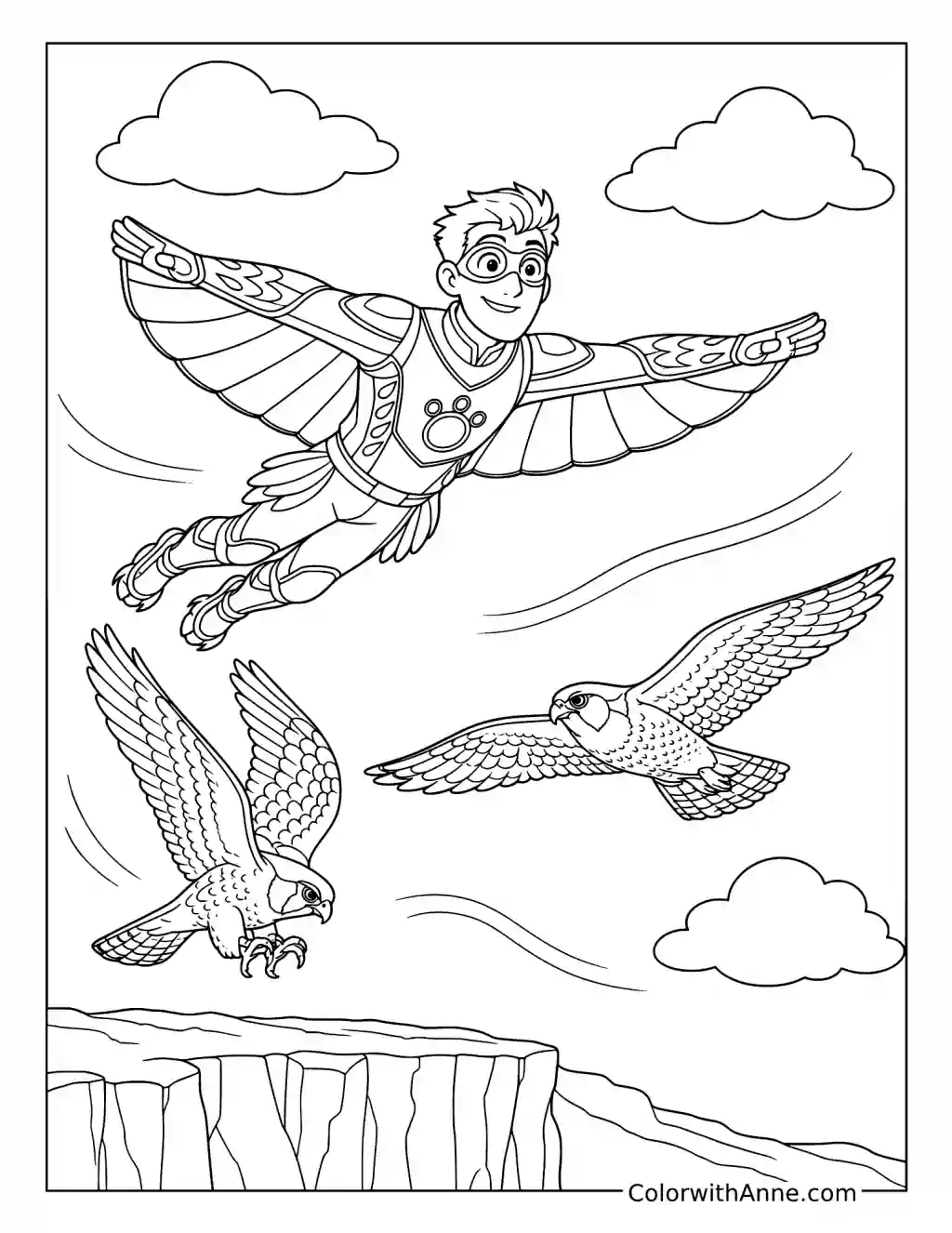
A winged Creature Power suit flies beside a bird above the canyon. With the ground far below, the wide wings become the most interesting part of the scene, especially where they tilt away from the body.
Rusty red and sandy orange would suit the canyon walls. A pale blue sky could make the darker feathers and bright suit details easy to see.
When a bird glides overhead, watch for the moment it changes direction without obvious flapping. The page offers a useful reminder to look at the angle of the wings. Back indoors, hold a sheet of paper flat between both hands and gently tilt one side, using the drawing to think about what the bird was doing.