
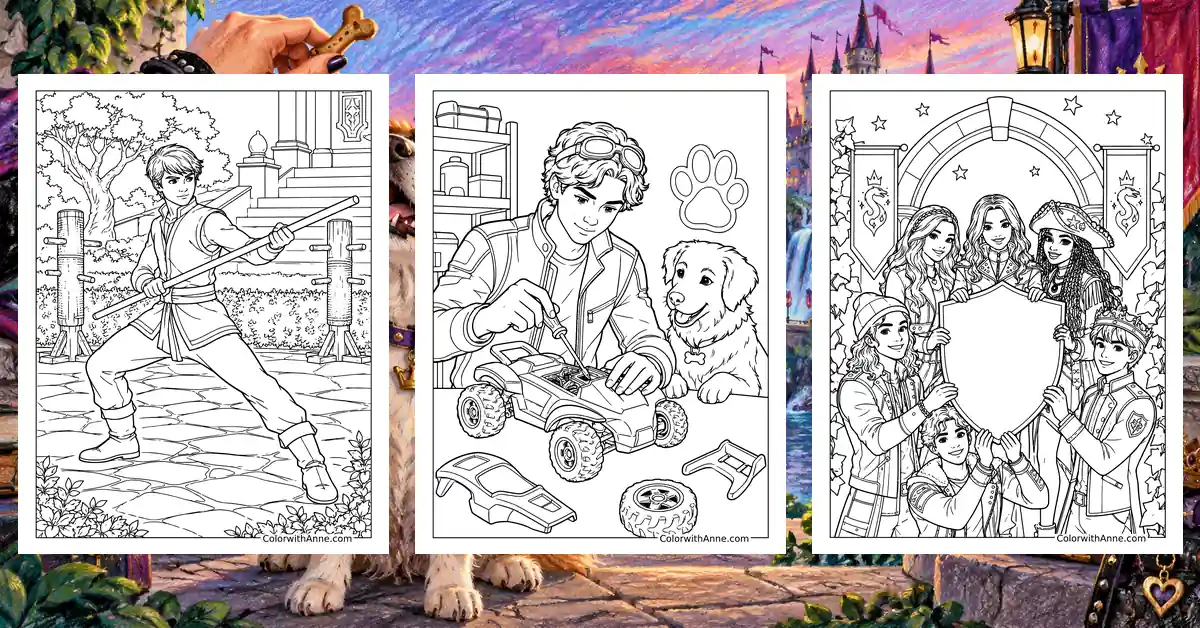
Mal and Evie can make getting ready for school look considerably more dramatic than finding a clean uniform. In Descendants, an outfit says something before its wearer speaks, especially when a famous villain happens to be part of the family. Carrying that reputation into a new friendship cannot make introductions easy.
Descendants coloring pages give fans time with the characters beyond the next musical number. A favorite might be chosen for her attitude, or for the moments when that confidence slips. The clothes attract attention, but recognizing the person beneath them is often what makes someone return to the same character.
Free Printable Descendants Coloring Pages
Click any coloring page below to open the PDF, then print on US Letter or A4 paper.
Did you find what you needed?
Help us choose what to create or improve next.
Coloring Ideas for Descendants Pages
Try one of these coloring ideas, or use them as a starting point for your own.
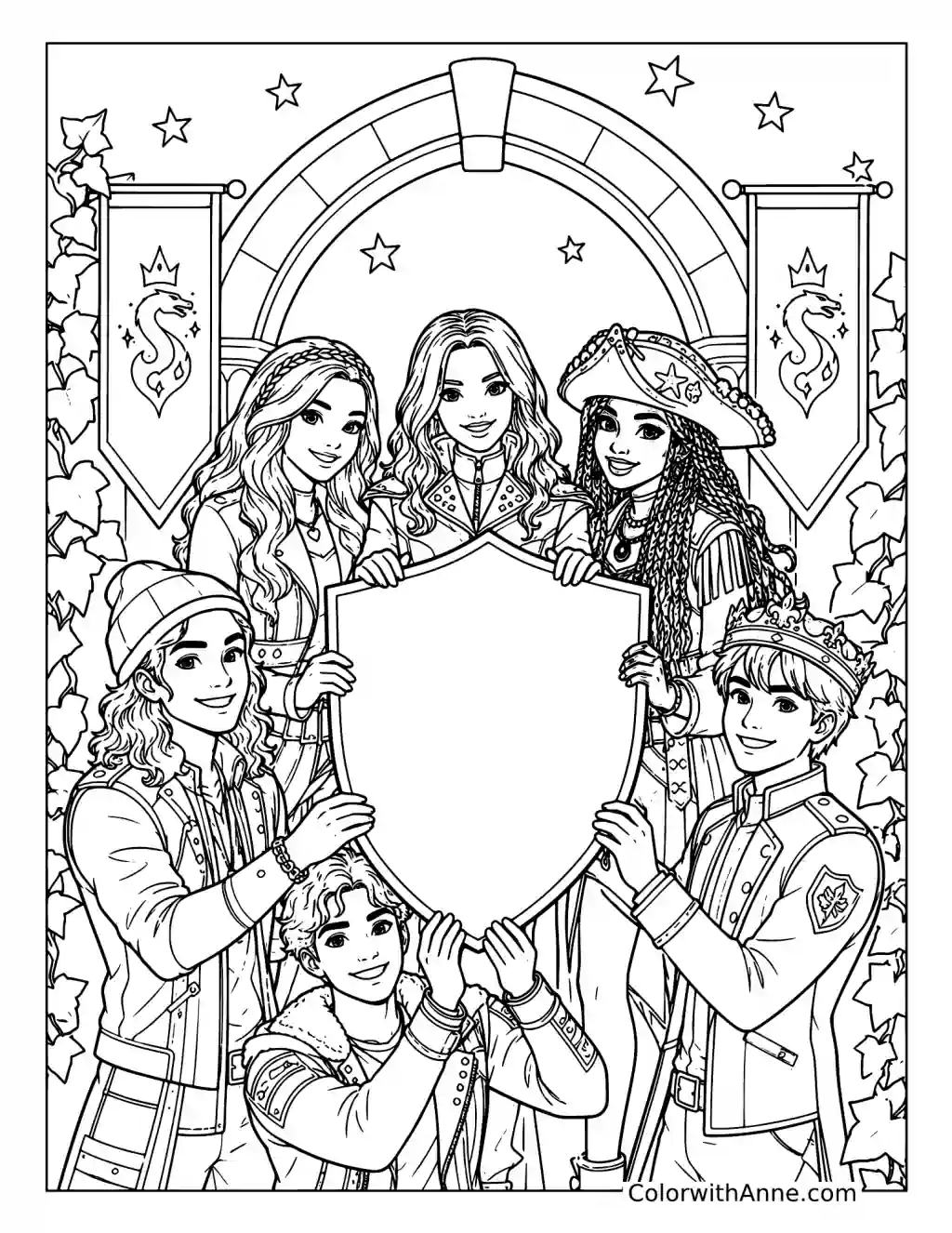
Give the Group a Shared Emblem
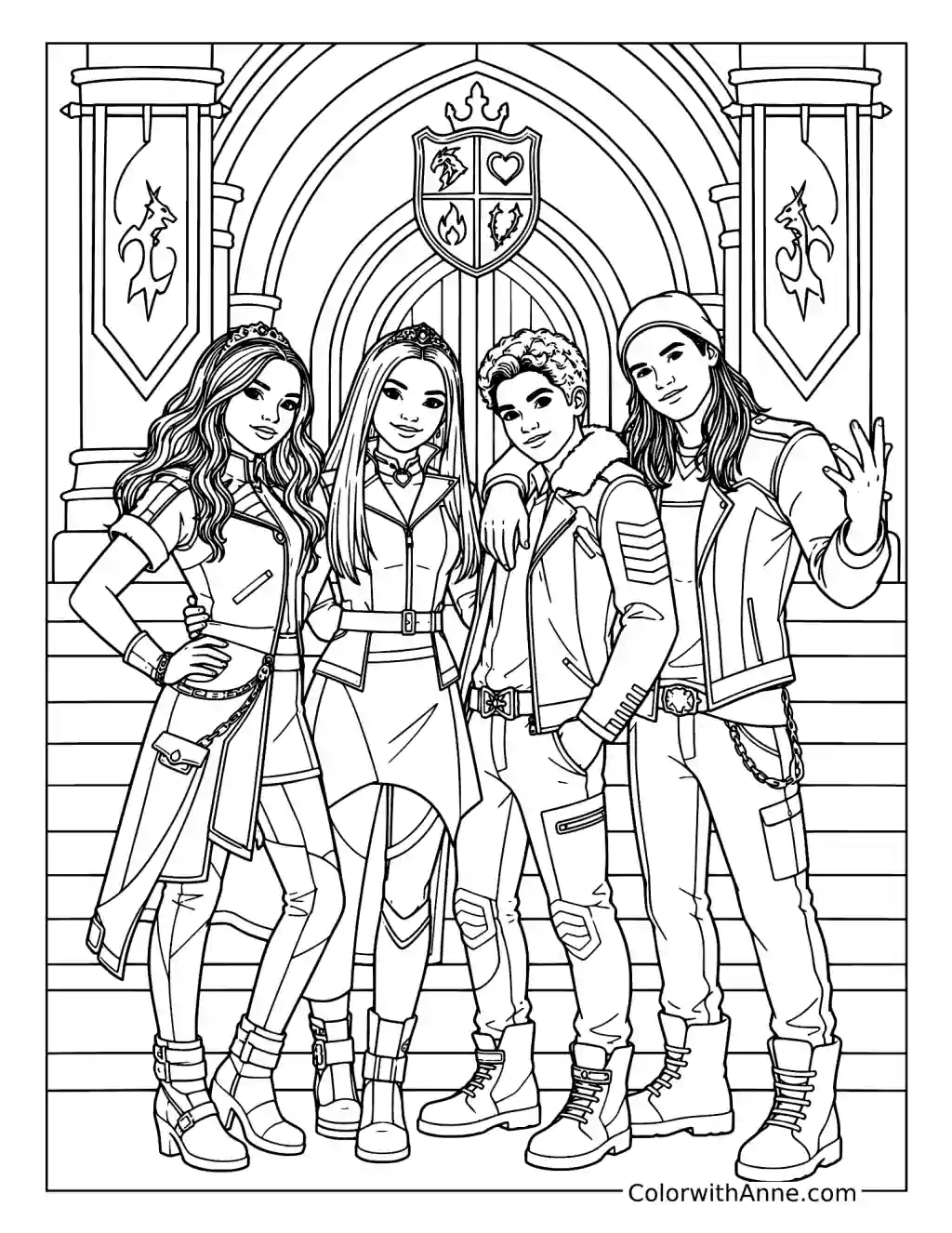
Six figures gather around a large blank shield, with crowns, a pirate-style hat, and other costume details competing for attention. That empty center gives you somewhere to add a mark of your own. Think of this group as a club waiting to agree on its badge.
Draw one bold symbol inside the shield: a curl of ocean wave, an open book, or a flower with an oversized center. Choose something you would happily wear on a badge yourself. Keep it large enough to stand out among the surrounding ornament. Then carry a color from your emblem into the two hanging banners, leaving the figures free to keep their individual clothing colors.
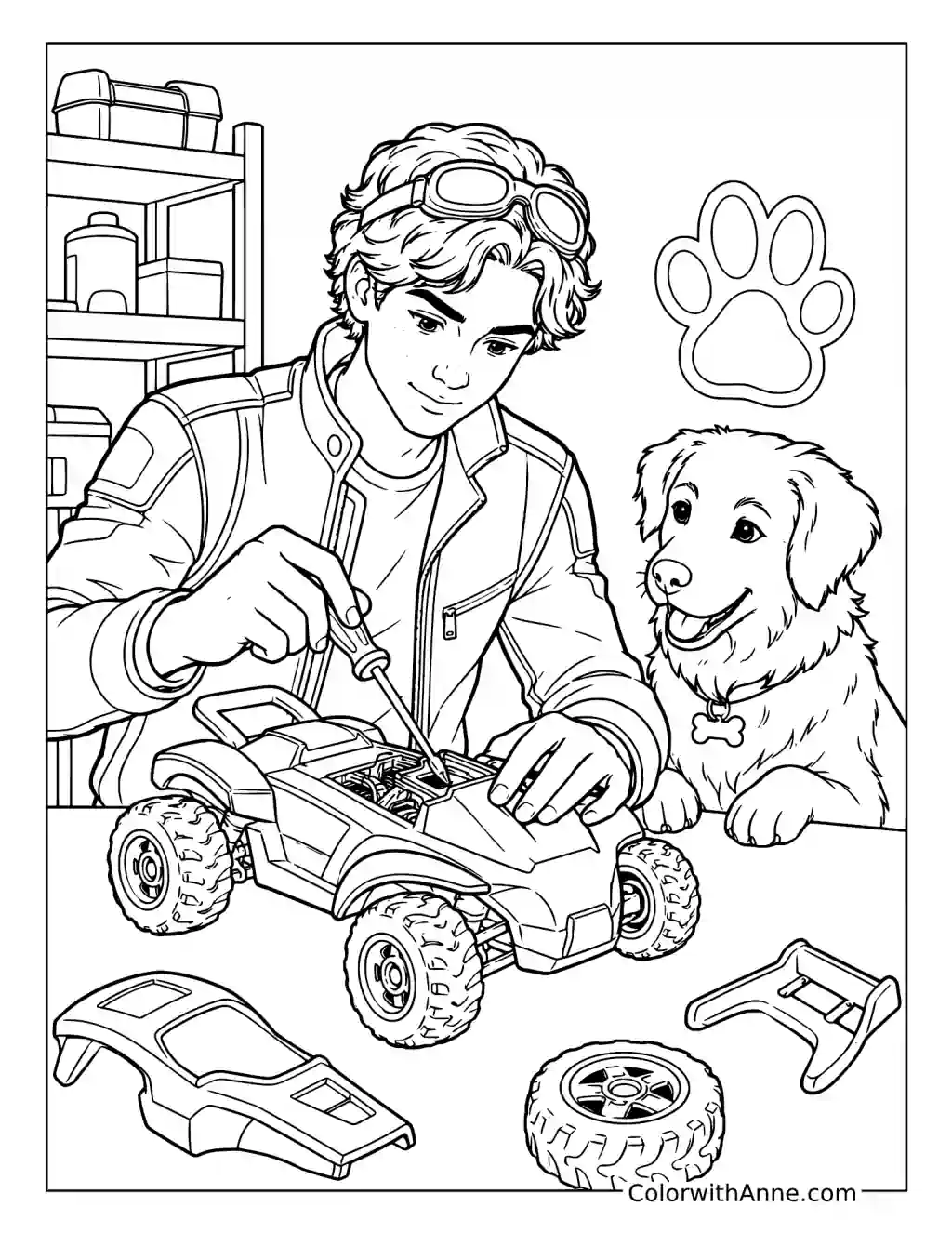
Plan a Paint Job for the Workshop
The screwdriver is already at work on the toy off-road vehicle, and loose parts sit nearby. Before coloring the shelves or the dog’s fur, decide what this little vehicle should look like when the repair is finished. A bright orange body would give it the air of a much-loved toy ready for another outing.
Use the same body color on the detached panel so it looks ready to rejoin the vehicle. Give the loose tire the same treatment as the mounted tires, following their tread shapes as you go. A replacement part could deliberately have a different color. Leave that one mismatched panel as a small sign of your imagined repair.
Dress for an Occasion You Would Enjoy
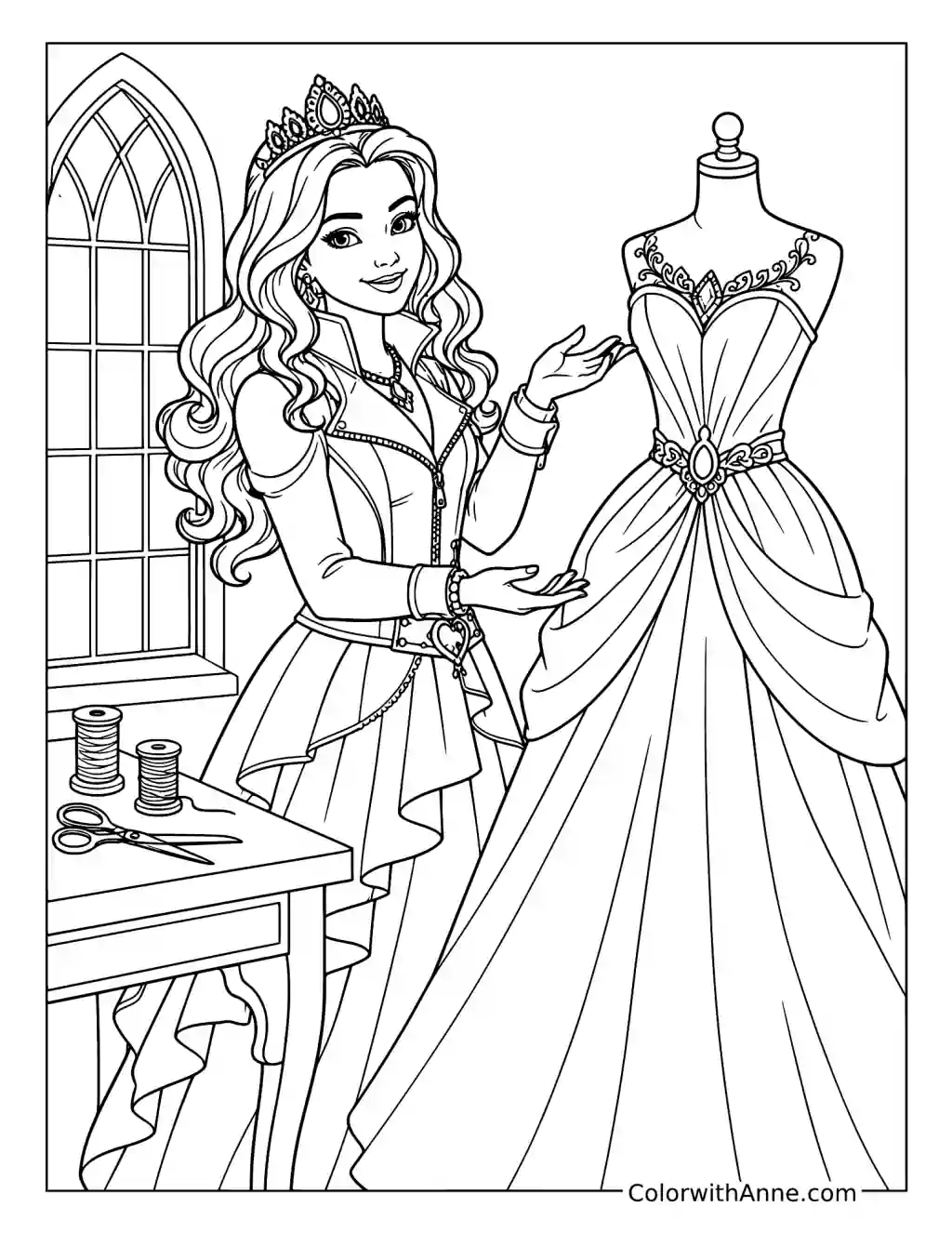
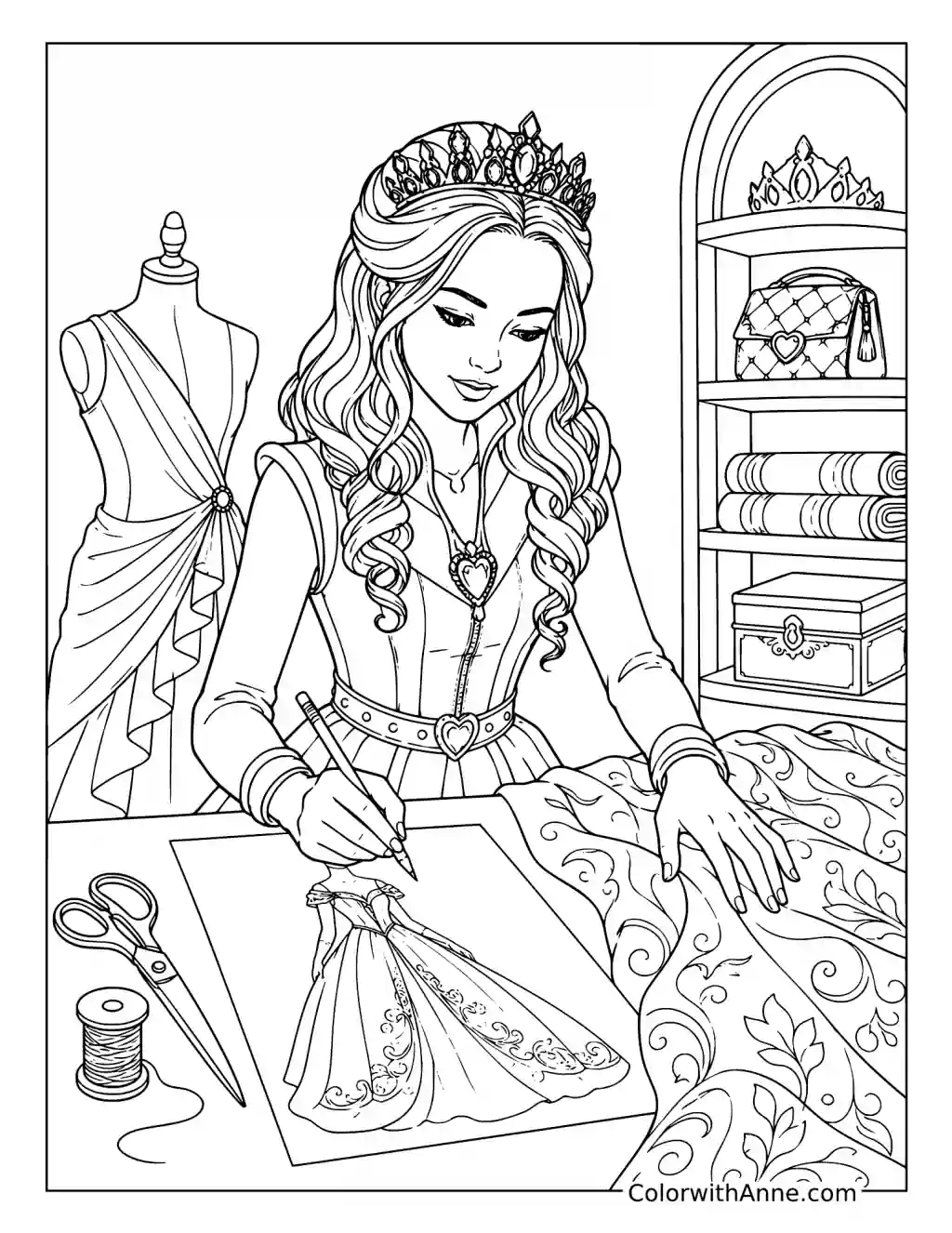
A woman gestures toward an ornate gown on a dress form, with thread, scissors, and fabric nearby. It has the feel of the moment when someone steps back and asks, “What do you think?” Give yourself the final say on the dress by choosing an occasion for it.
Perhaps it is destined for a candlelit dinner, or perhaps you would wear it to a birthday lunch simply because you could. Let that imagined outing guide the fabric and ornament: deep blue with pale trim, or cheerful coral with golden details. Color a nearby spool to match the main fabric, then echo one decorative color in the presenting woman’s jewelry.
Keep the Navigator’s Route in View
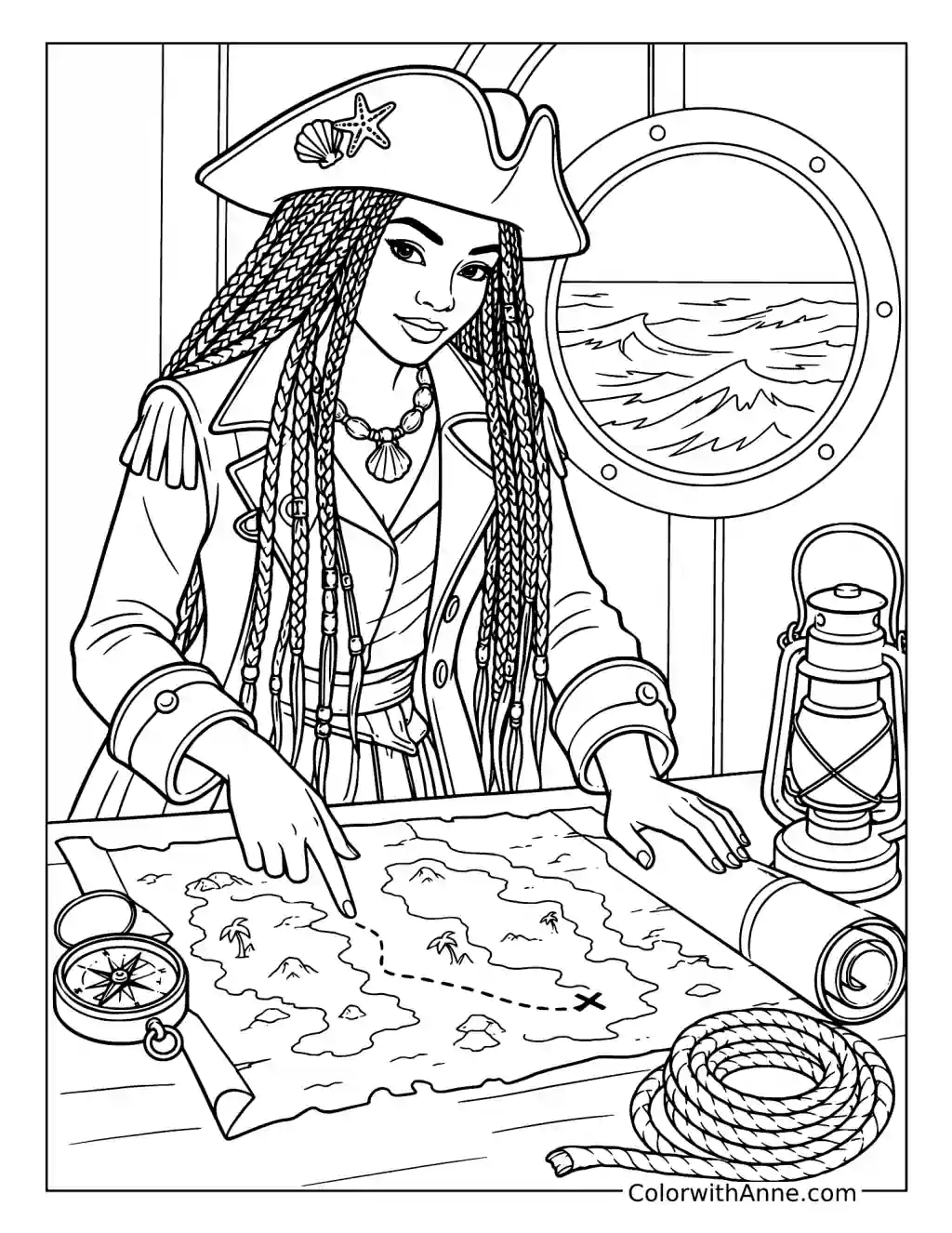
The navigator’s pointing hand draws attention to a map with a dashed route and an X. There is plenty on the table, including a compass, lantern, and coiled rope, but the route deserves to remain easy to follow. Begin by tracing it with your eyes, noticing where it travels across the map.
Give the map a light cream or sandy wash of color, keeping the printed dashes distinct. Use a stronger accent at the X so the destination catches your eye without swallowing the mark. Work outward from the map to the table’s equipment, then the waves beyond the porthole. Keep the open water visible in a clear blue behind the navigator.
Bring Your Team Colors to the Hurdle
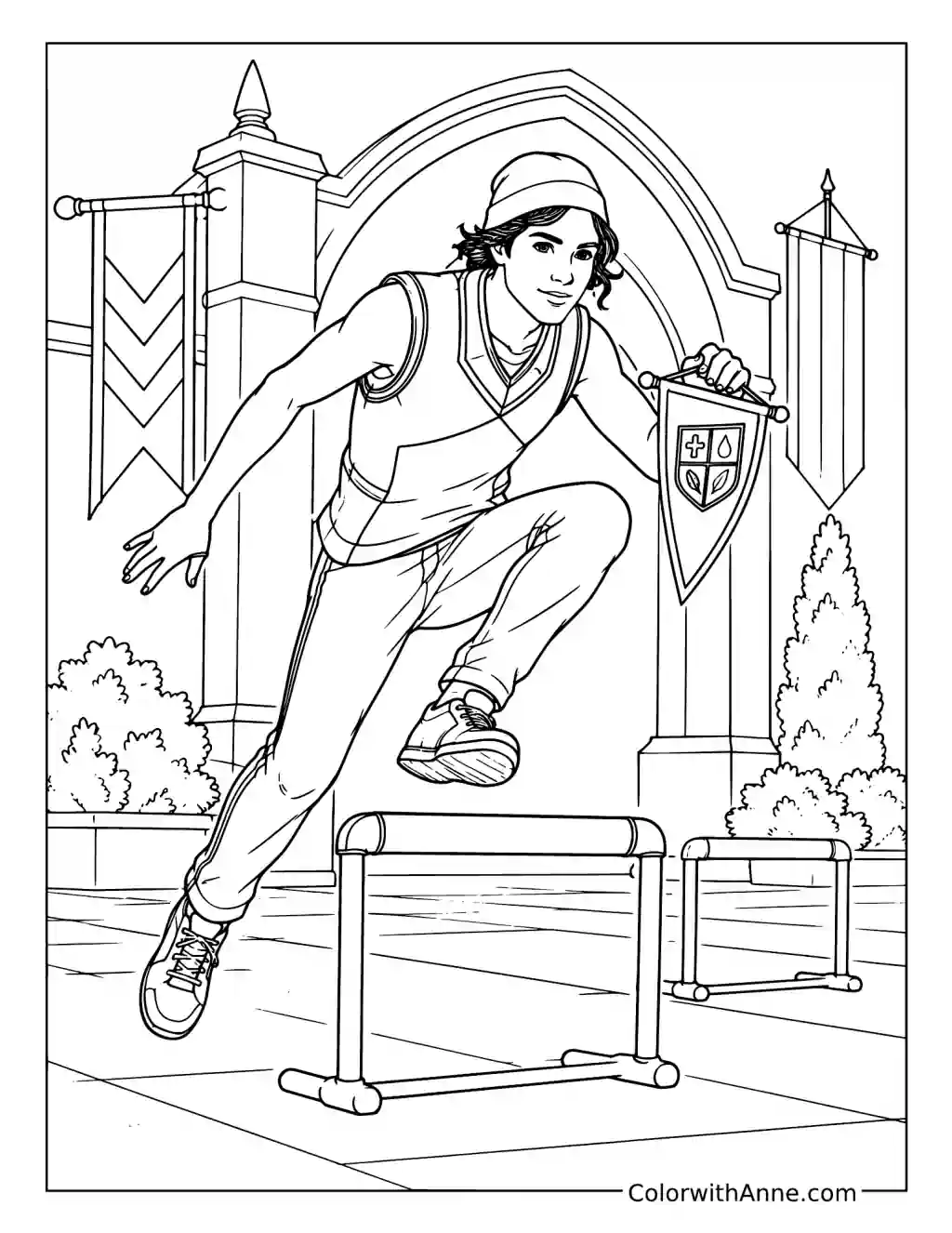
An athlete clears a hurdle while holding a pennant, with more flags around the castle entrance behind. The picture already has the makings of a sporting occasion. You can give it the colors of a team you follow, a club you belong to, or an entirely imaginary courtyard competition.
Start with the carried pennant, then repeat its main color on the athlete’s shoes or clothing. Use a second team color for selected background flags so the entrance feels dressed for the same event. Keep the hurdle distinct from the outfit; you want to see that gap between athlete and obstacle. Finish with the pennant held aloft, bright enough to spot across the room.
Let the Swirling Dragon Stay Airy
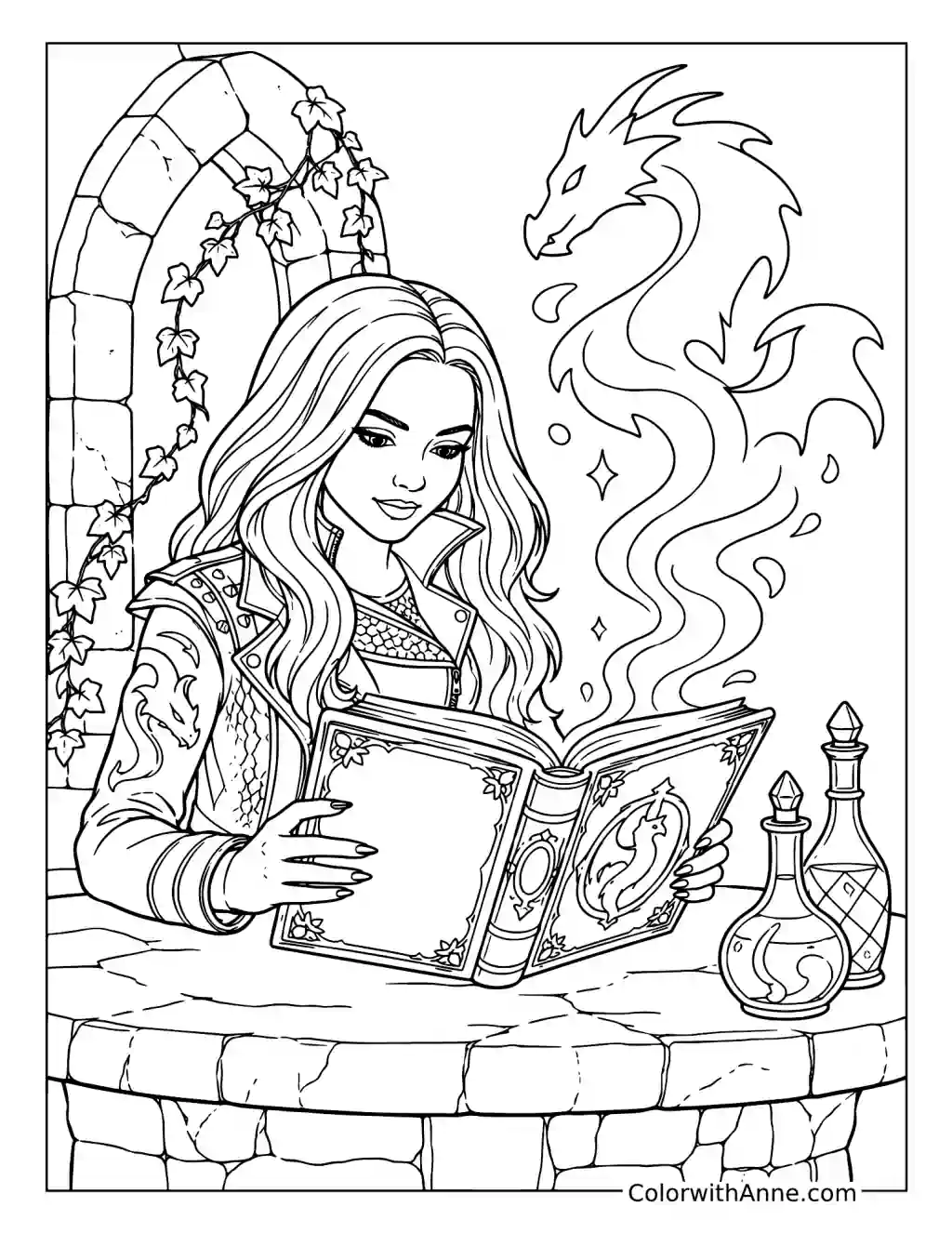
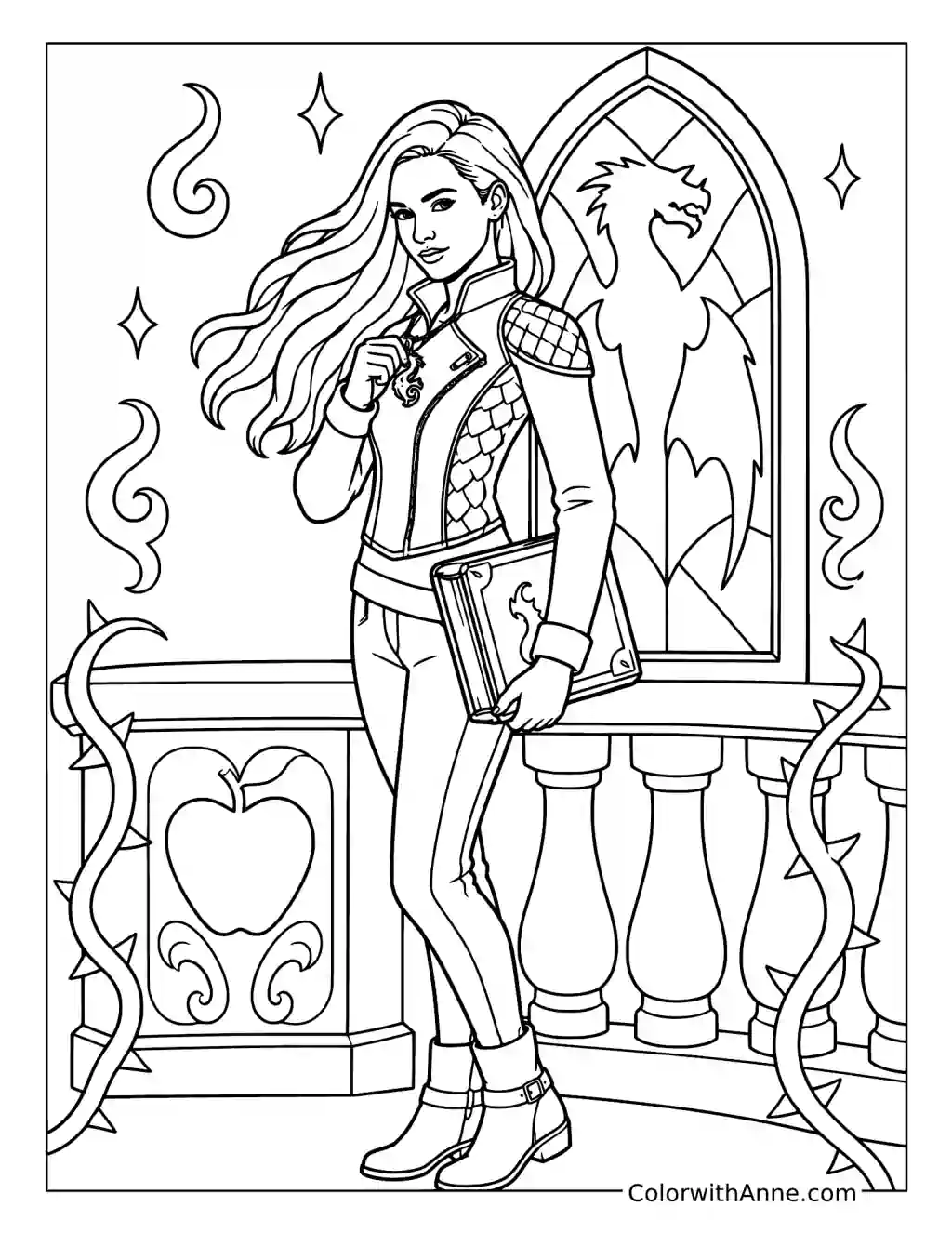
Above the open ornate book, curving lines form a dragon-like shape. The surrounding stone table and archway give that swirl something solid to float against. This is a good place to let some white paper remain part of the finished picture instead of filling every enclosed space.
With a colored pencil, lightly follow selected curves in lavender or turquoise, easing the pressure as each sweep ends. Leave gaps between the colored areas so the shape keeps its airy appearance. Give the book’s borders a firmer application of the same color, then use muted stone tones around the arch. Stop the strongest color at the book, with only faint traces curling upward.
Choose the Ballroom’s Next Song
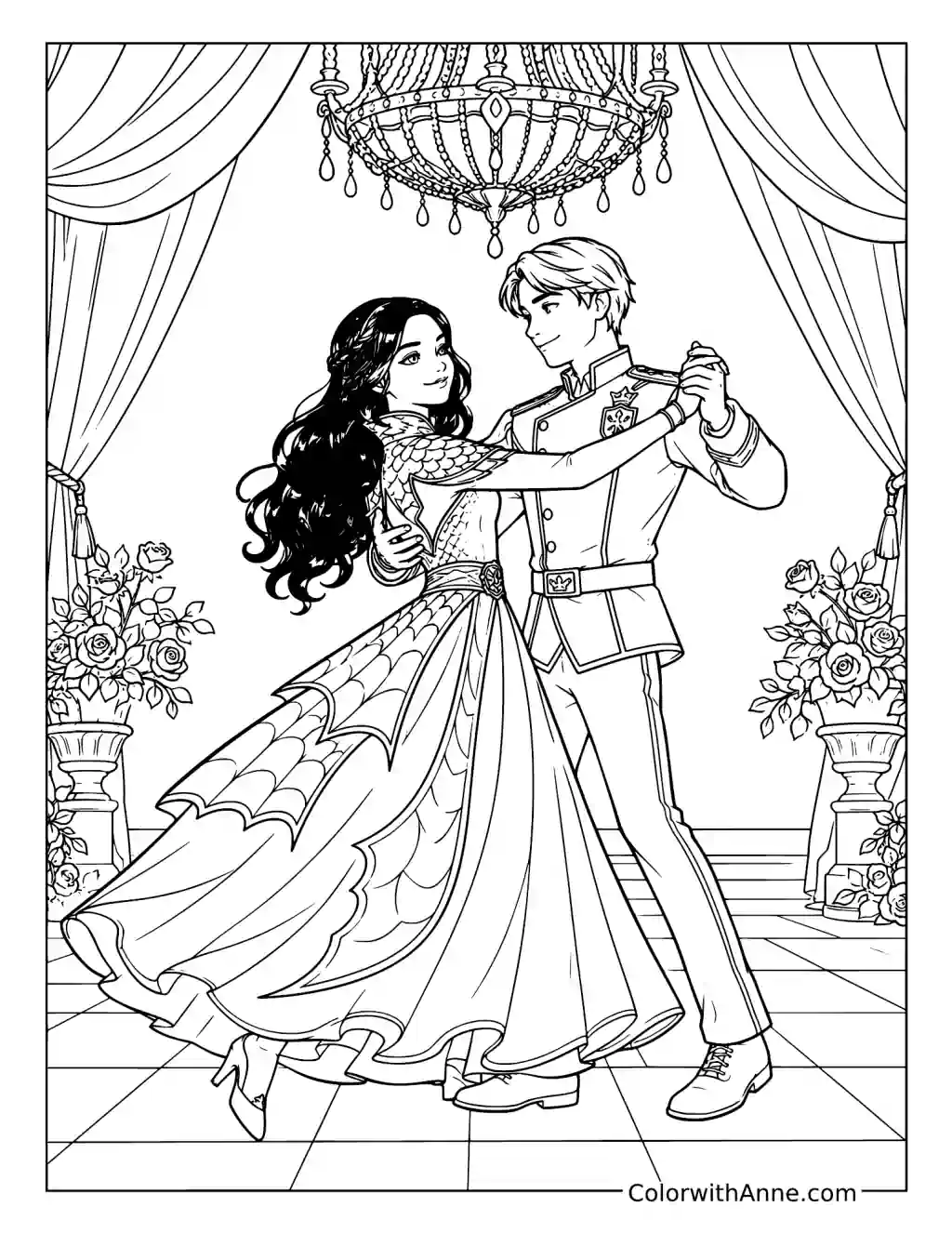
The couple hold hands beneath a chandelier, framed by draped curtains and roses. Before deciding on the gown, put on a song you would choose for this dance. It might suggest a quiet evening with soft colors or a much livelier celebration with a bright dress at its center.
Follow the gown’s scalloped panels as you color, noticing how their shapes sit around the dancing figures. Keep your imagined music in mind when you reach the curtains and flowers: pale roses could suit a gentle song, while vivid ones could make the room feel festive. Leave a few chandelier beads white, like little points of light above the dancers.
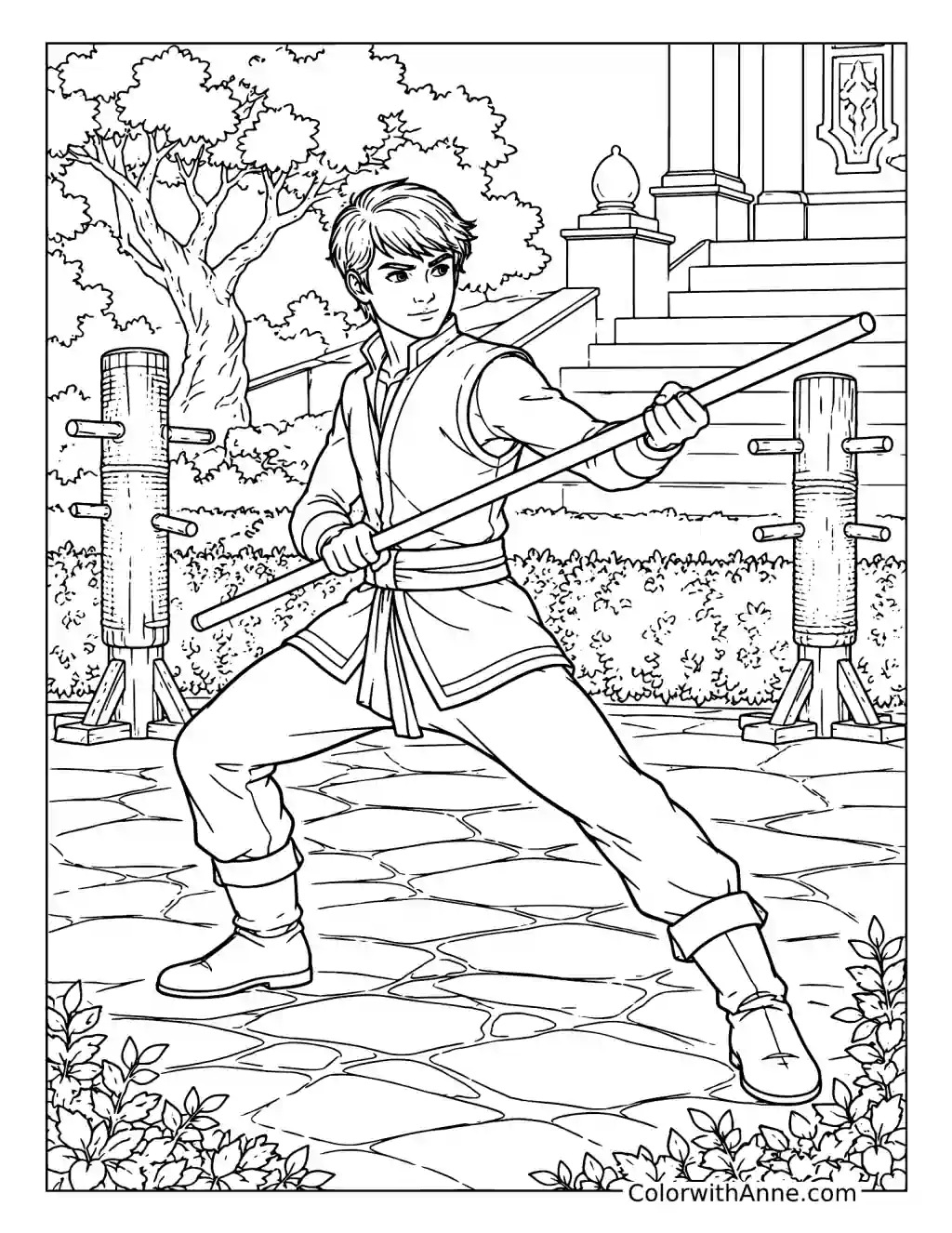
Make the Training Courtyard Feel Solid
A wide stance and a long staff give this courtyard scene its action, but the wood and paving give it weight. Look at the grain in the two training posts and the divisions between the stones. Treating those surfaces differently can make the practice area feel more like a place someone could stand.
Follow the printed wood grain with strokes running along the posts. On the paving, use broader, flatter color, allowing neighboring stones to vary slightly in warmth. There is no need to give every slab a different shade. Color the staff in a wood tone that remains visible against the clothing, then add green around the courtyard’s edges where the shrubs and trees soften the masonry.