
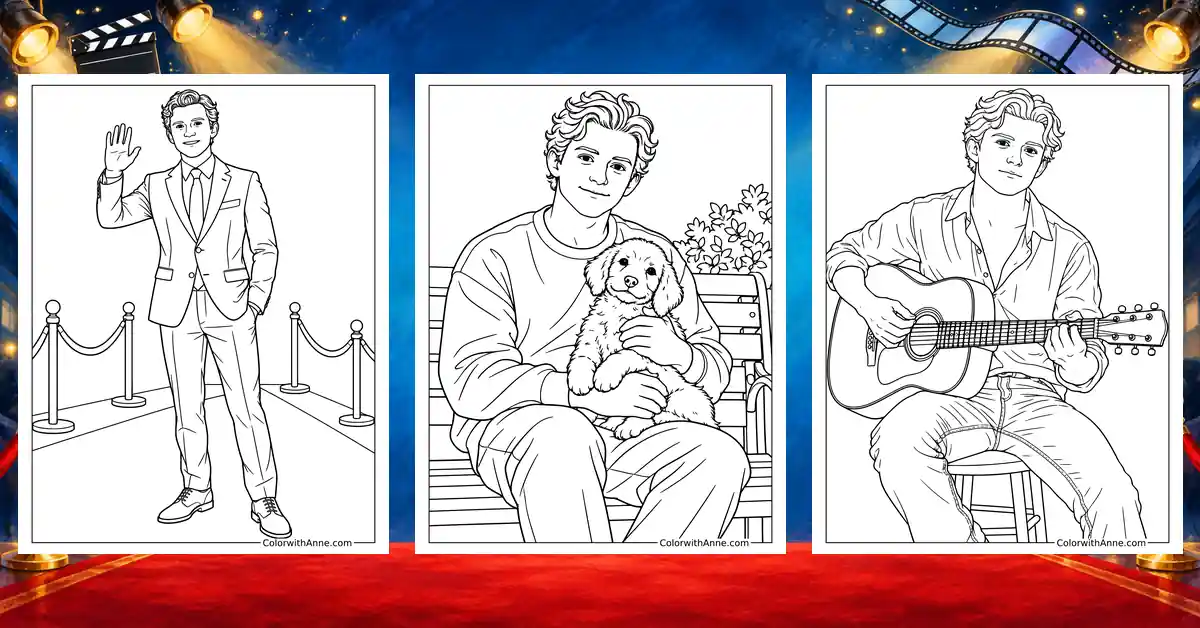
Tom Holland can swing through a Spider-Man scene with convincing confidence, then appear in an interview looking thoroughly amused by himself. That easy shift is part of his appeal. Behind the superhero suit is an actor whose expressive face can make a small reaction as memorable as a big action sequence.
For someone browsing Tom Holland coloring pages, the attraction may begin with Peter Parker but extend well beyond the role. A familiar smile brings back a favorite interview or a film watched with friends. There is room for both the movie-star admiration and the affection for someone who seems approachable.
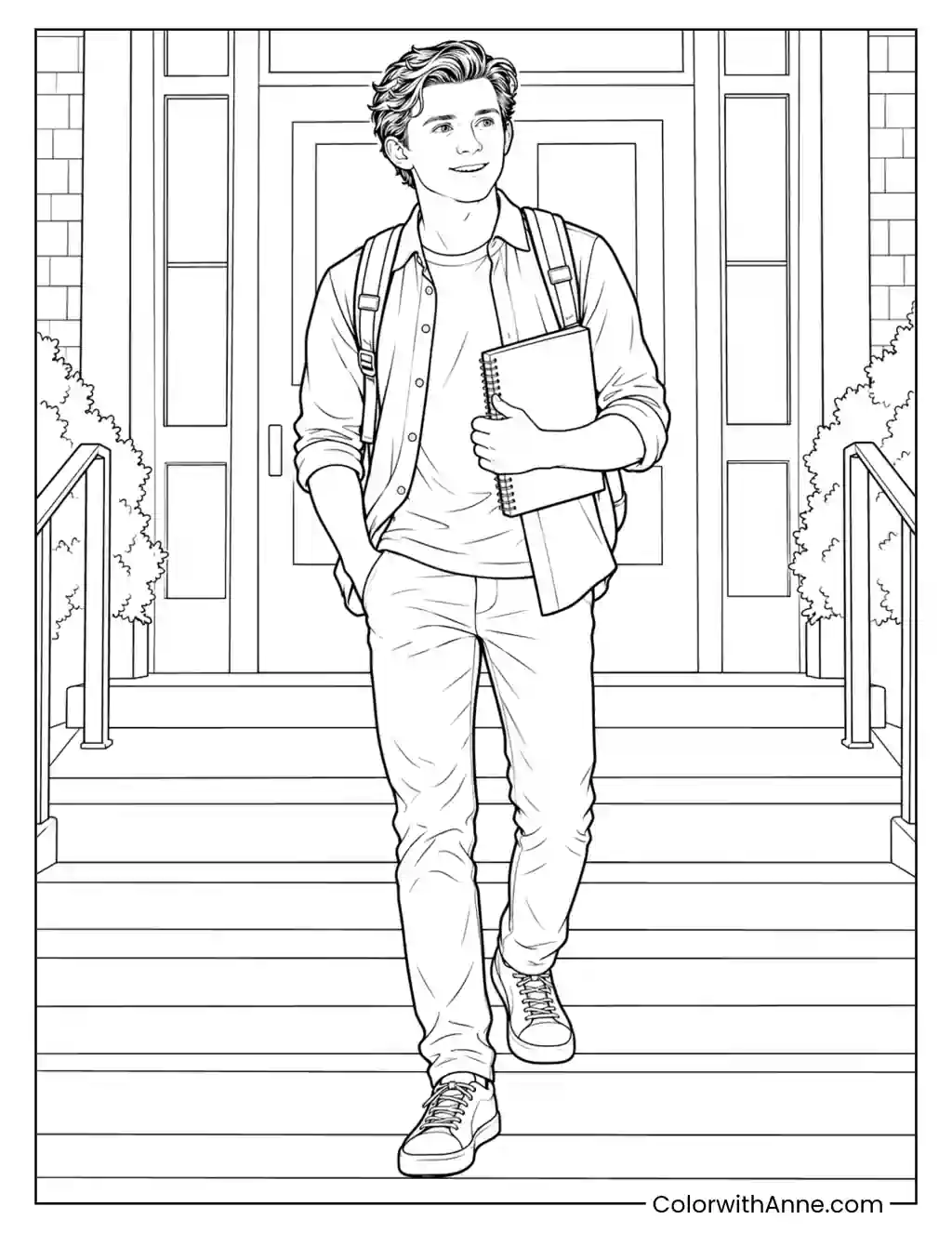
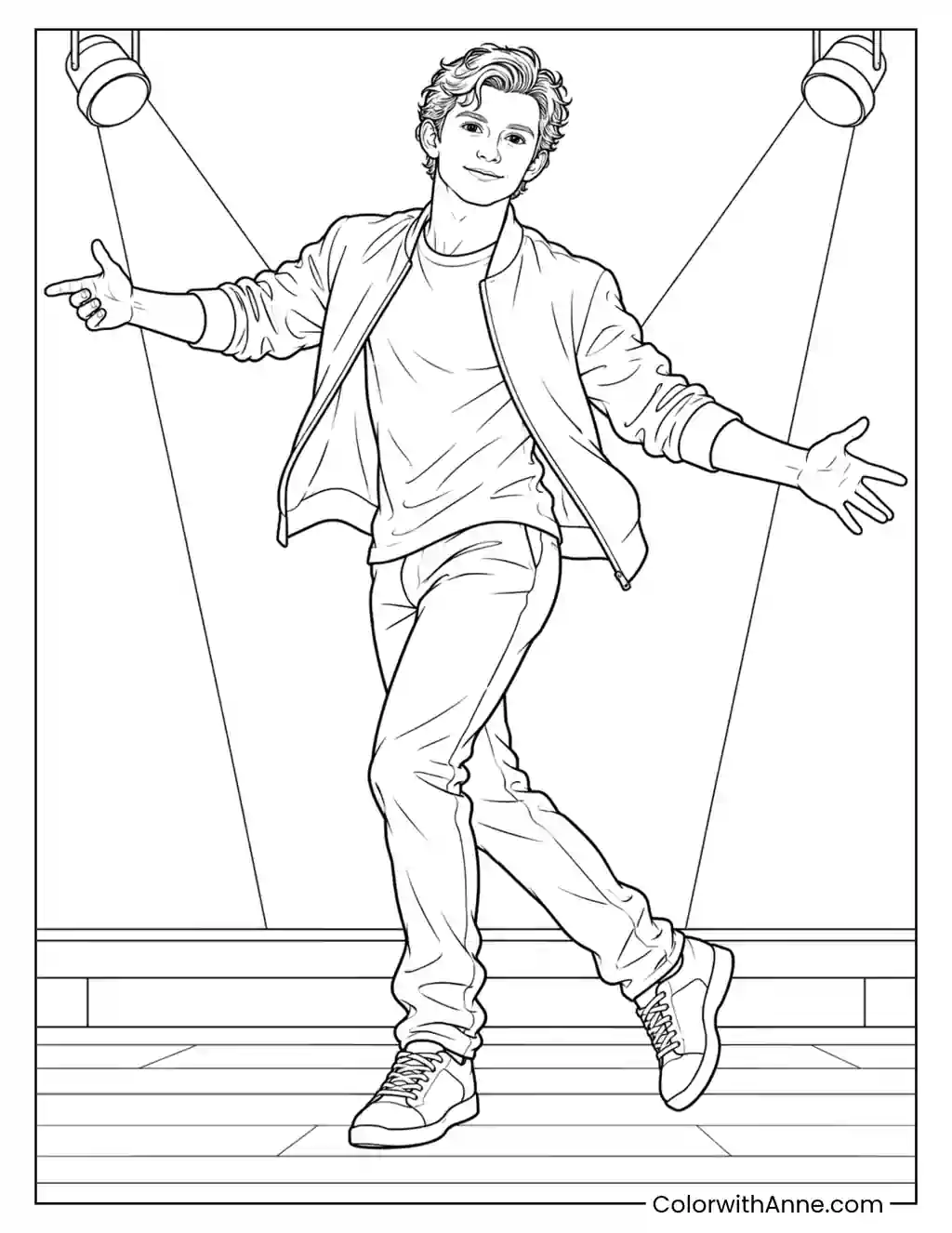
Free Printable Tom Holland Coloring Pages
Click any coloring page below to open the PDF, then print on US Letter or A4 paper.
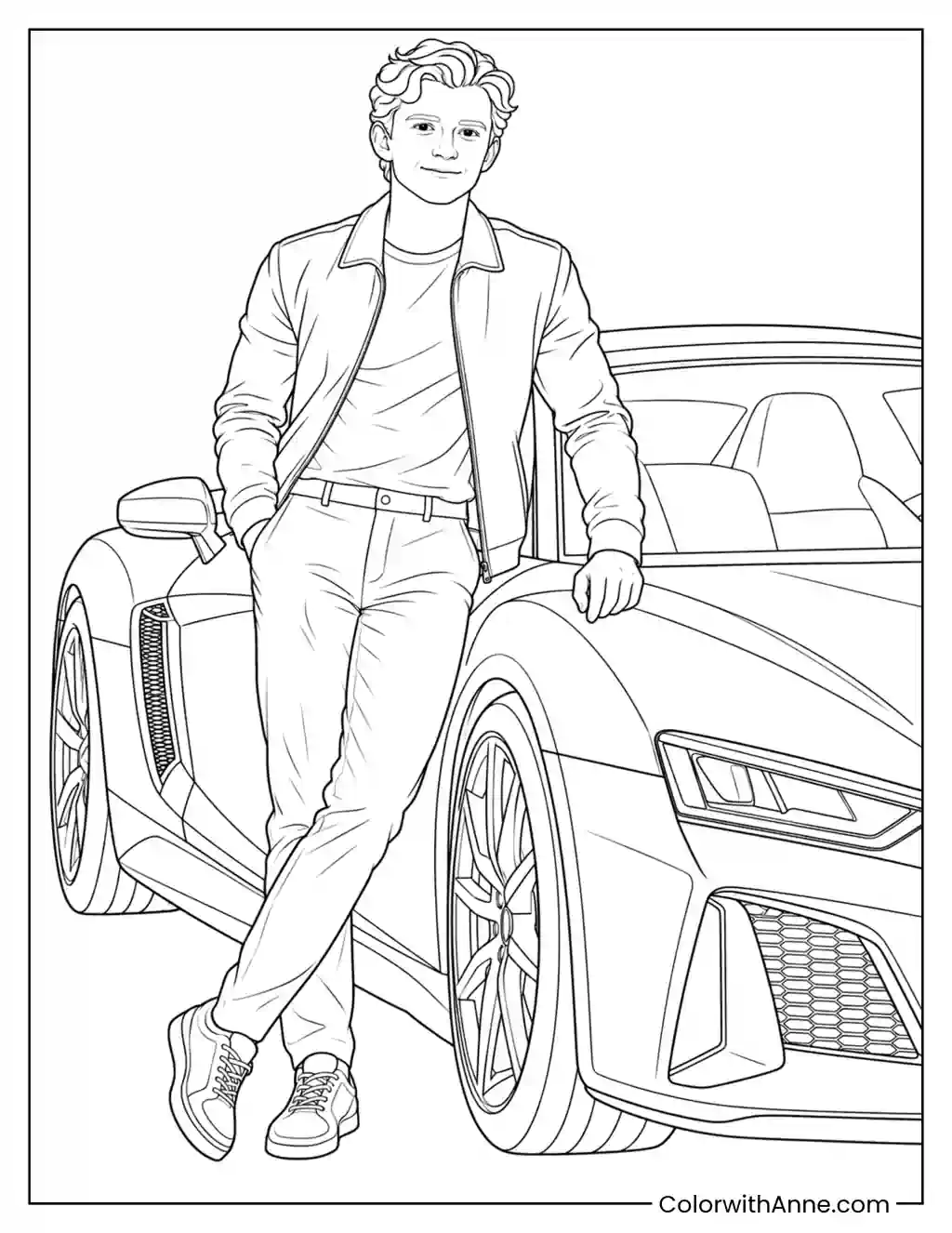
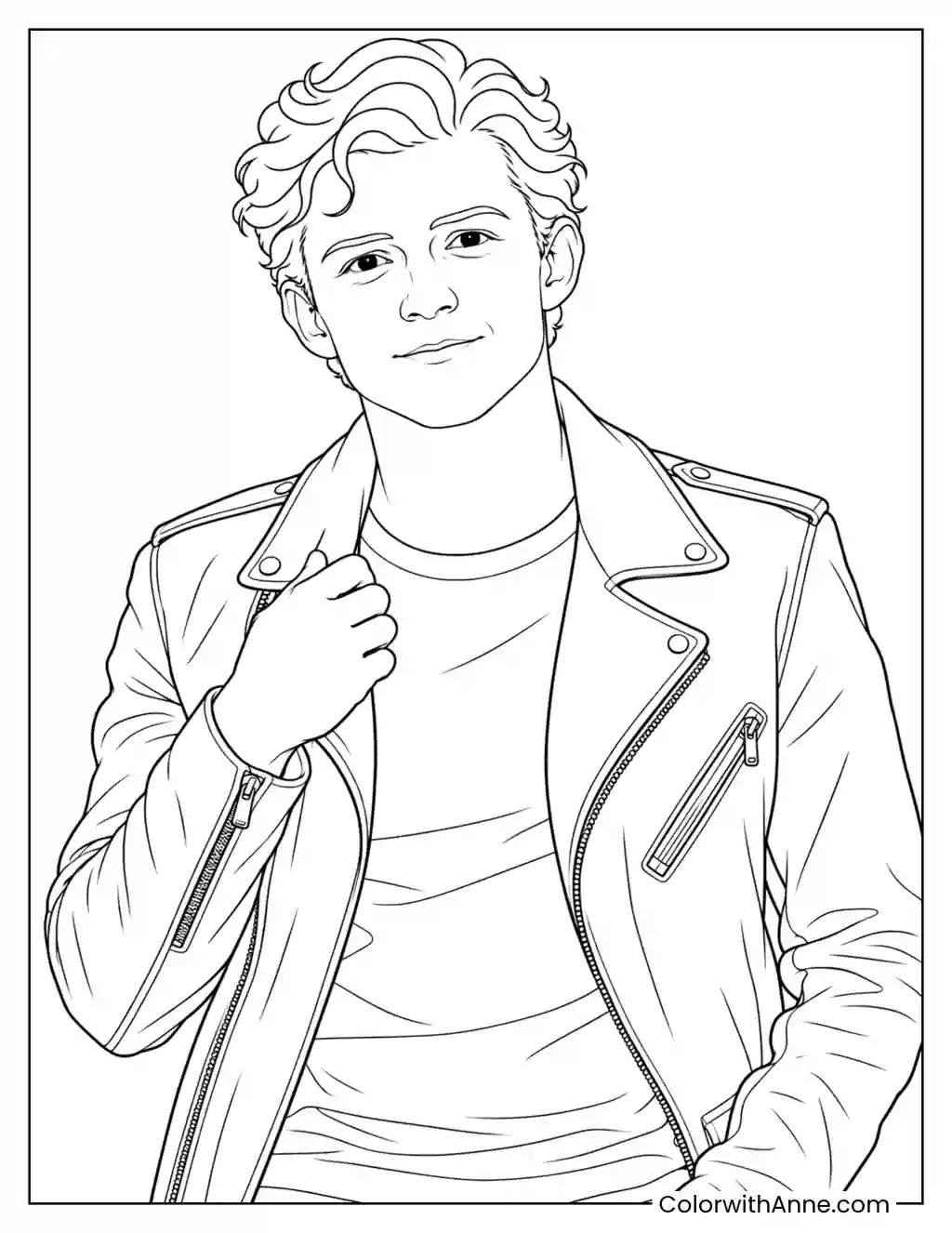
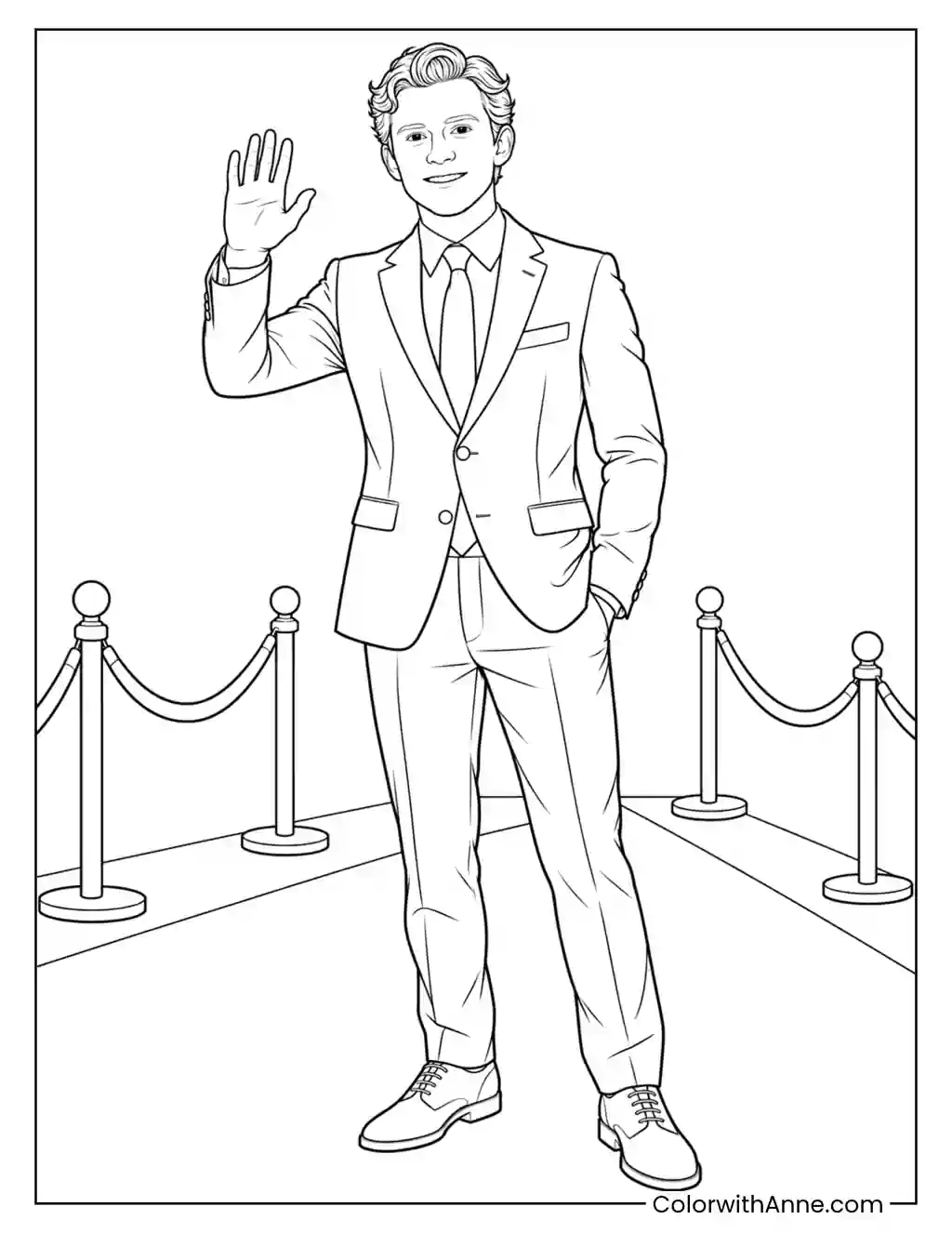
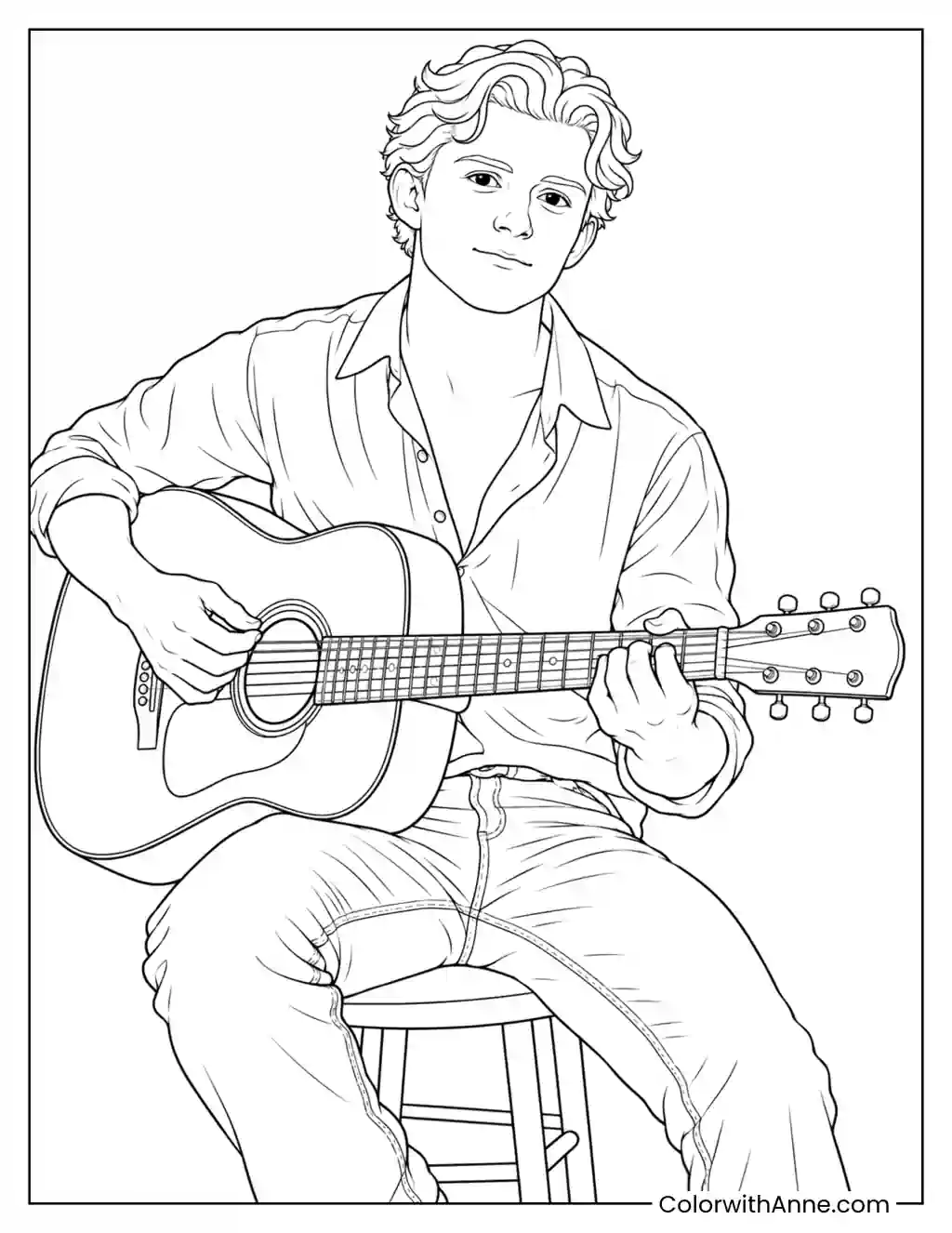
Did you find what you needed?
Help us choose what to create or improve next.
Coloring Ideas for Tom Holland Pages
Try these creative ideas to make the most of your coloring sheets.
Let the Popcorn Portrait Choose Movie Night
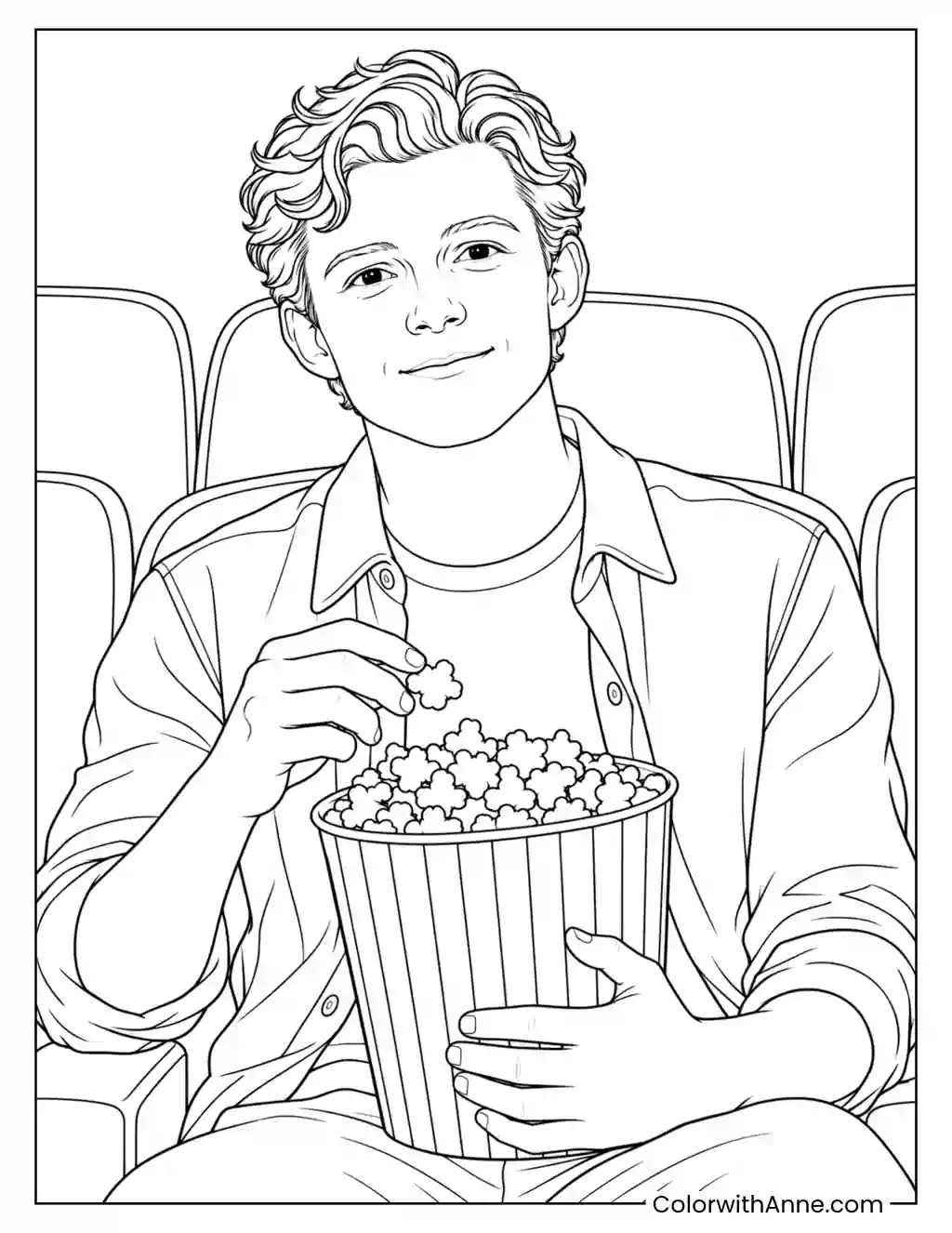
Tom is seated with a striped popcorn tub, looking ready for the film to begin. This picture belongs somewhere near an actual movie-night decision.
Set it beside slips of paper with each guest’s film choice and a sentence explaining the pick. Read the suggestions before voting; a favorite performance or an overlooked scene makes a better argument than simply insisting. The winning title can go beneath the colored portrait, with the date on the reverse. Keep the sheet if movie nights become a regular event, and let the next host make the next selection.
Write the Scene Waiting on the Director’s Chair
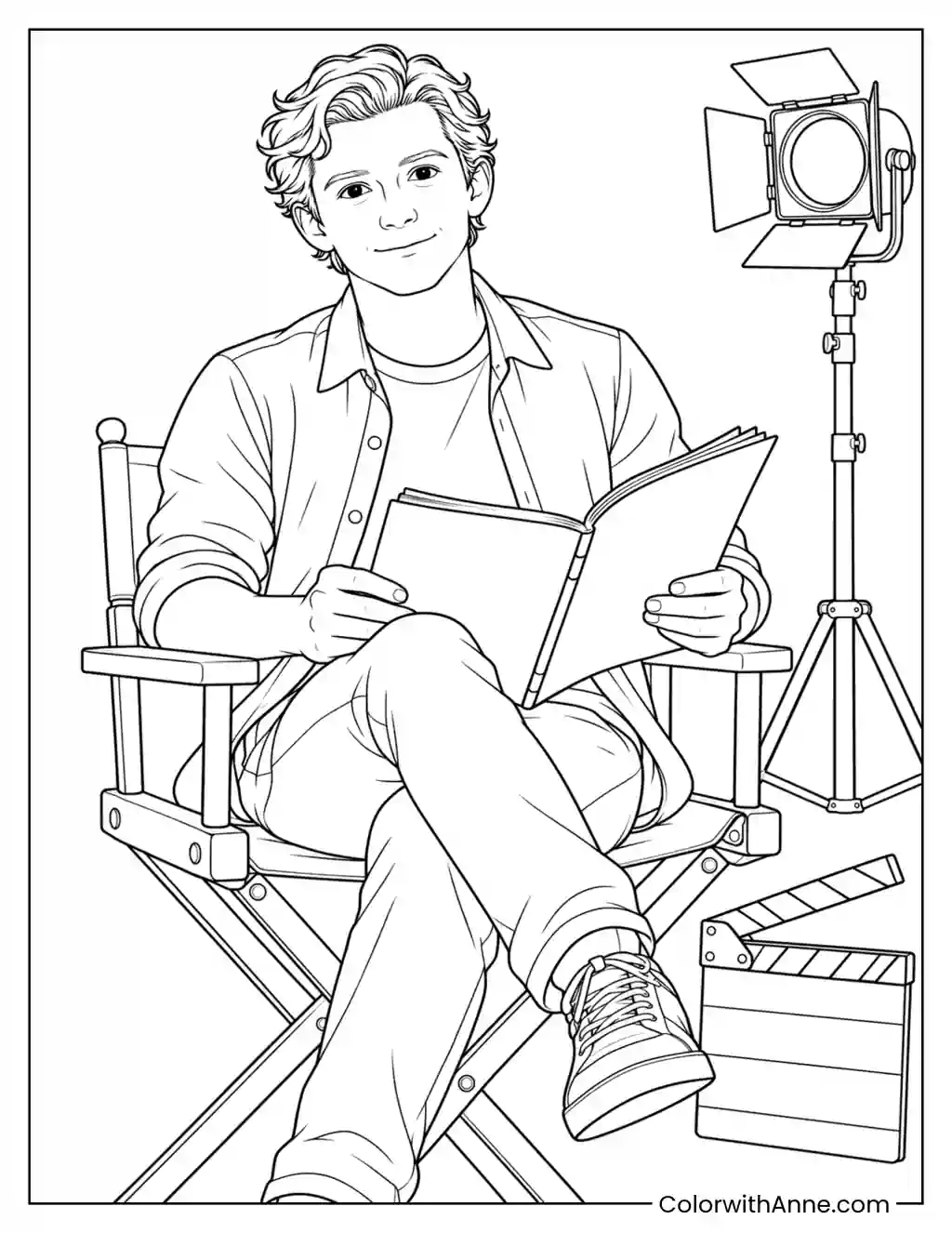
The open script, director’s chair, studio light, and clapperboard make this an imagined working moment on a film set. What is on those pages is yours to decide.
Write a short fictional scene for two characters, starting with an ordinary problem that becomes awkward: a missing key, a mistaken delivery, or somebody arriving much too early. Read it aloud with a friend and change any line that feels unnatural to say. The colored picture can become its cover, with the scene’s title beneath it. Keep invented dialogue clearly within your own story.
Give a Fan Journal a Thoughtful First Page
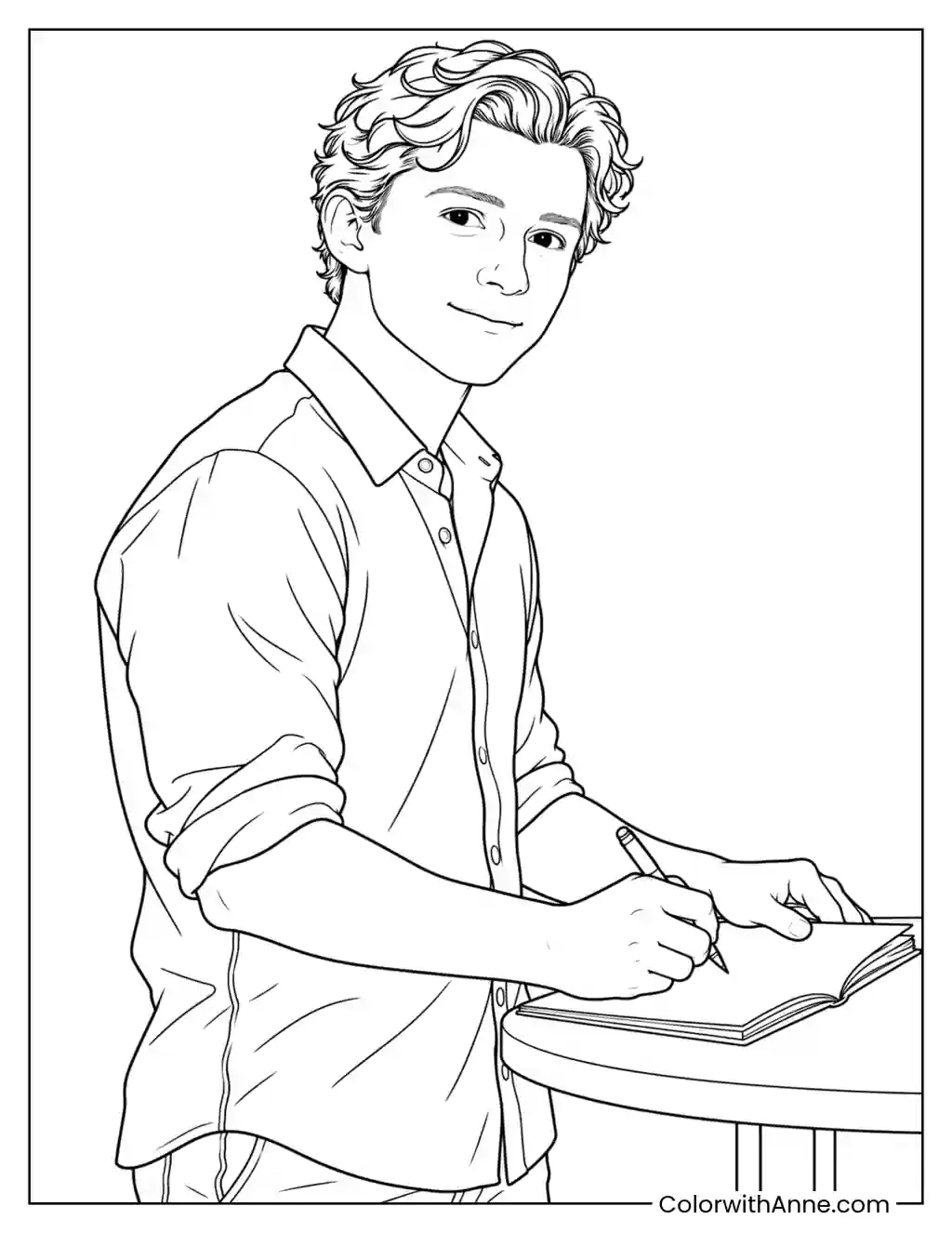
Tom leans over a notebook with a pen in hand. It is a fitting illustration for a place to keep thoughts about performances rather than letting every film blur into the next.
Attach the finished picture inside a notebook cover. After watching something, write about a moment that stayed with you: a pause, an expression, or a scene that changed how a character felt. Some entries might be enthusiastic; others might explain what did not work. Leave room to revisit an opinion after a second viewing.
Put a Friend Beside the Selfie
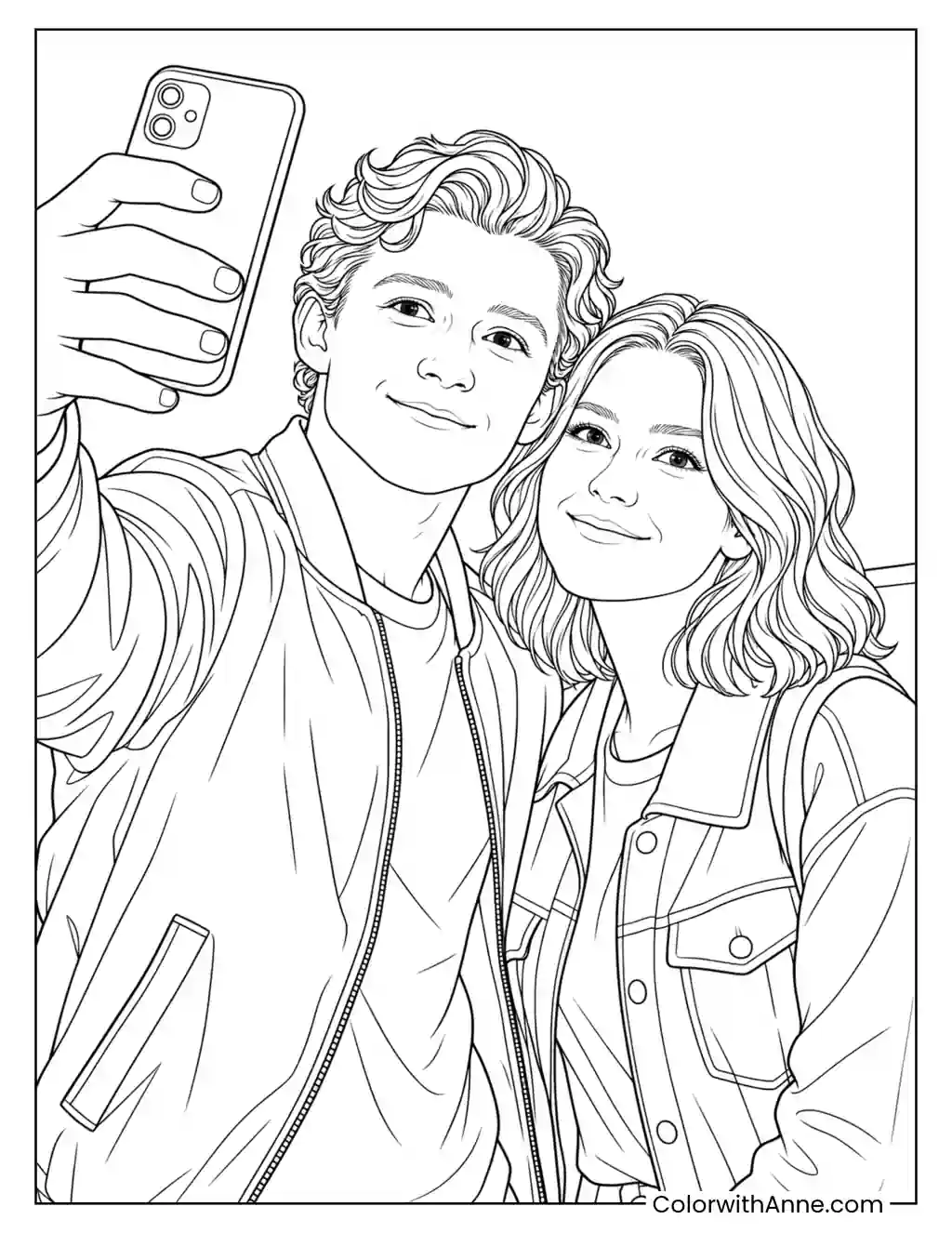
The raised phone and two smiling faces capture the familiar squeeze of getting everyone into a selfie. The second person is unnamed in the title, so there is no need to assign them an identity.
For a fellow fan, mount the colored scene on a scrapbook page beside a real photograph of the two of you. Add a note about the film outing, watch party, or conversation connected to that photograph. Keep the illustration and your own photo visibly separate. A shared memory gives the page more personality than an invented celebrity encounter.
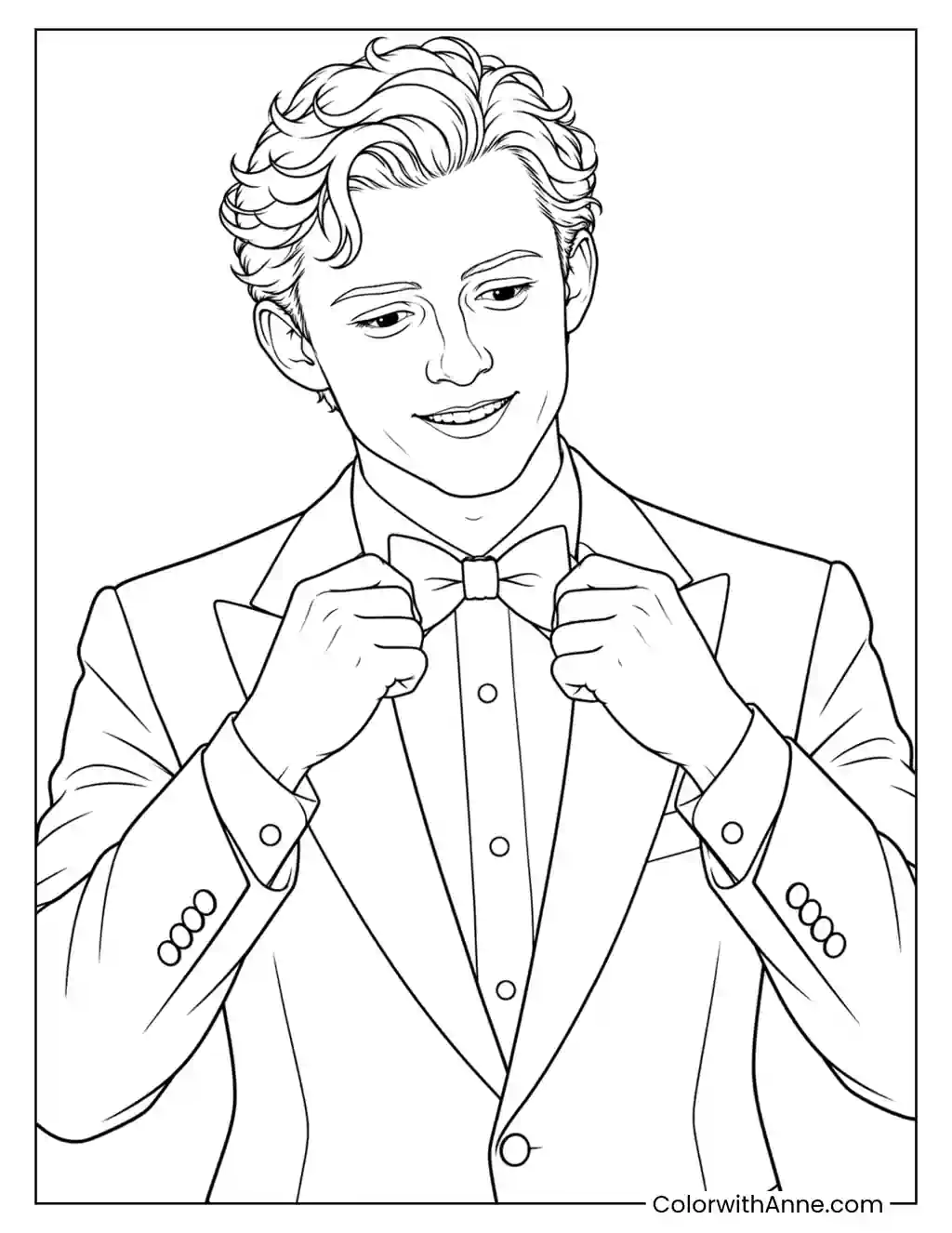
Host a Small Premiere With a Bow Tie
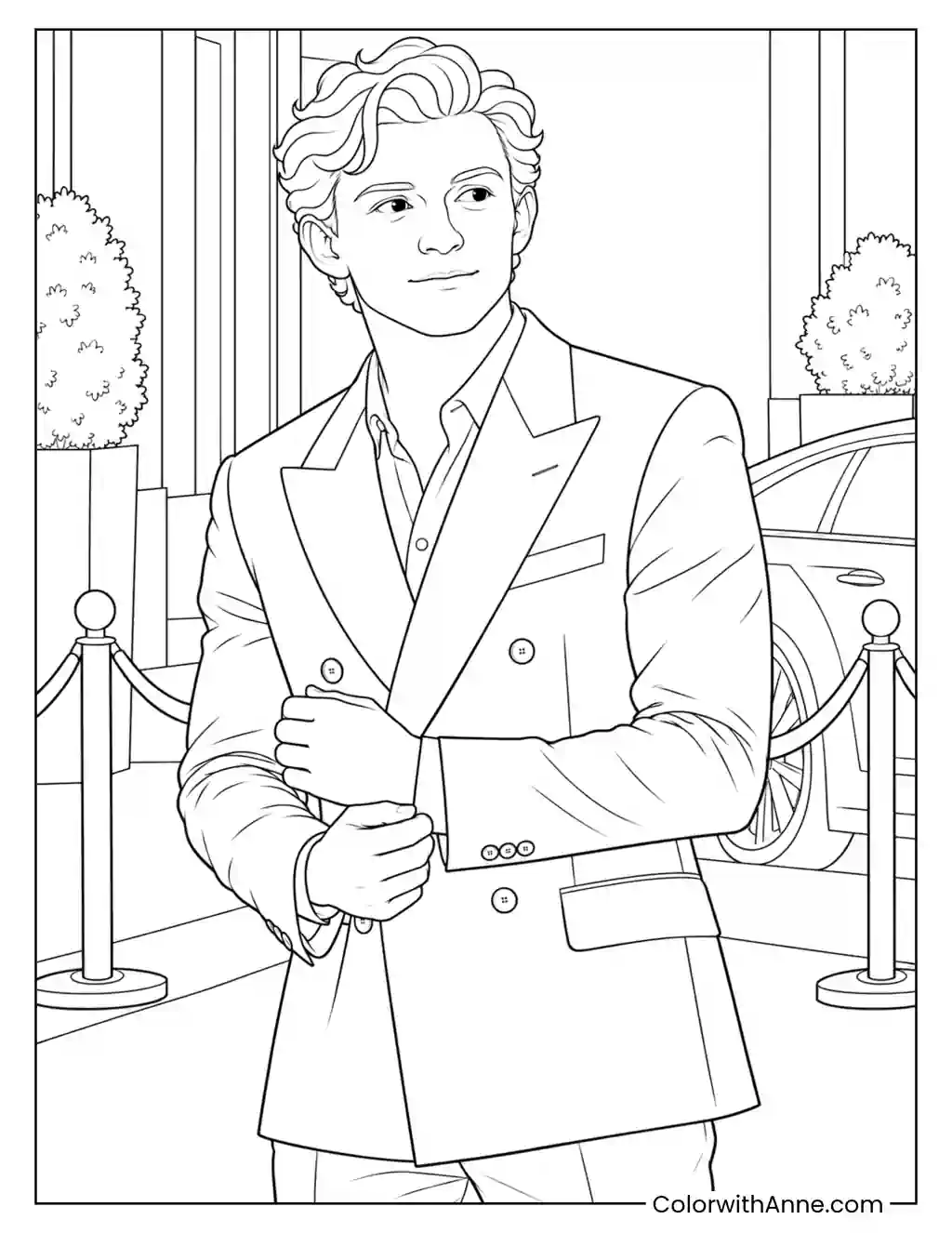
Tom is adjusting his bow tie, caught in that last getting-ready moment before an event. The portrait makes a suitable invitation for a film evening with a little ceremony.
Put the finished picture on the front of a folded card and add the chosen film, arrival time, and dress suggestion inside. Guests might bring one accessory that feels suitably grand, even if it is worn with slippers. A paper runner by the doorway and a quick arrival photograph can establish the occasion before everyone settles down to watch.
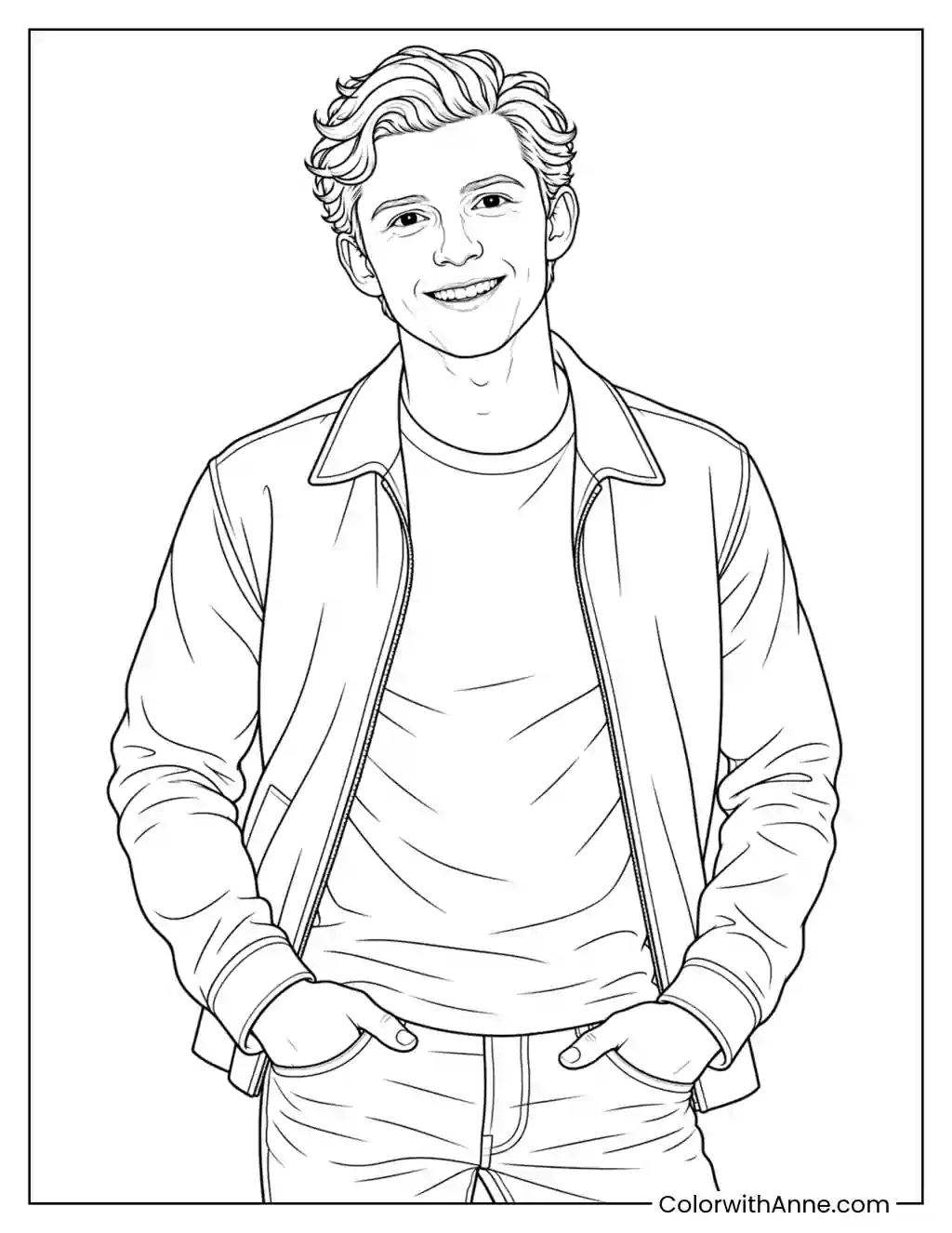
Work Out a Denim Detail Worth Wearing
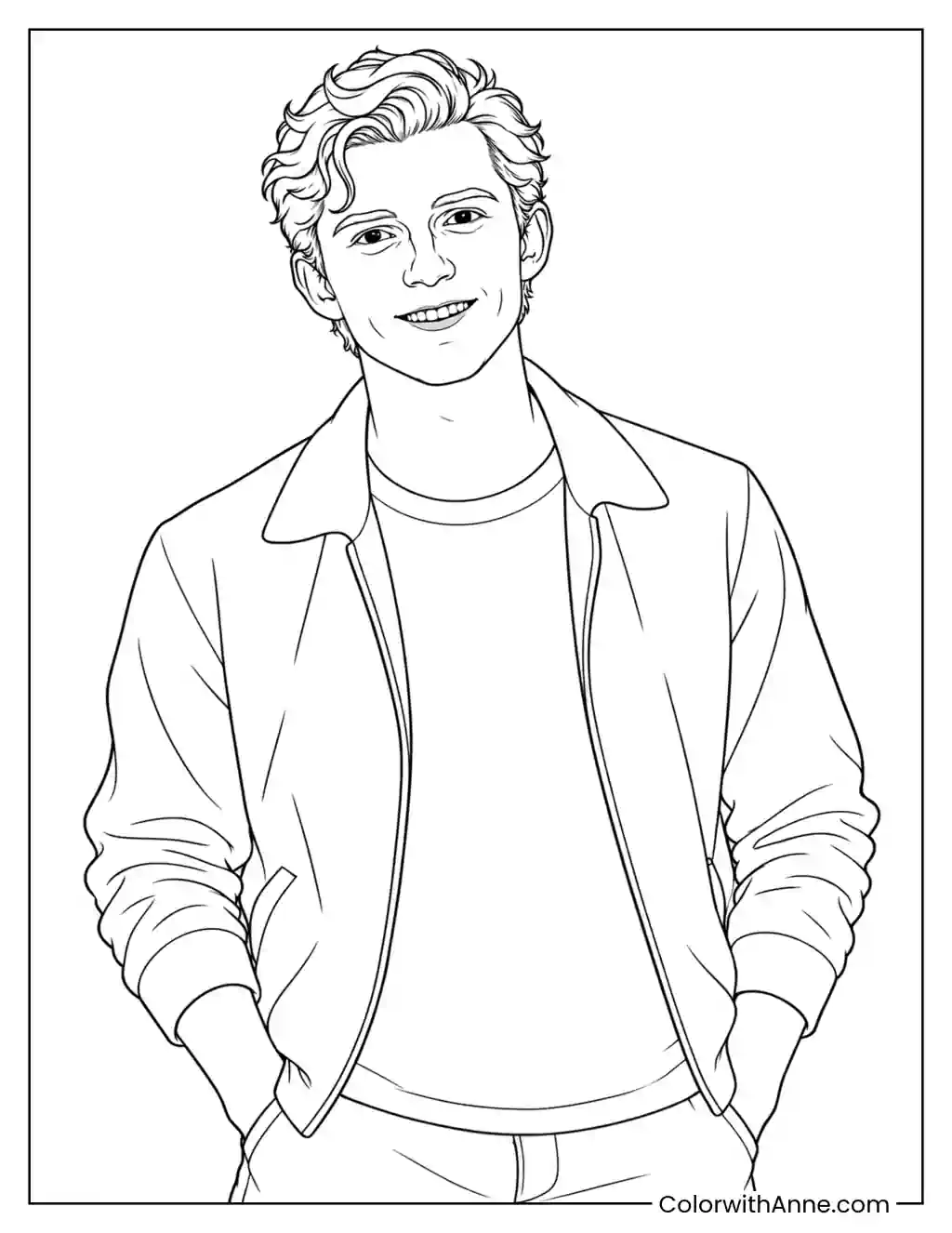
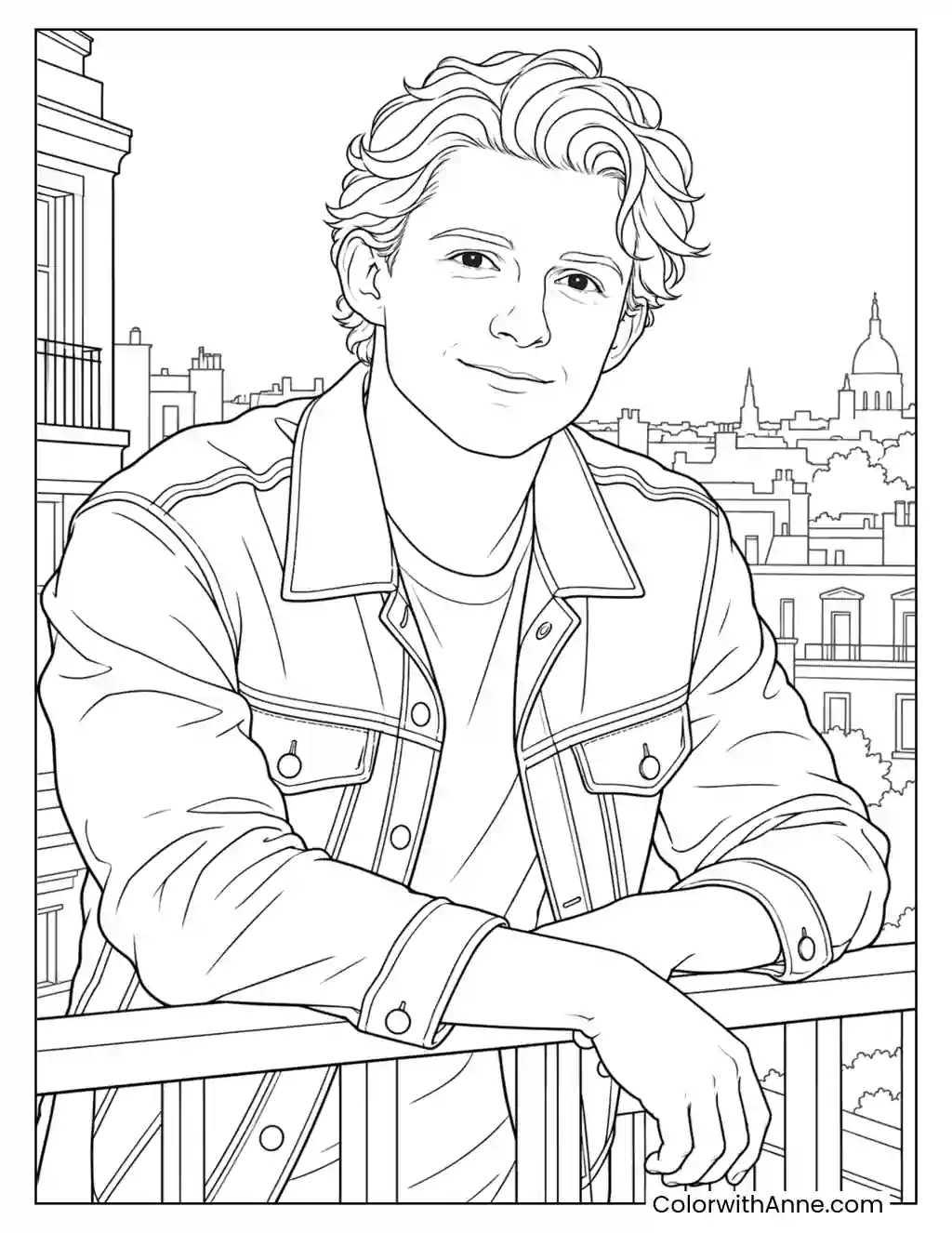
The jacket’s seams and chest pockets give this portrait enough structure for a small fashion experiment. Think about an addition that could plausibly sit on denim.
Sketch a patch on an open part of the illustrated jacket, checking its size against the pocket and seams. A simple symbol will usually read better than a crowded design. Anyone planning a patch for their own jacket can then redraw it at the intended size on paper and hold it against the garment. That quick check helps reveal whether the idea belongs on a sleeve, chest, or bag instead.
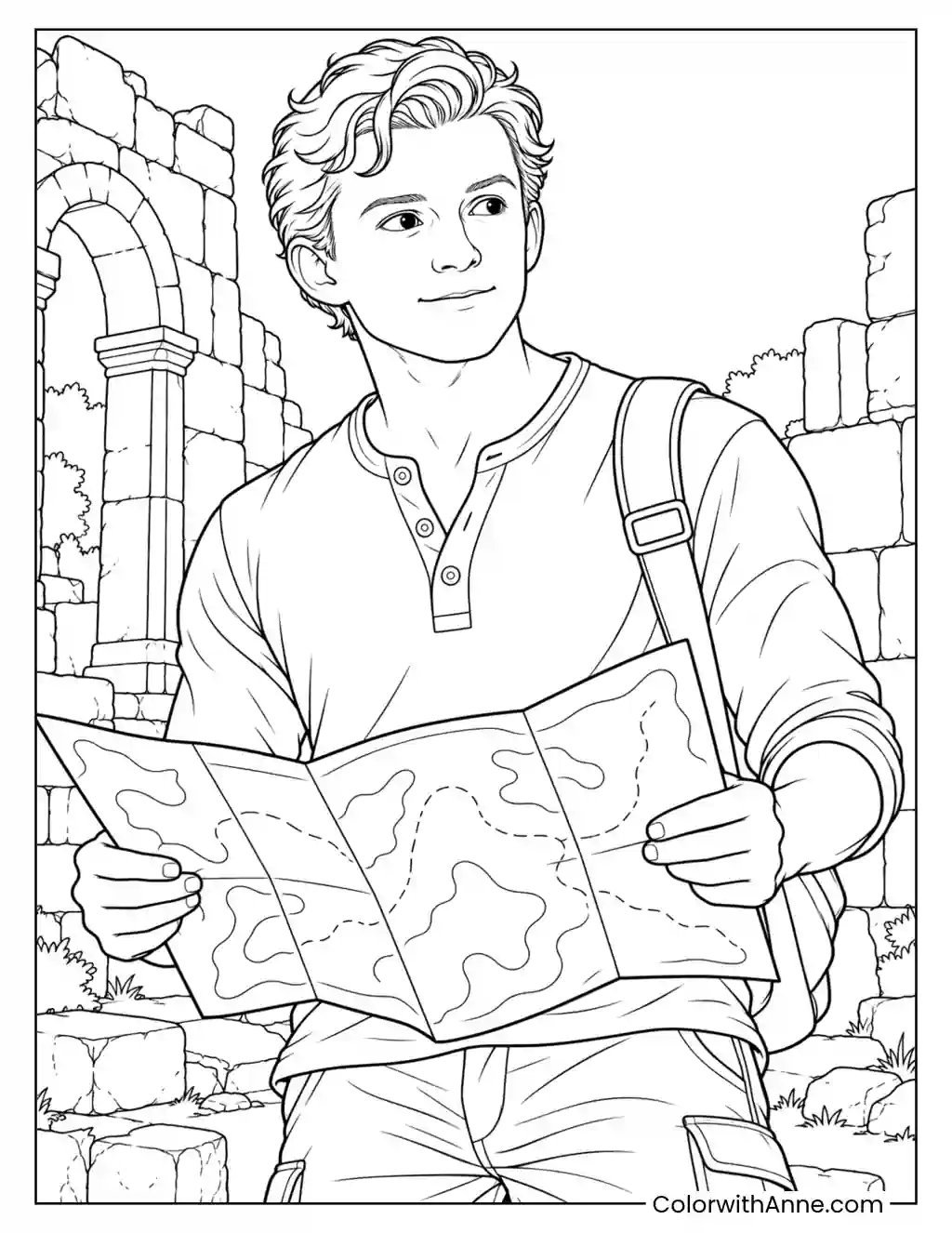
Give the Map a Missing Destination
Tom holds an unfolded map among stone ruins, with backpack straps visible at his shoulders. It looks like the middle of an imagined adventure, before the destination has been settled.
On another sheet, draw the map he might be studying. Include a landmark taken from the ruins in the picture, then add a route and something that complicates it. Perhaps a passage is blocked, or two similar entrances lead to different places. The map and colored scene can sit together as a pair of illustrations for an original adventure story.
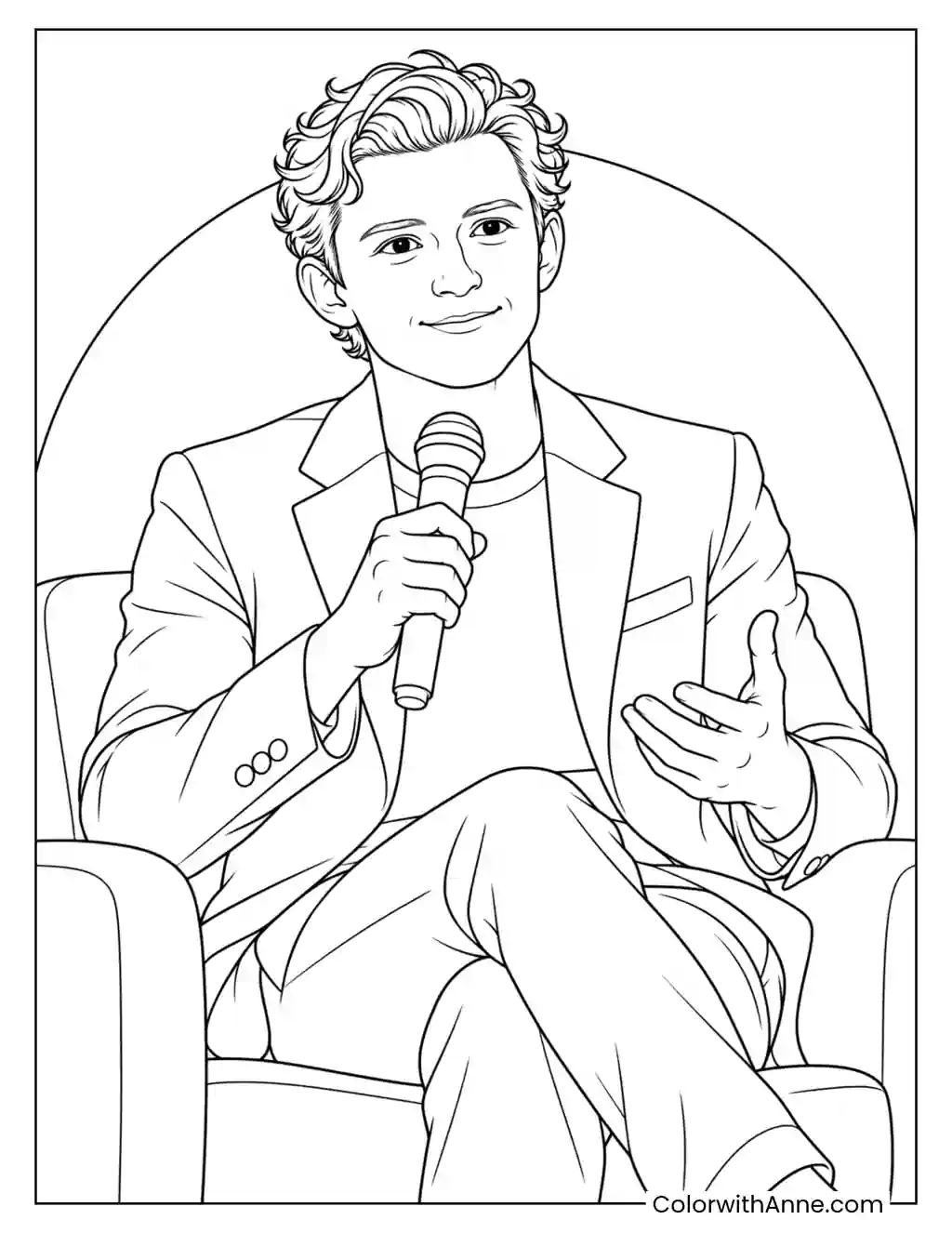
Ask a Question That Would Get Past the Usual Answers
The microphone and open-handed gesture suggest an interview in progress. Instead of supplying an invented answer, use the portrait to develop a question worth asking.
After watching a performance, write a question about one specific scene: how its movement was worked out, why a reaction was played quietly, or what changed during rehearsal. Friends can compare their questions and choose which they would most like answered. Keep the portrait at the front of the question cards. If an actual interview later addresses one, add the source beside your note.