
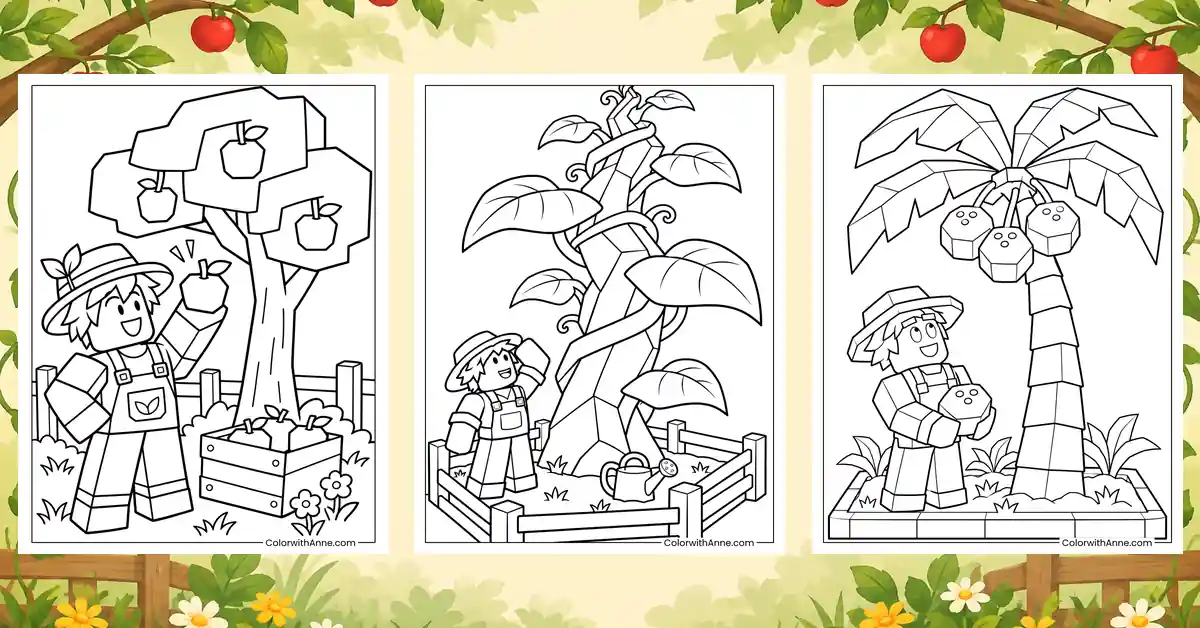
In Roblox’s Grow a Garden, it is easy to log in to check one crop and stay long enough to rethink the planting plan. There is always a little more space to make use of, and a harvest can give someone a good reason to show a friend what has been growing.
Grow a Garden coloring pages suit players who enjoy looking at the garden they have made. On paper, they have time to notice what makes a crop recognizable or imagine what they would plant together if space were unlimited. Deciding what deserves the best spot can be half the fun.
Free Printable Grow a Garden Coloring Pages
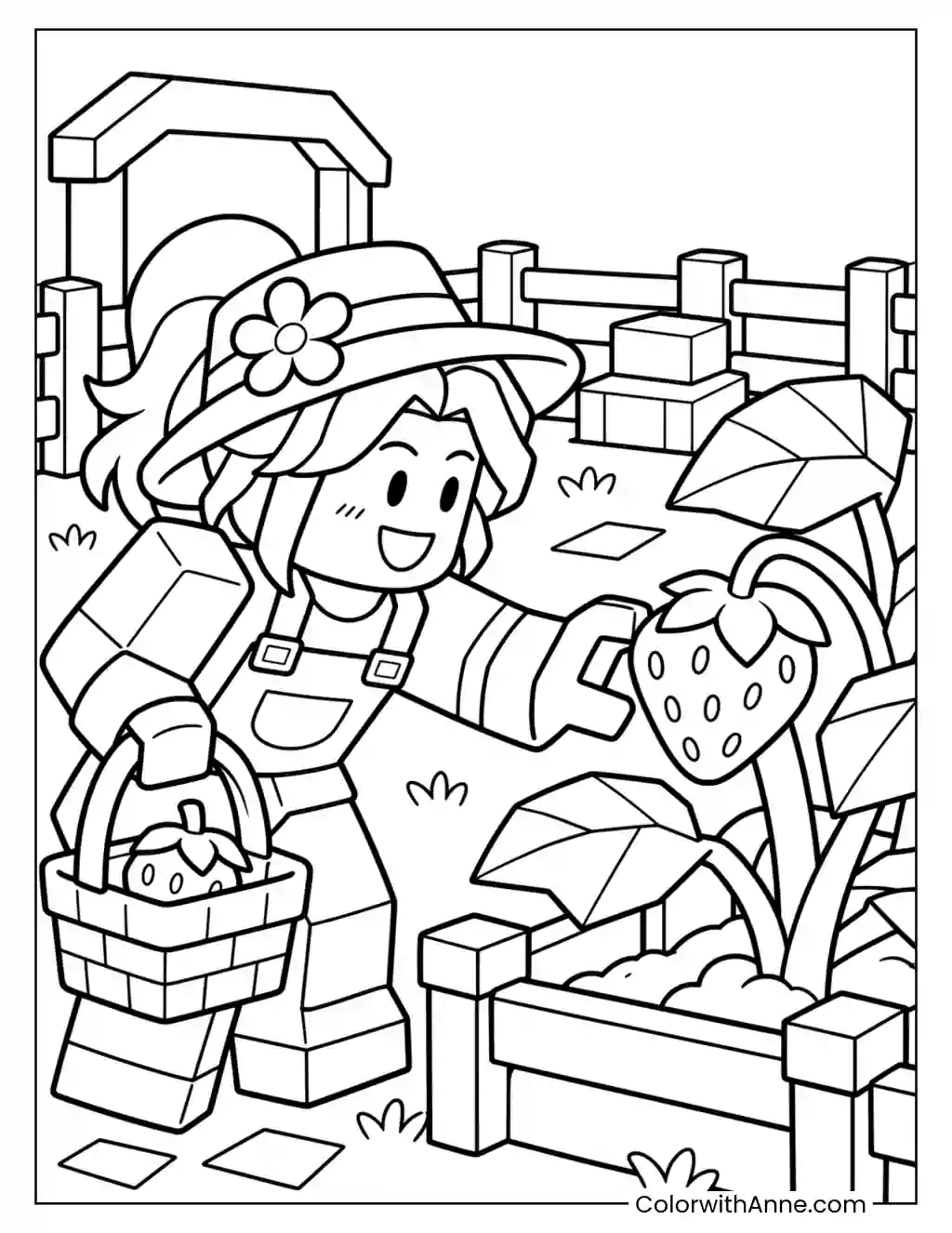
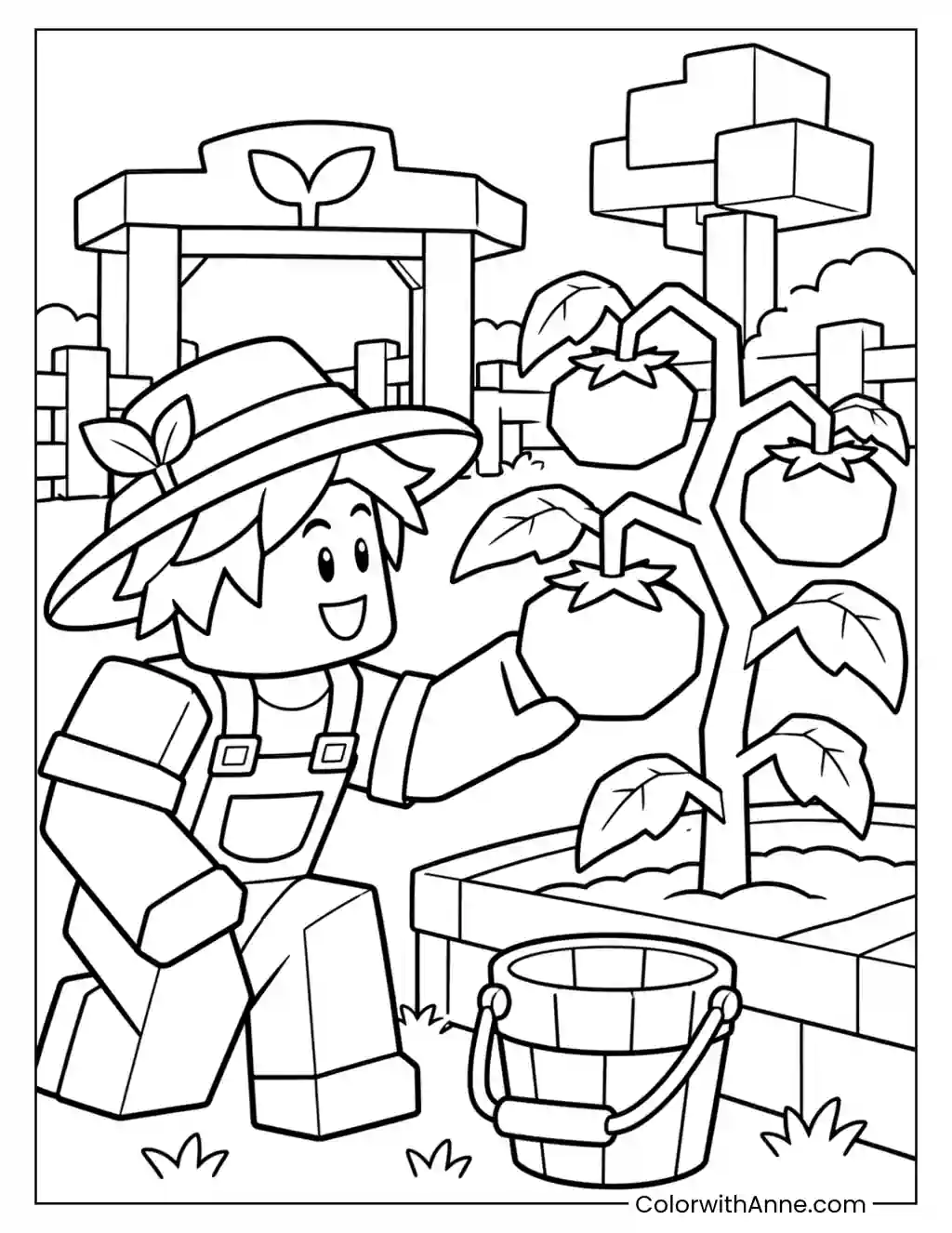
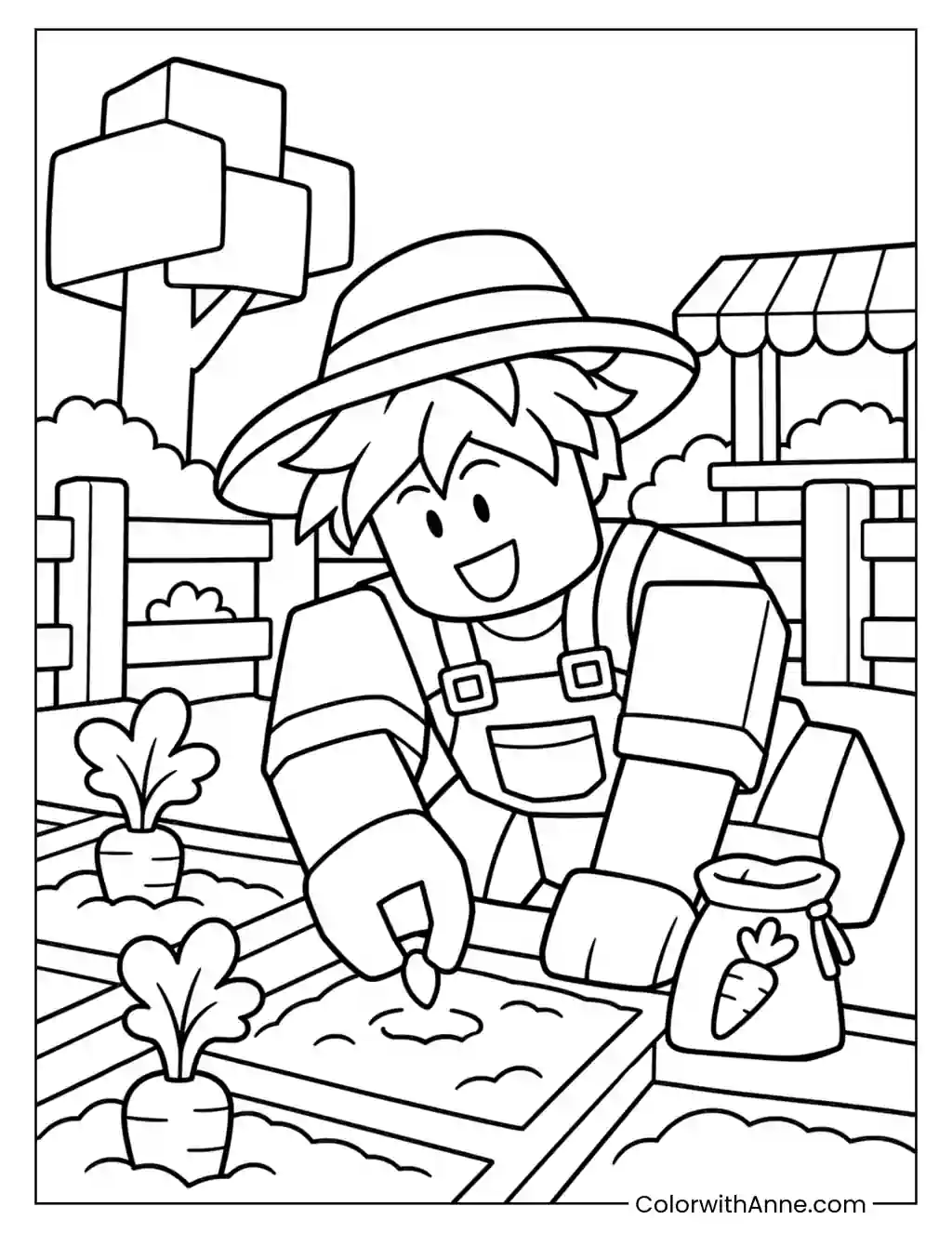
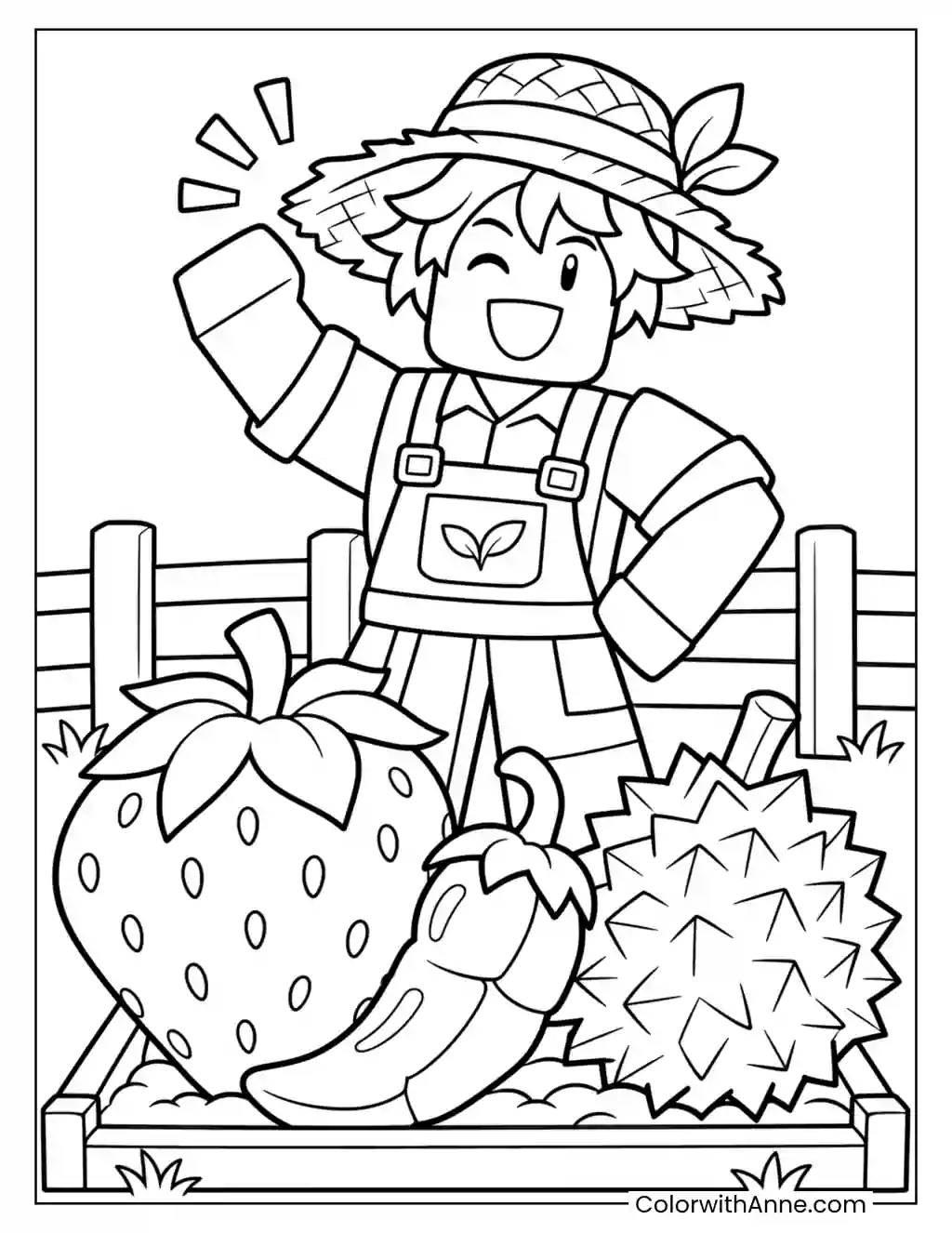
Click any coloring page below to open the PDF, then print on US Letter or A4 paper.
Did you find what you needed?
Help us choose what to create or improve next.
Coloring Ideas for Grow a Garden Pages
Try these creative ideas to make the most of your coloring sheets.
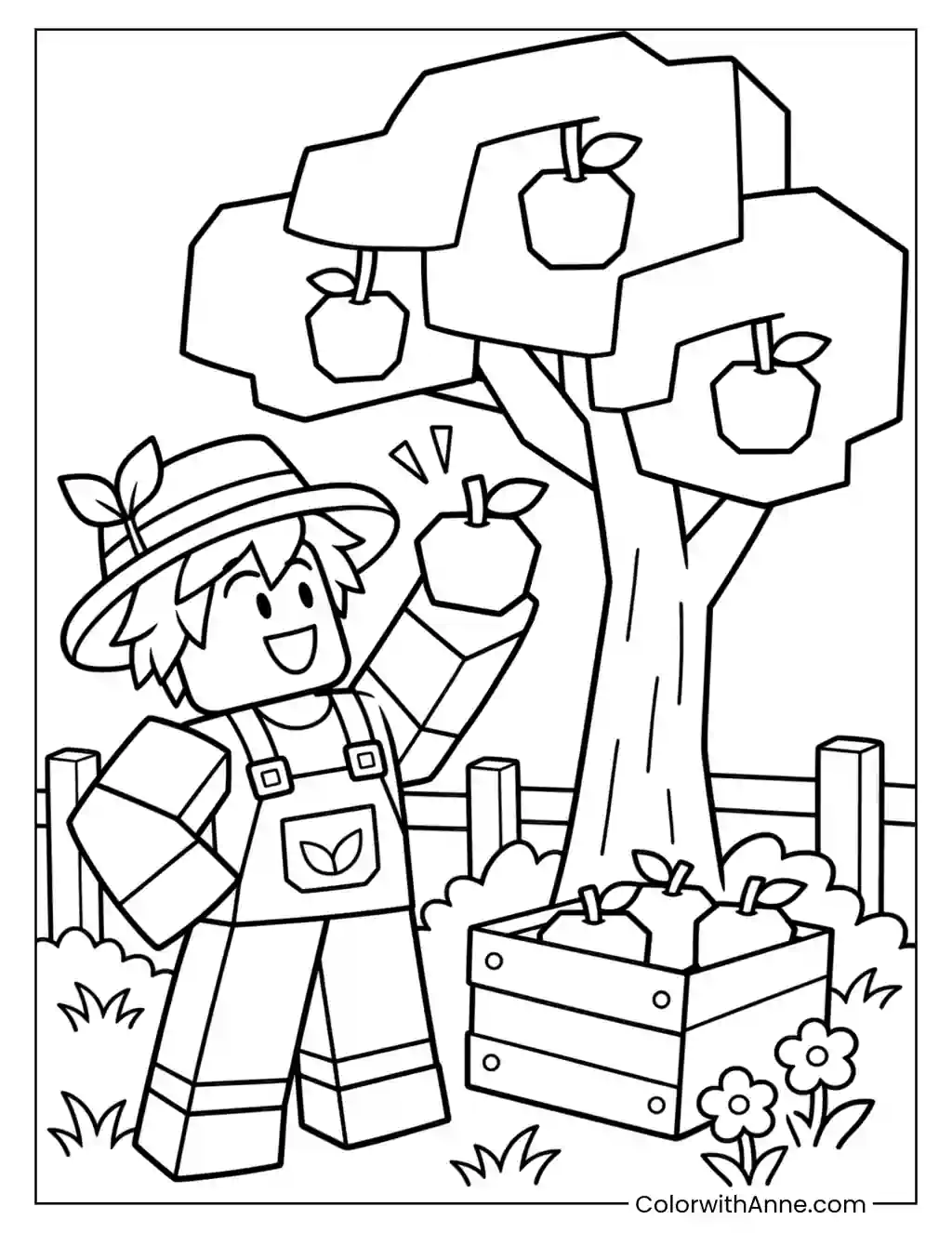
Put a Real Apple Variety on the Harvest Crate
A blocky gardener holds up an apple beside a tree and a wooden crate of harvested fruit. The apple in hand is separated from the rest, giving it the look of a sample chosen from the batch.
Try a mix of red, yellow, and green across the apples. Use a little of each color on the one being held, and keep the crate a muted wood tone.
If there’s an apple in the kitchen, use it as the sample. Add its variety name to the side of the crate and borrow a real detail, such as a yellow patch or a blush on one side. It can be fun to compare the finished crate with another variety the next time you bring one home.
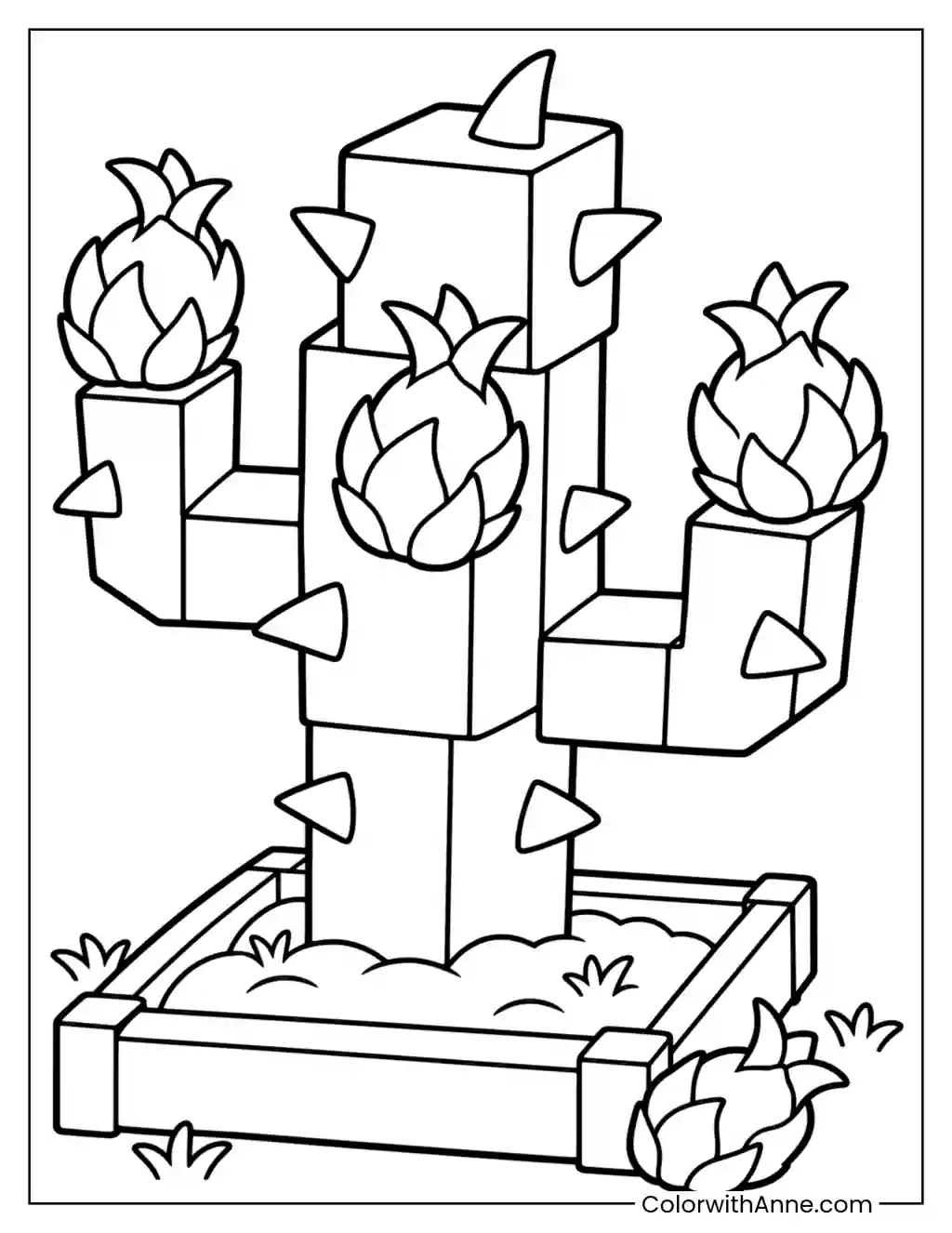
Work Out Which Fruit Is Still on the Cactus
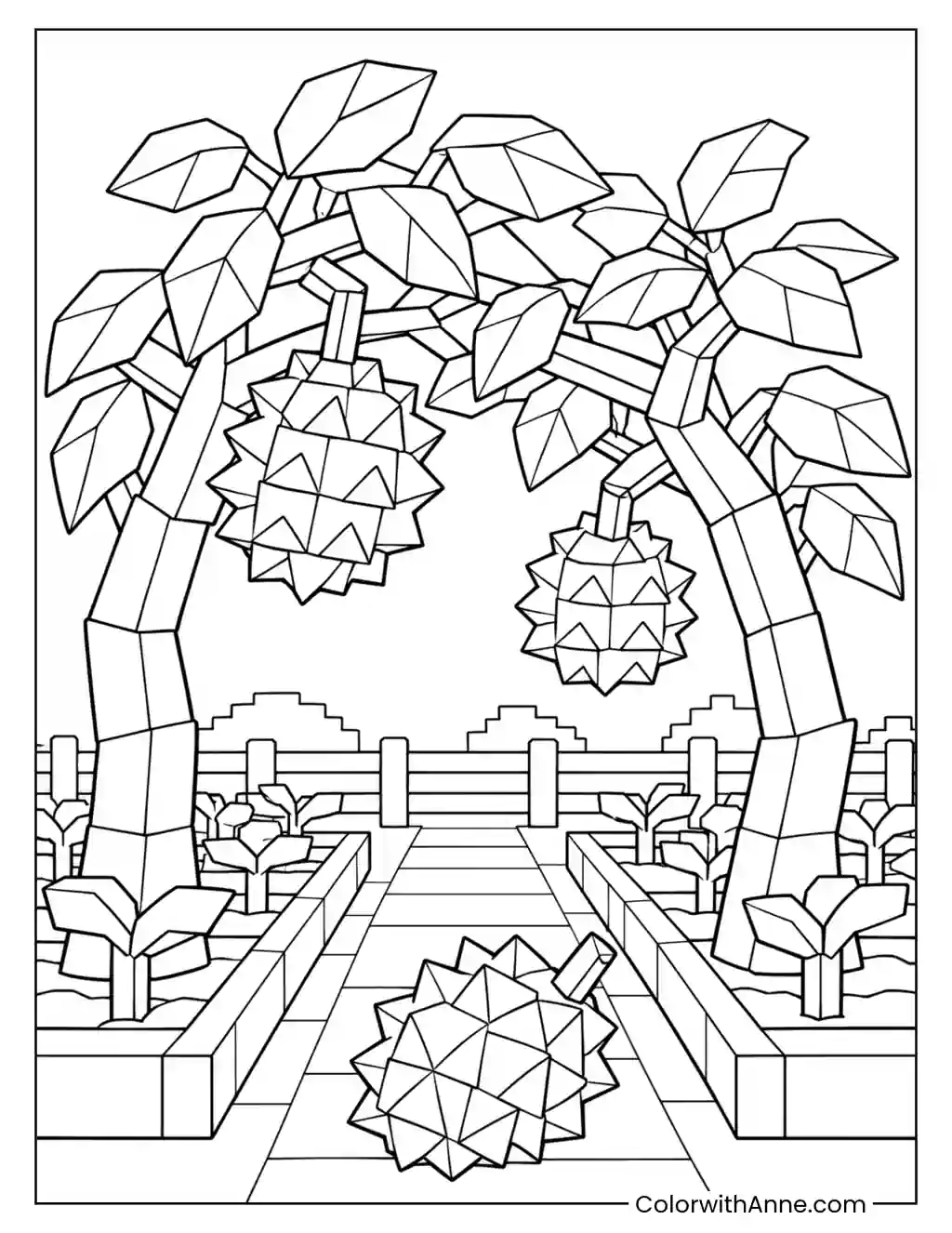
Three scaly fruits grow on a block-shaped cactus in a raised bed. Another fruit rests outside the bed, putting an attached fruit and a loose one in the same view.
Keep the cactus a steady green and give the fruit a contrasting pink or warm red. Repeat the fruit color outside the bed so its shape is easy to match to the ones still growing.
The loose fruit makes a good starting point for explaining the picture to someone who hasn’t seen it. Follow its shape back to the cactus and point to where another one is attached. A simple mark on the print can show the join you’d look for if you went searching for fruit on the actual plant.
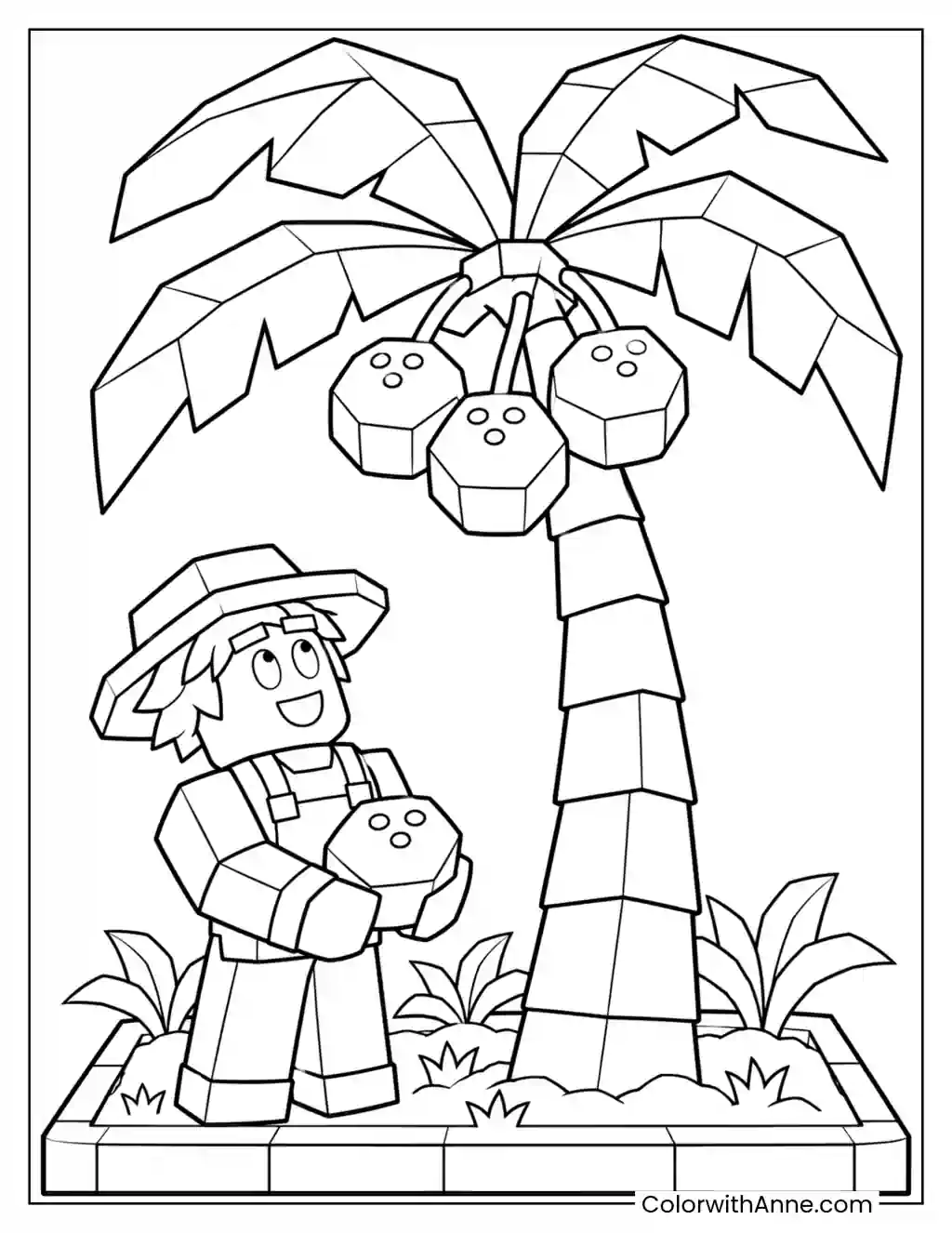
Compare the Coconut in Hand with the Ones in the Tree
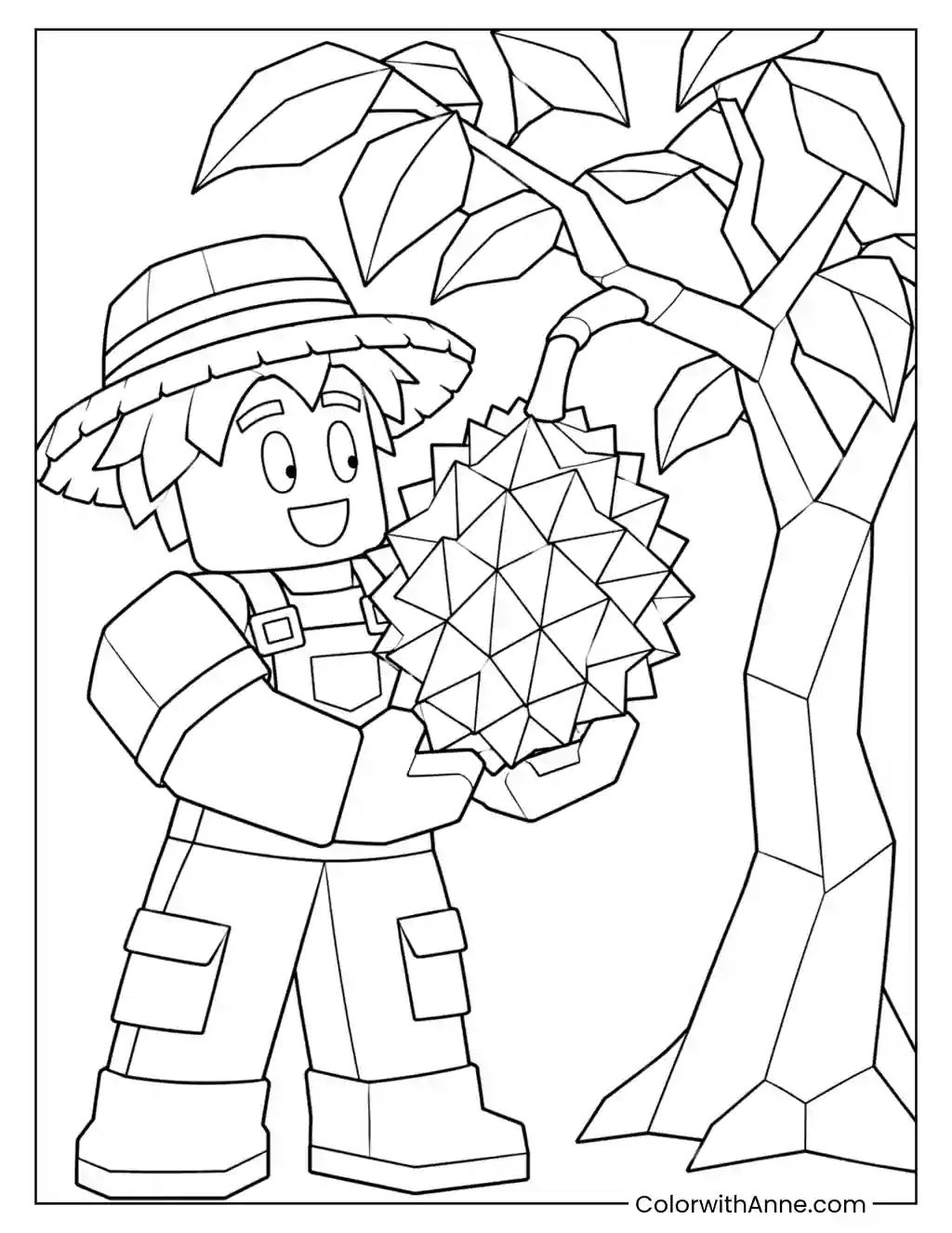
A gardener cradles a coconut beneath a tall angular palm. Three more fruits hang above, giving the page a close-up specimen and a view of where it came from.
Use golden brown on the coconut in the gardener’s hands and a greenish tone on the hanging fruits if you want to distinguish them. The blocky leaves can alternate between two greens.
At the grocery store, see whether you can spot a coconut that looks like the one being held. If you find one, compare what the shell actually looks like with the angular version in the picture. A small note about the roughness or shape is enough to remember what you noticed.
Save the Dragon Fruit Flower Before It’s Gone
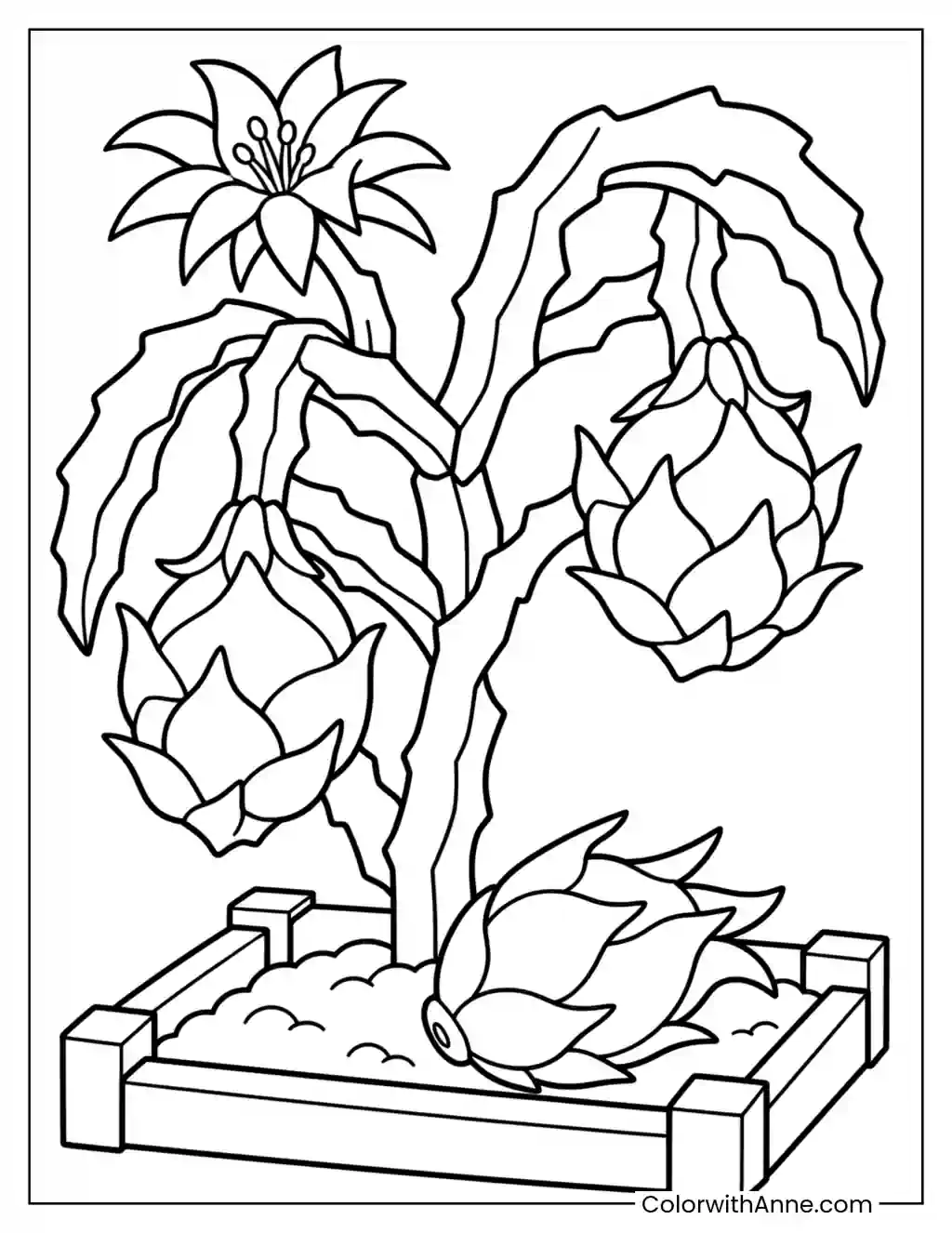
Two dragon fruits hang from arching cactus stems above a raised bed. A large open flower sits beside them, giving the flower and fruit distinct places in the same patch.
Keep the petals pale with a warmer center, and use a stronger pink for the fruit. Green tips and darker stems will help the two shapes stay separate without filling every petal with color.
Imagine making a garden journal entry just for the flower. Sketch its outline in the margin and write the date. On another day, an actual bloom from a garden or market can go beside it. It’s a small prompt to notice a plant while it’s flowering, before the fruit gets all the attention.
See How Big the Watermelon Really Looks
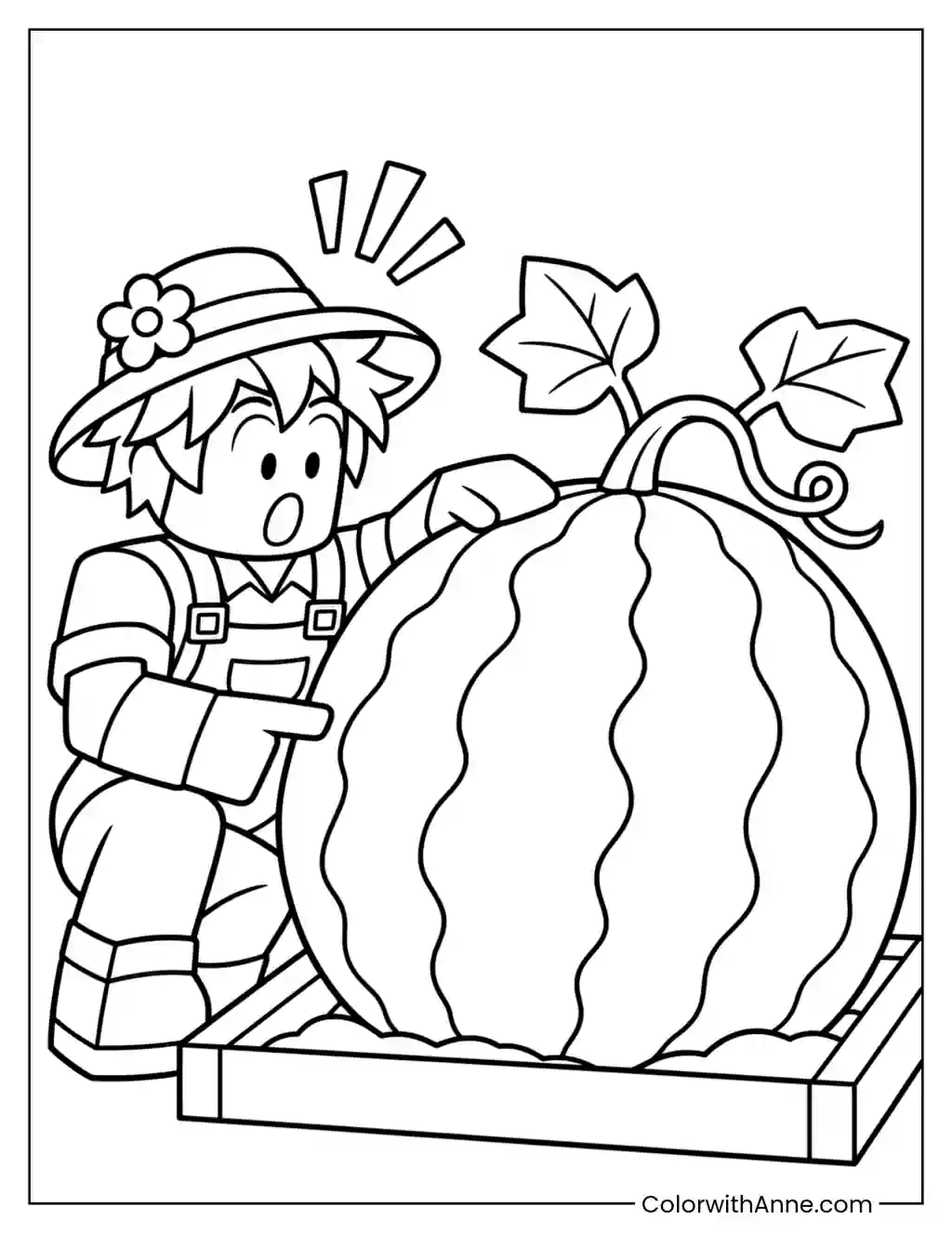
A surprised gardener kneels beside a giant striped watermelon in a raised bed. The pointing hand leads toward the melon, and the nearby figure makes its size easy to appreciate.
Use alternating dark and light greens along the stripes. Let the softer color of the raised bed sit behind the strong pattern, and keep the gardener’s hand easy to see against the rind.
Cover the gardener for a moment and look at the melon on its own. When the figure comes back into view, the fruit will likely feel much bigger. Try the same trick in a quick sketch of your own oversized crop by adding a familiar object next to it for scale.
Borrow a Real Trellis for the Giant Grapes
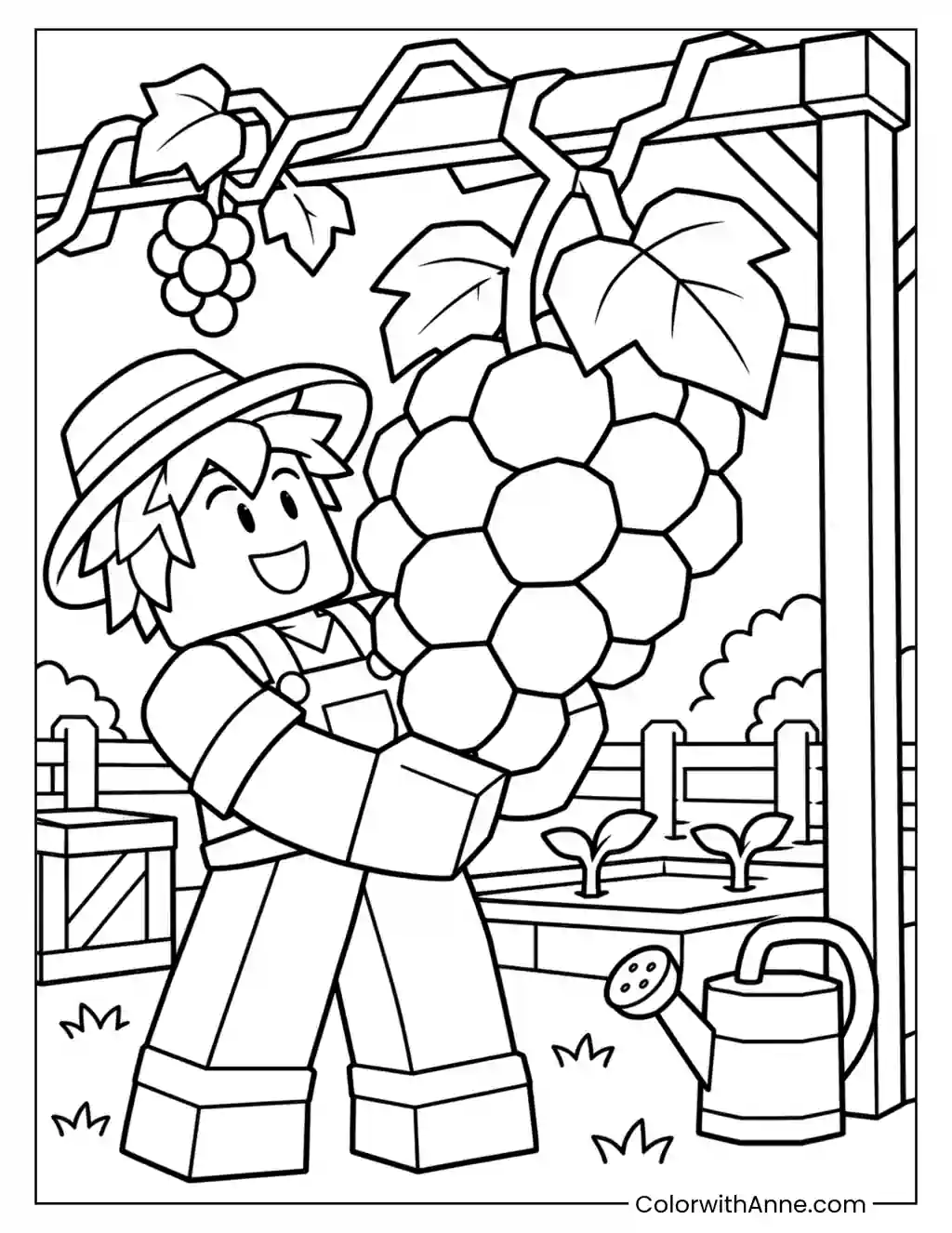
A smiling gardener holds an enormous bunch of grapes under a vine-covered trellis. A watering can sits nearby, while the trellis gives the large fruit a structure to hang beneath.
Alternate two or three close shades on the grapes and leave a small highlight on a few of the front ones. A quieter brown or gray for the trellis keeps its supports visible through the vines.
If you’re thinking about where a climbing plant could go, start by looking at the trellis behind the gardener. Sketch one simple support in a spot you actually have, such as against a fence or next to a planter. The picture is a good reminder to leave space to reach the plant as it grows.
Look Down on the Garden from a Sunflower Petal
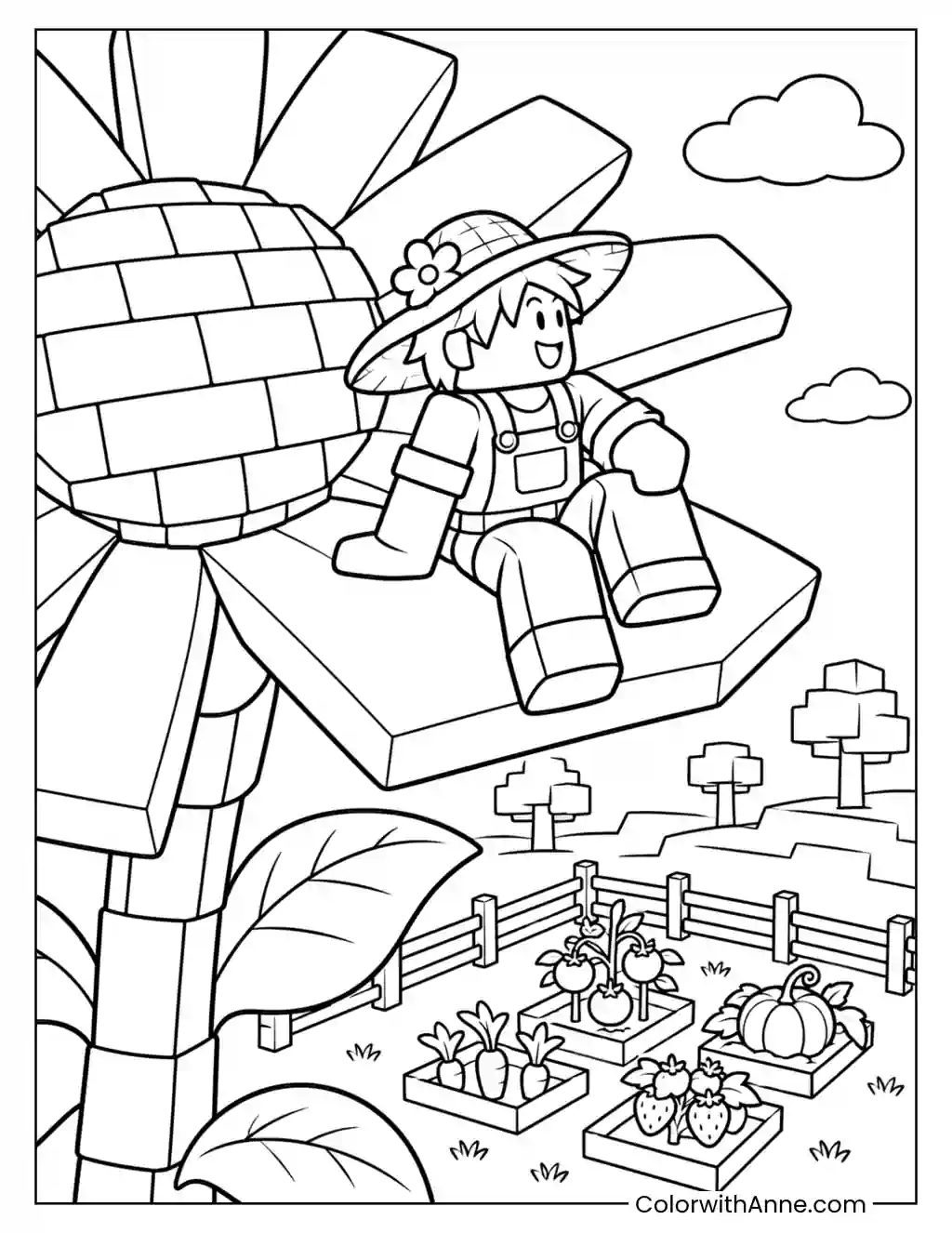
A gardener sits on a giant sunflower petal above fenced vegetable beds and blocky trees. The high perch makes the beds below look like small, orderly patches.
Warm yellow draws attention to the petal and its passenger. Keep the fenced beds a little softer, with different greens separating the crops below.
The view is a good starting point for a simple planting map. Draw three beds as they might look from the petal, then put the things you’d want to pick most often closest to the entrance. The same sketch can help decide what belongs near the front of a real planter.
Make a Guess Before the Carrot Comes Out
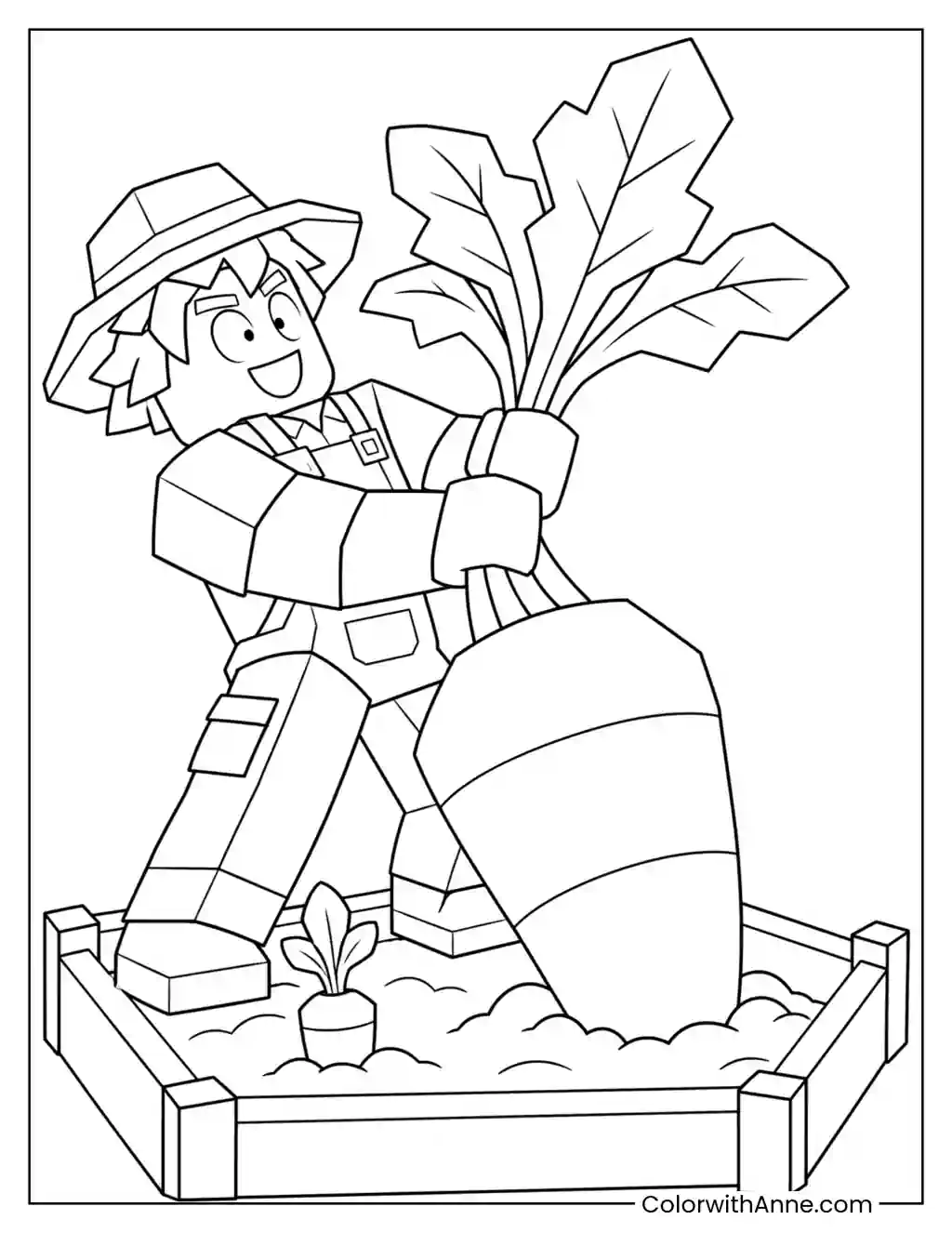
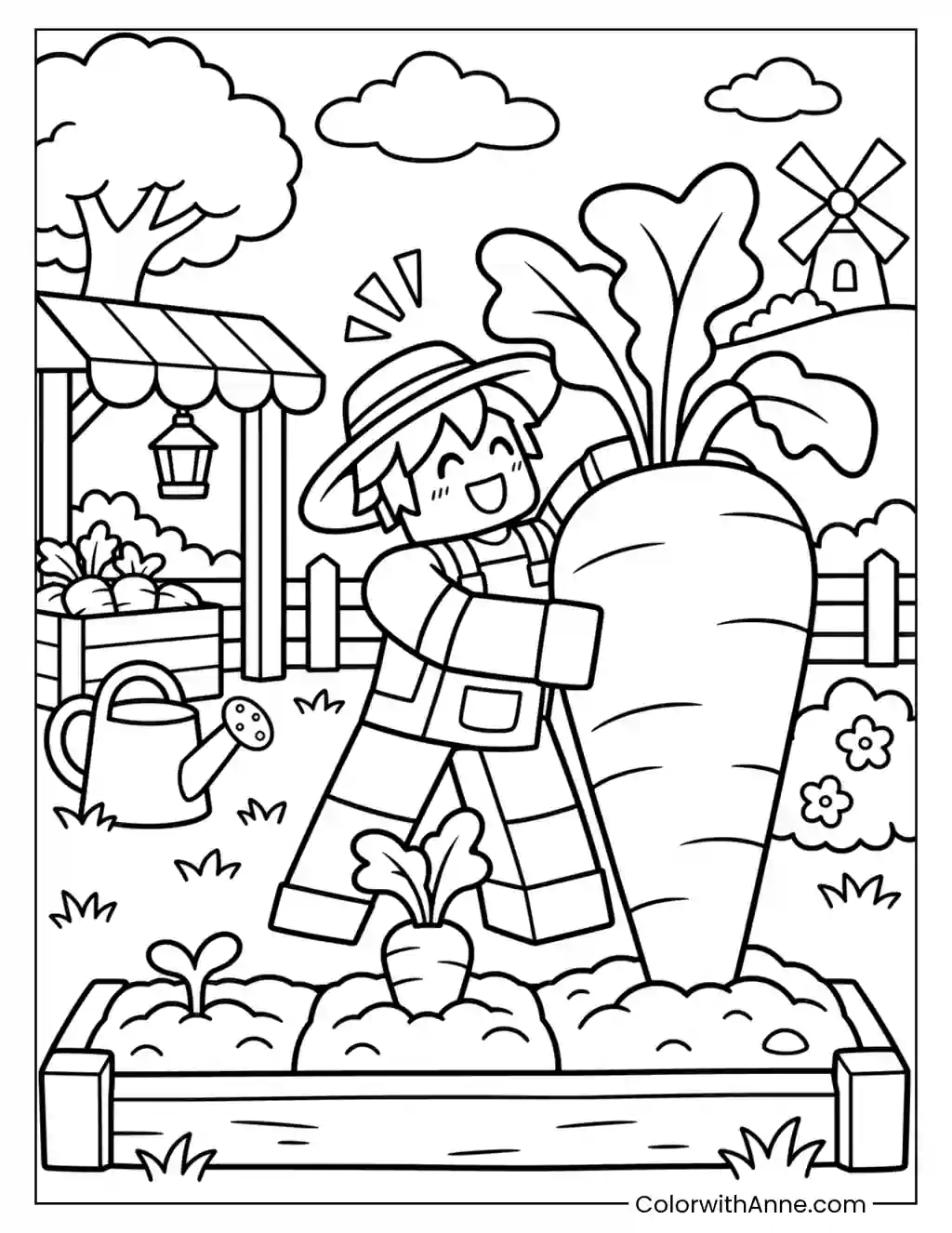
A grinning gardener braces inside a raised bed and grips the leafy stems of a giant carrot. The pose shows the effort of pulling, and the leaves give the eye a way to follow the action down toward the soil.
Bright orange will separate the carrot from the earth. Use a few darker strokes close to the soil and keep the leafy stems distinct enough to follow back to the gardener’s hands.
Before looking at the whole print, cover the root with a scrap of paper and guess how much carrot belongs beneath those leaves. Reveal the drawing afterward. It’s a quick reminder of what makes harvesting a root vegetable satisfying: even when the tops are right there, the size of the root can still be a surprise.