
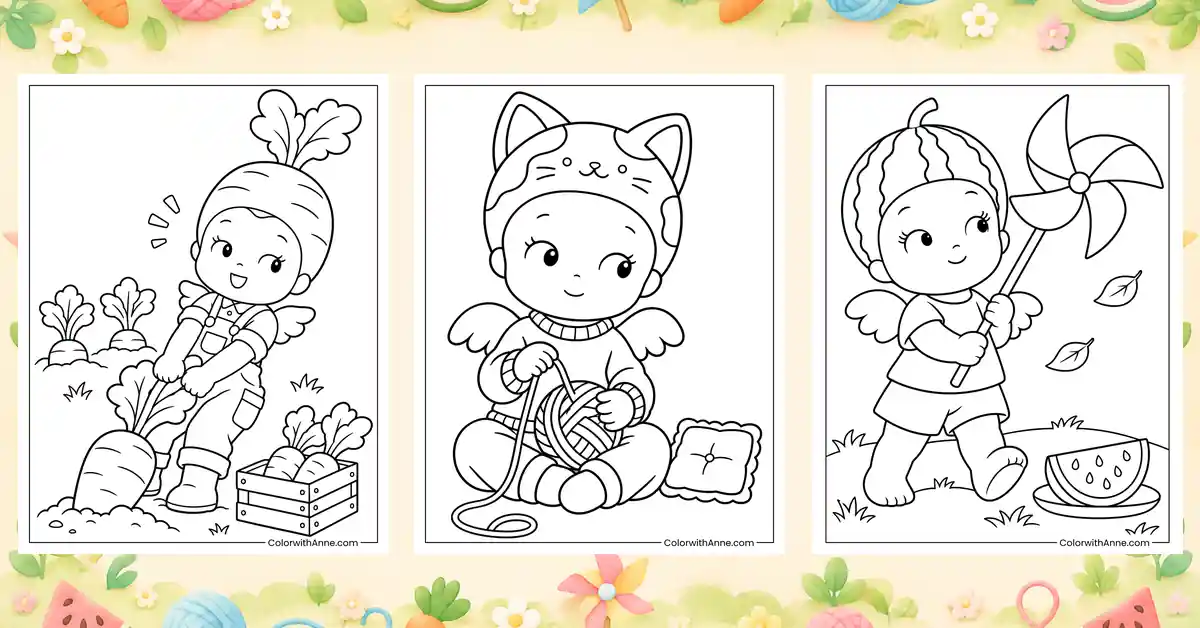
The little pause before opening a Sonny Angel box is part of the fun. Someone may have spent the whole trip home hoping for a particular fruit or animal hat, then opened the package and grown attached to the figure they actually got. Before long, it has a spot beside the monitor or on a bookshelf.
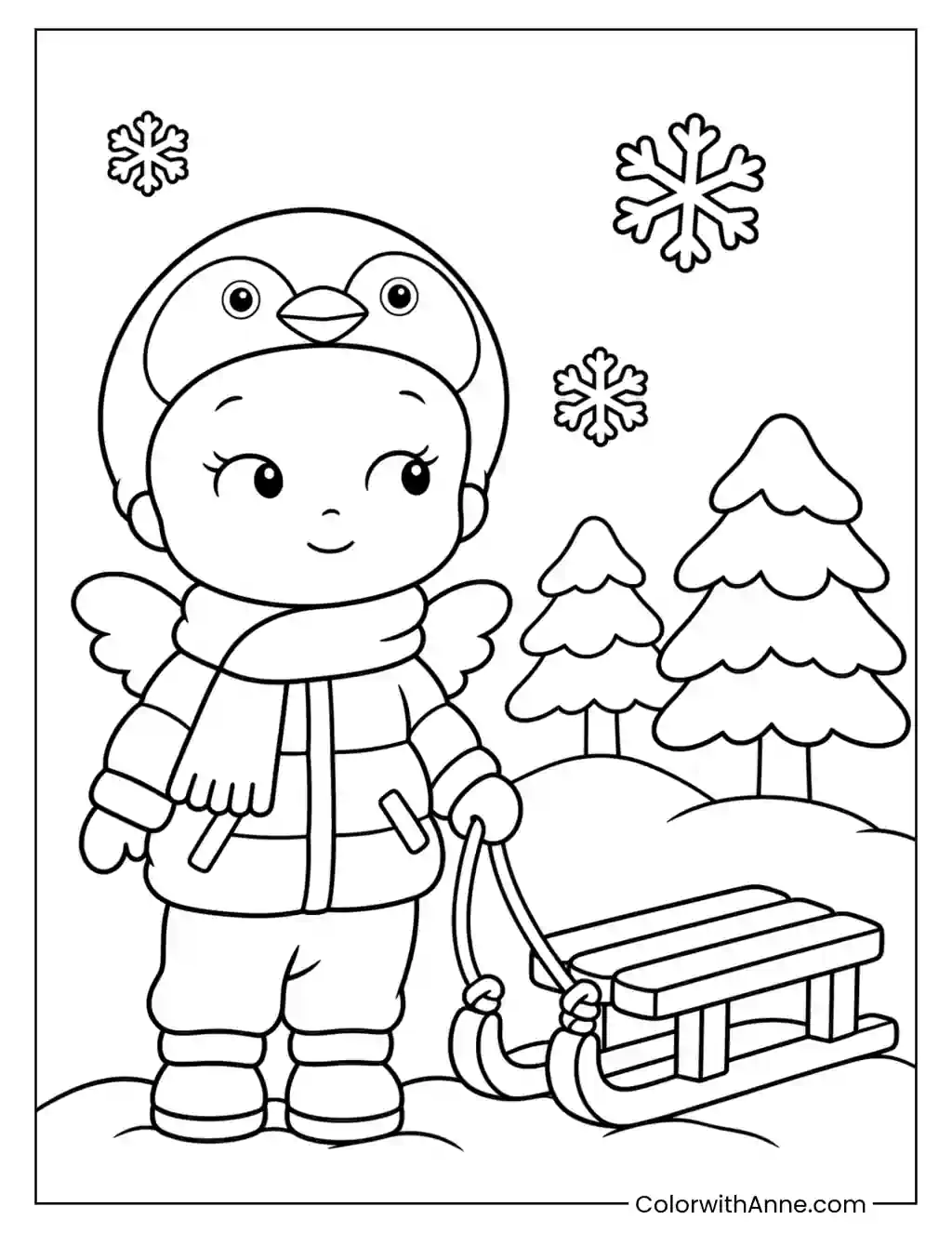
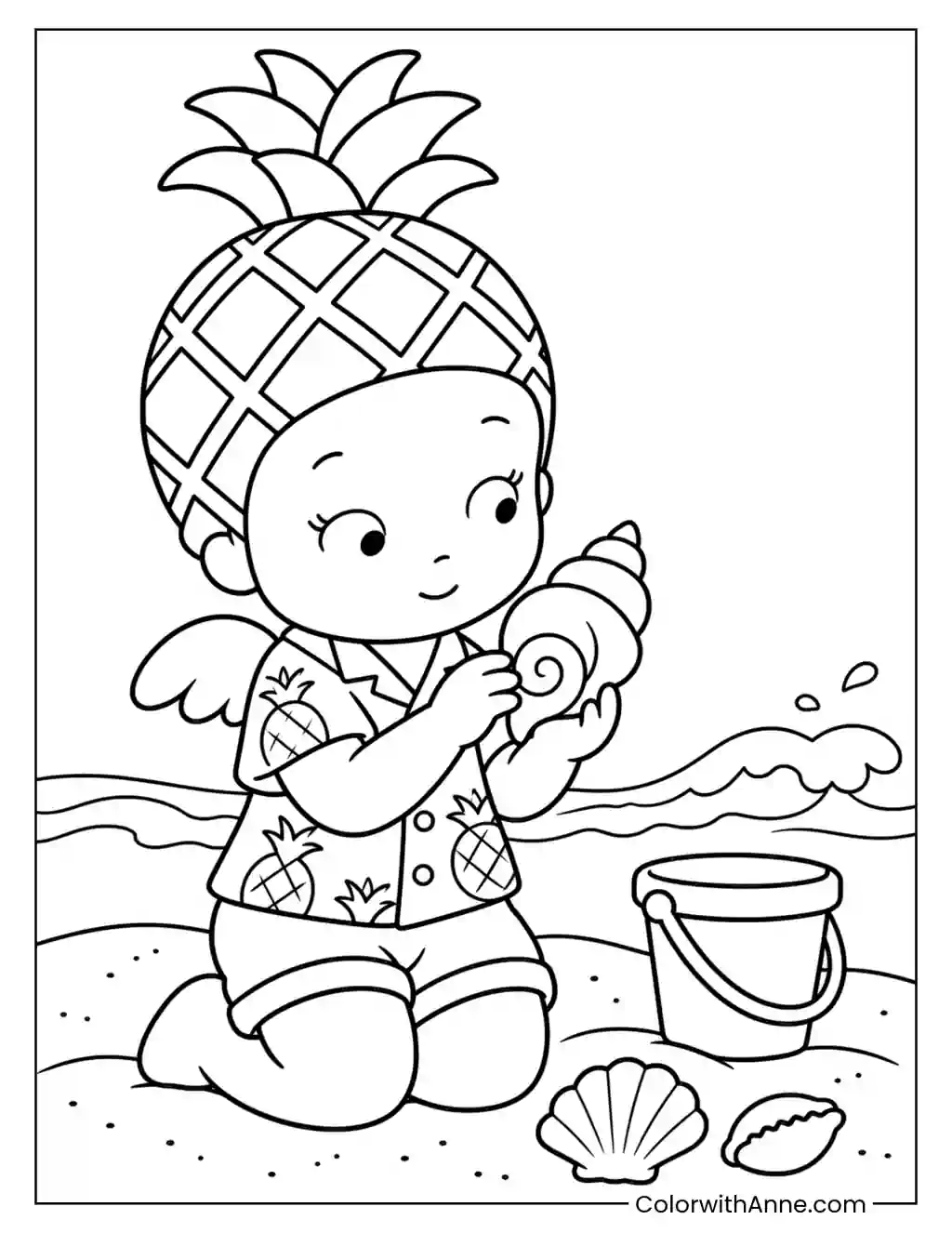
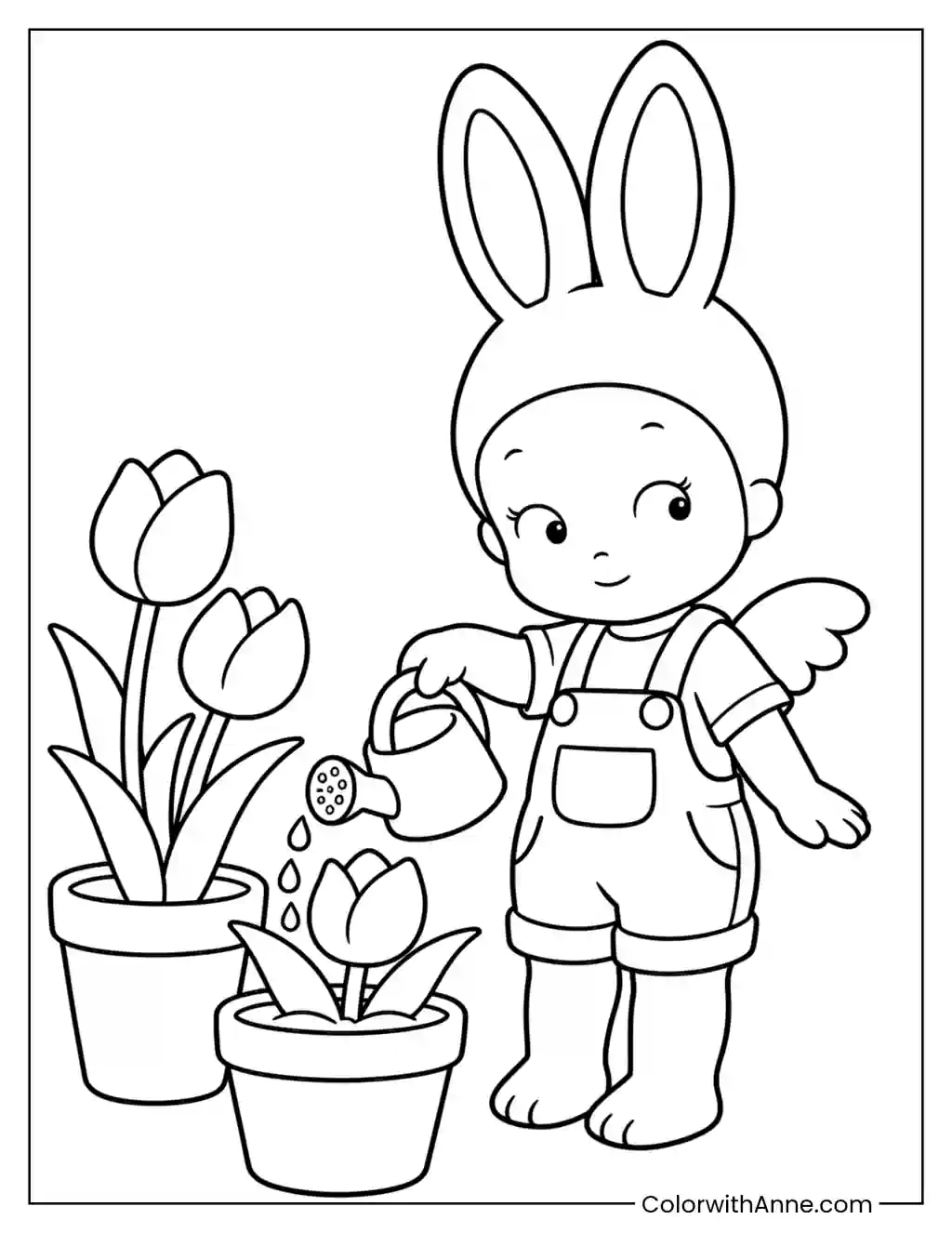
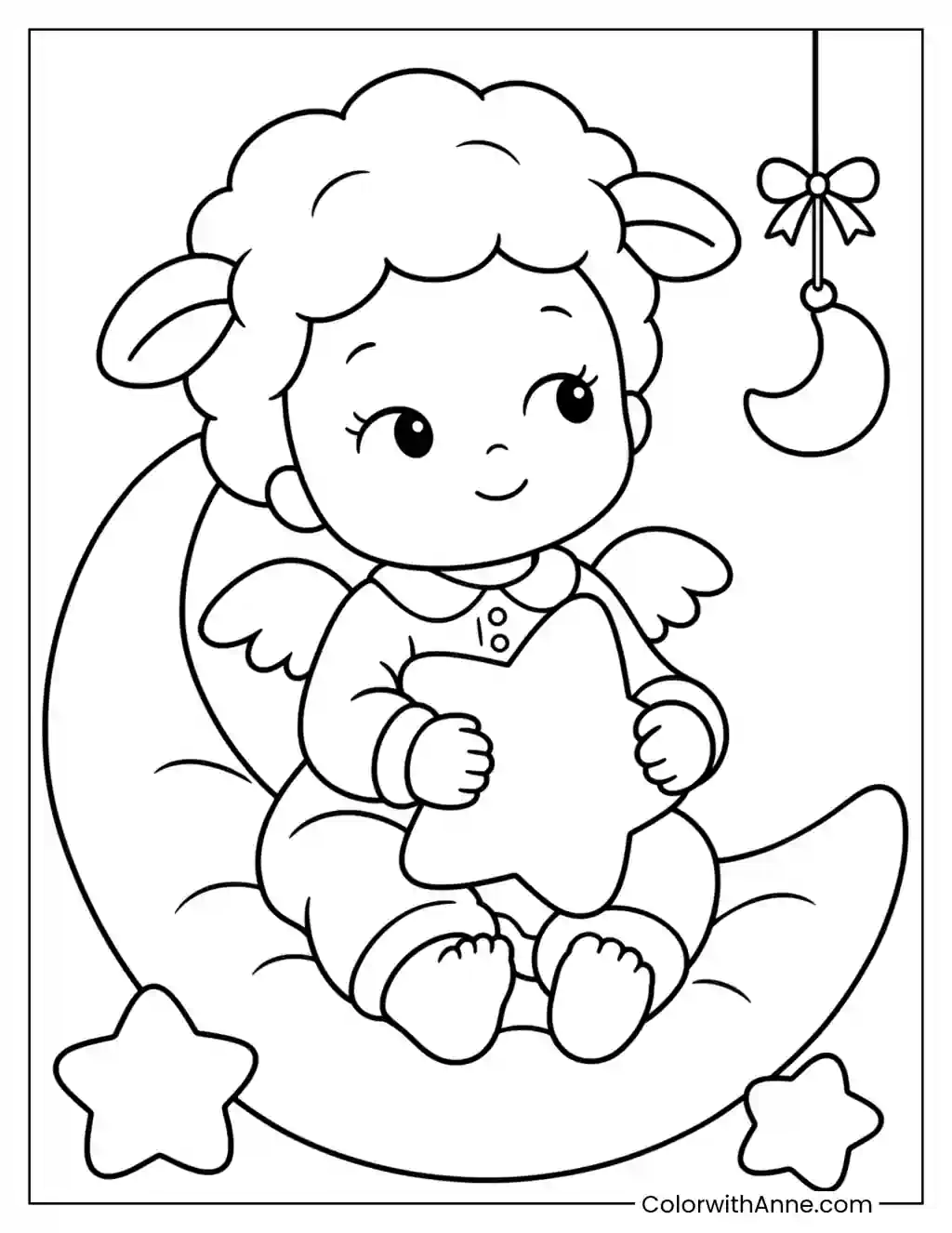
Sonny Angel coloring pages carry that collector’s pleasure over to paper. The headgear invites the same attention as the figure itself, especially when the shape is easy to recognize from across the room. Fans can finally give a favorite design the exact colors they had in mind before opening the box.
Free Printable Sonny Angel Coloring Pages
Click any coloring page below to open the PDF, then print on US Letter or A4 paper.
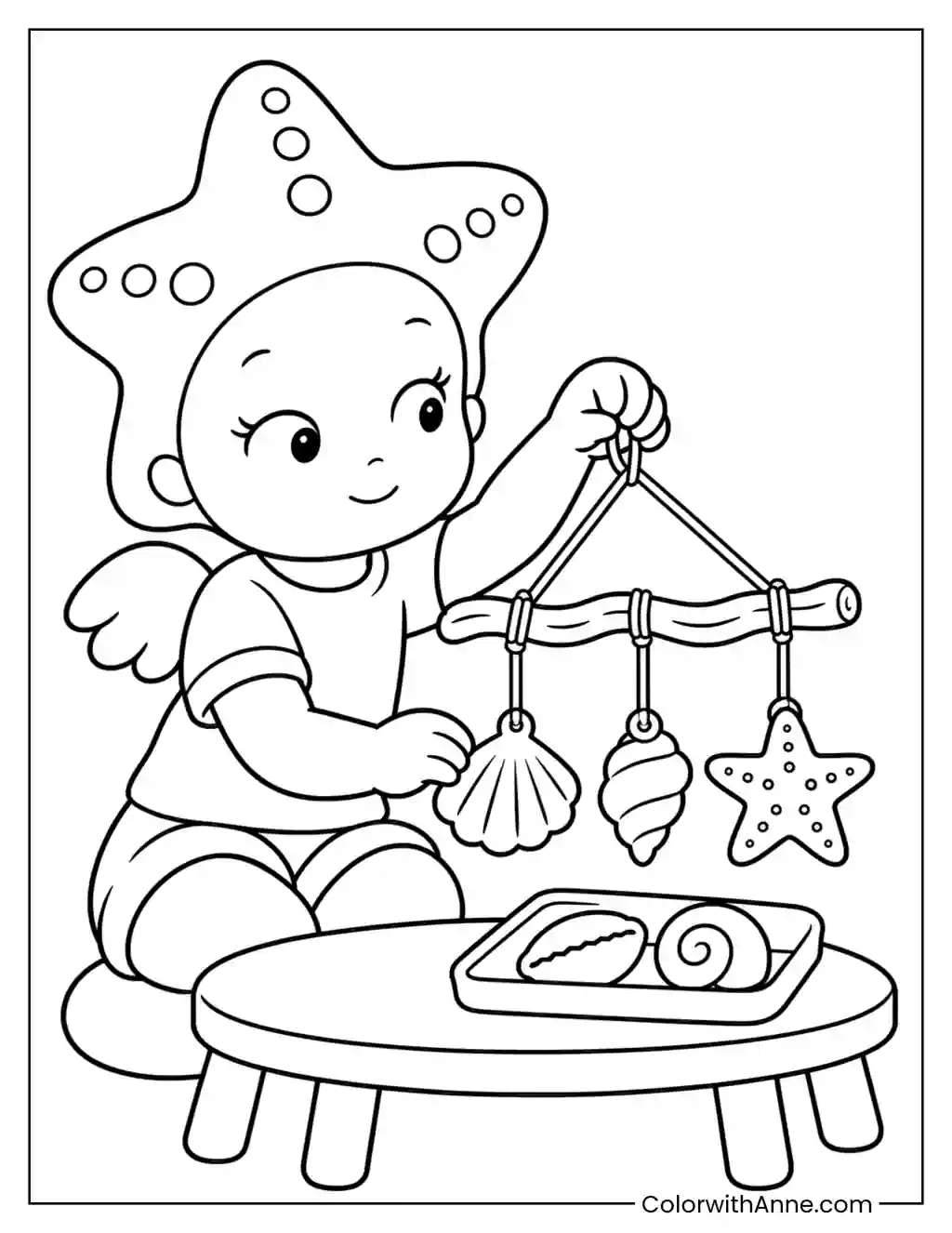
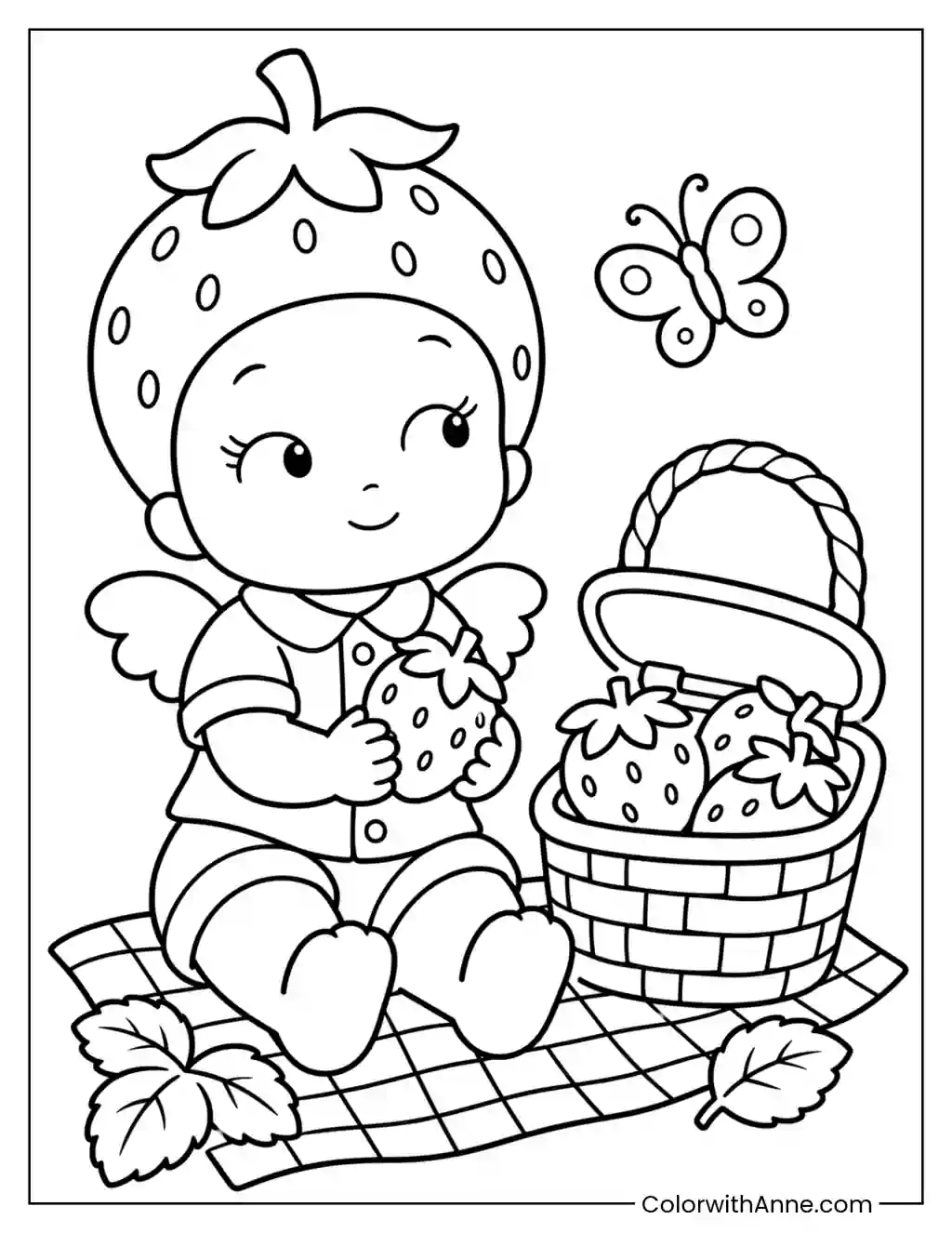
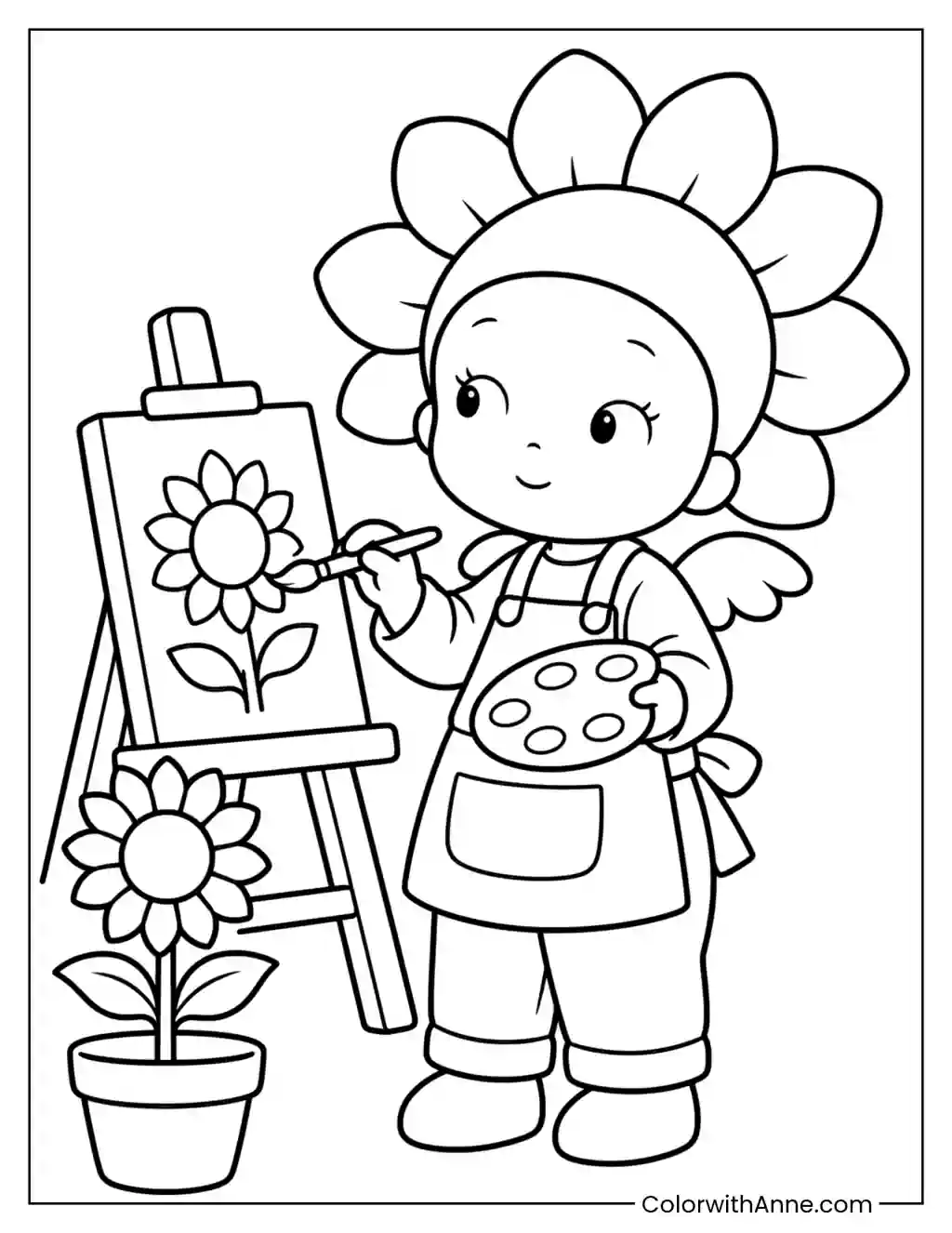
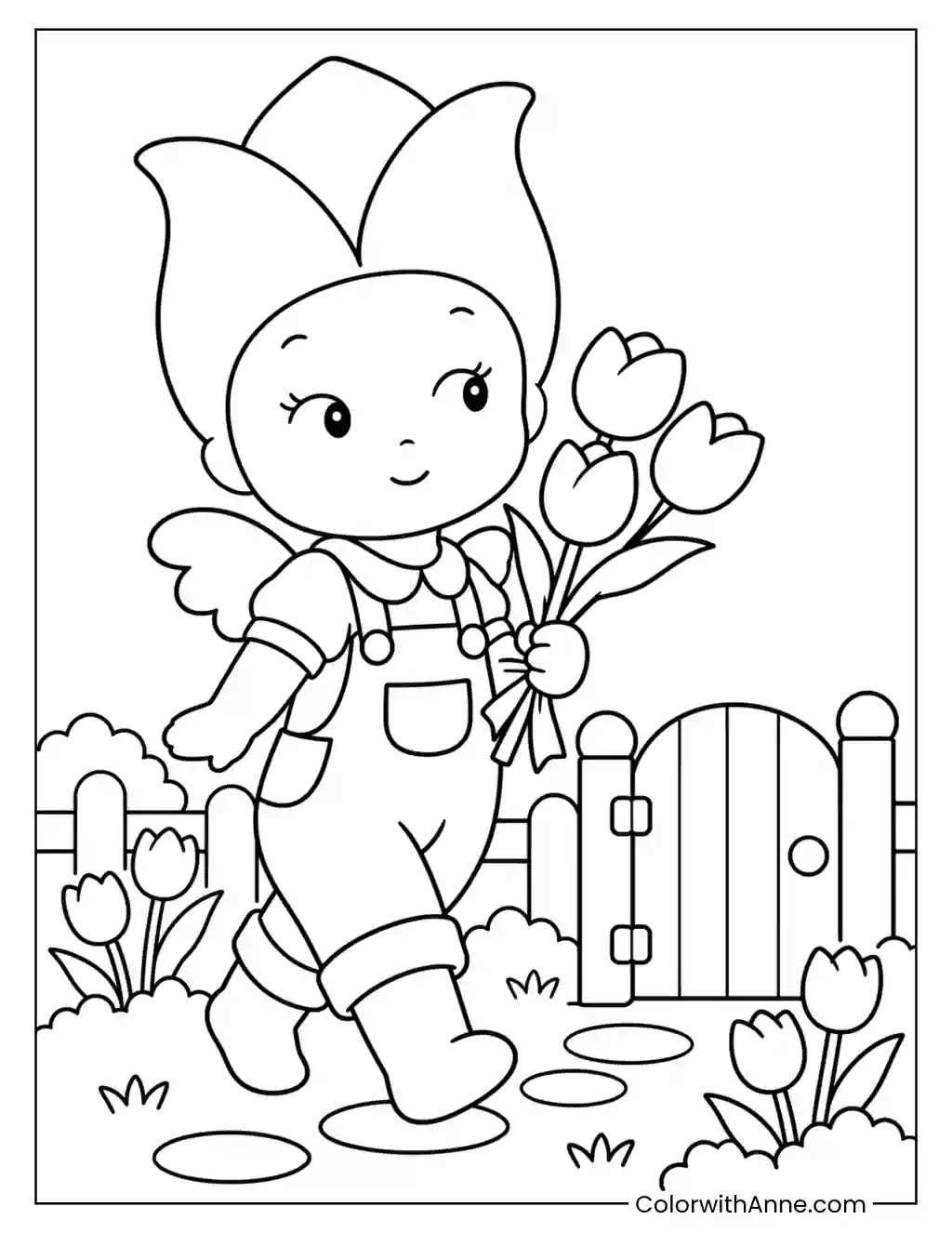
Did you find what you needed?
Help us choose what to create or improve next.
Coloring Ideas for Sonny Angel Pages
Try these creative ideas to make the most of your coloring sheets.
Make Carrot Sonny Angel a Harvest Label
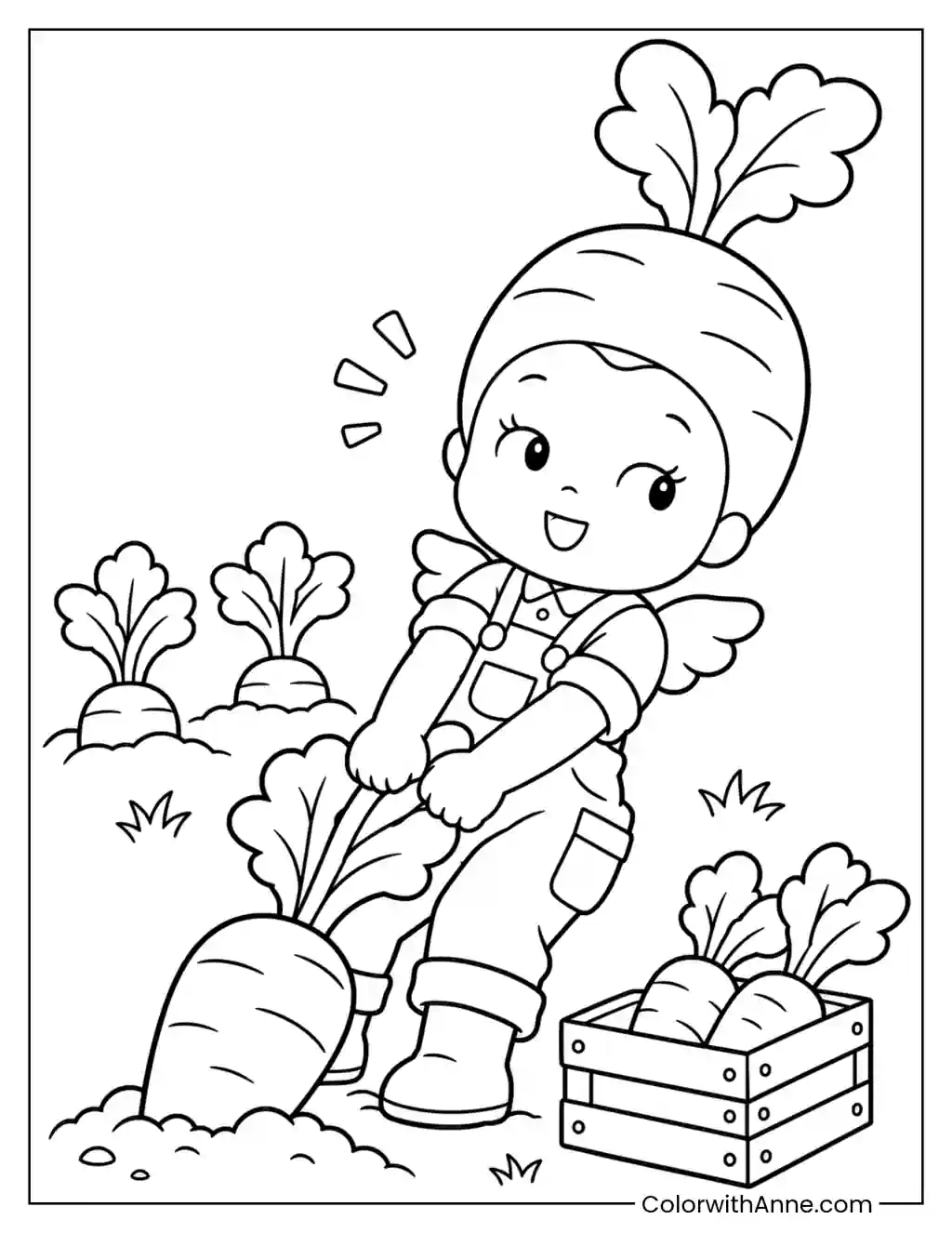
Carrot Sonny Angel pulls an oversized carrot from a vegetable patch. A crate of harvested carrots sits beside the figure, giving the fresh one a place to join the rest.
Use a strong orange on the carrot being pulled and a few quieter oranges on those in the crate. A darker green near the base of the leaves will make the bunch easy to see against the soil.
For a garden with more than one carrot variety, borrow the crate as a place to add the variety name and harvest date. Keep the print with your seed packets or garden notes. It gives you something to check when you try to remember which carrots you’d grow again.
Give Cat Sonny Angel the Yarn You’re Really Using
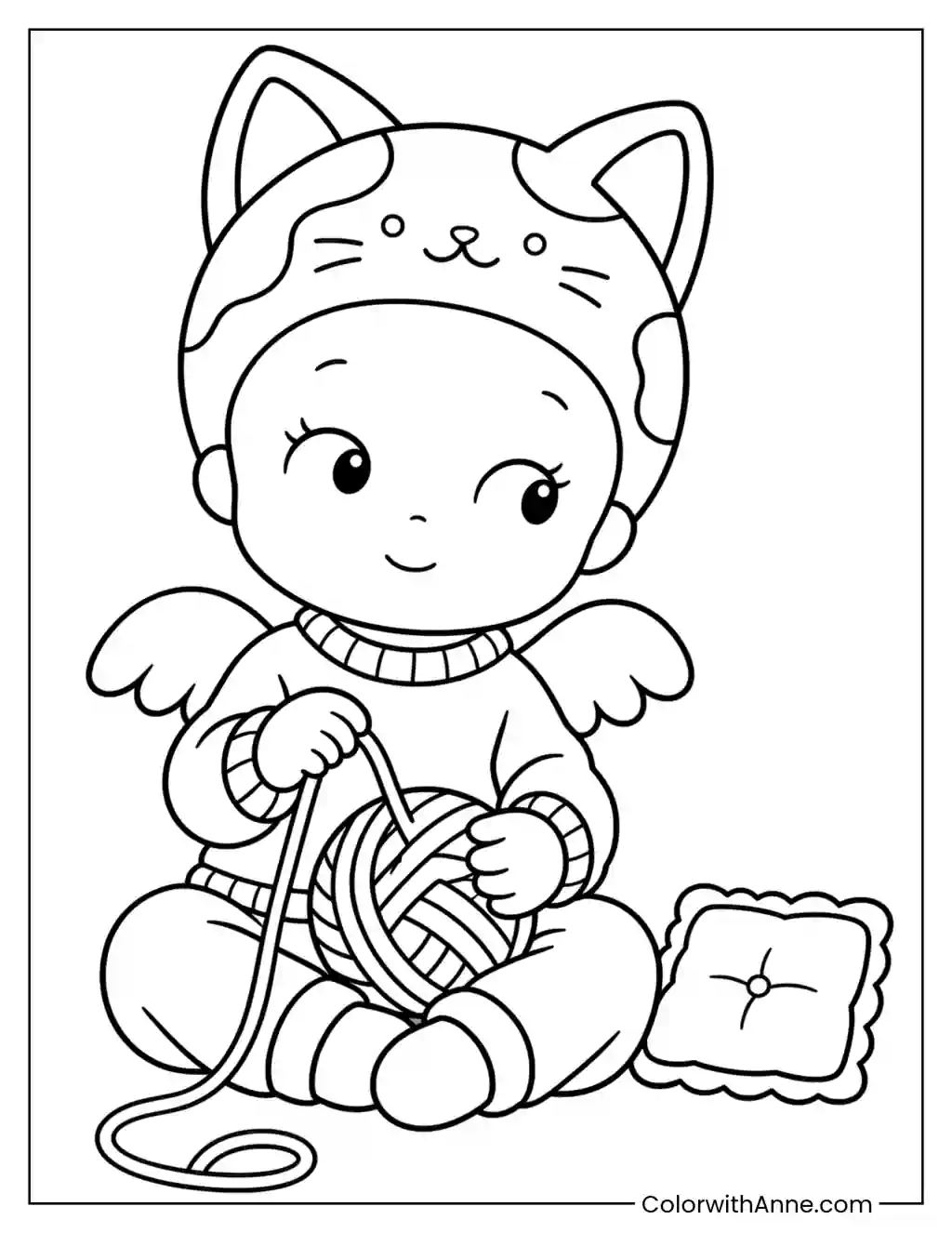
Cat Sonny Angel sits cross-legged beside a cushion and plays with a large ball of yarn. The curving strands give the round ball texture and offer a different surface to color from the cushion.
Use short strokes that follow the strands and darken the places where they cross. A calmer cushion color leaves the ball as the detail your eye returns to.
If you have a project on the go, tape a short yarn end to the bottom of the finished page and add a note about what it’s for. The next time you find that loose ball in a basket, the print can tell you which project it belongs to.
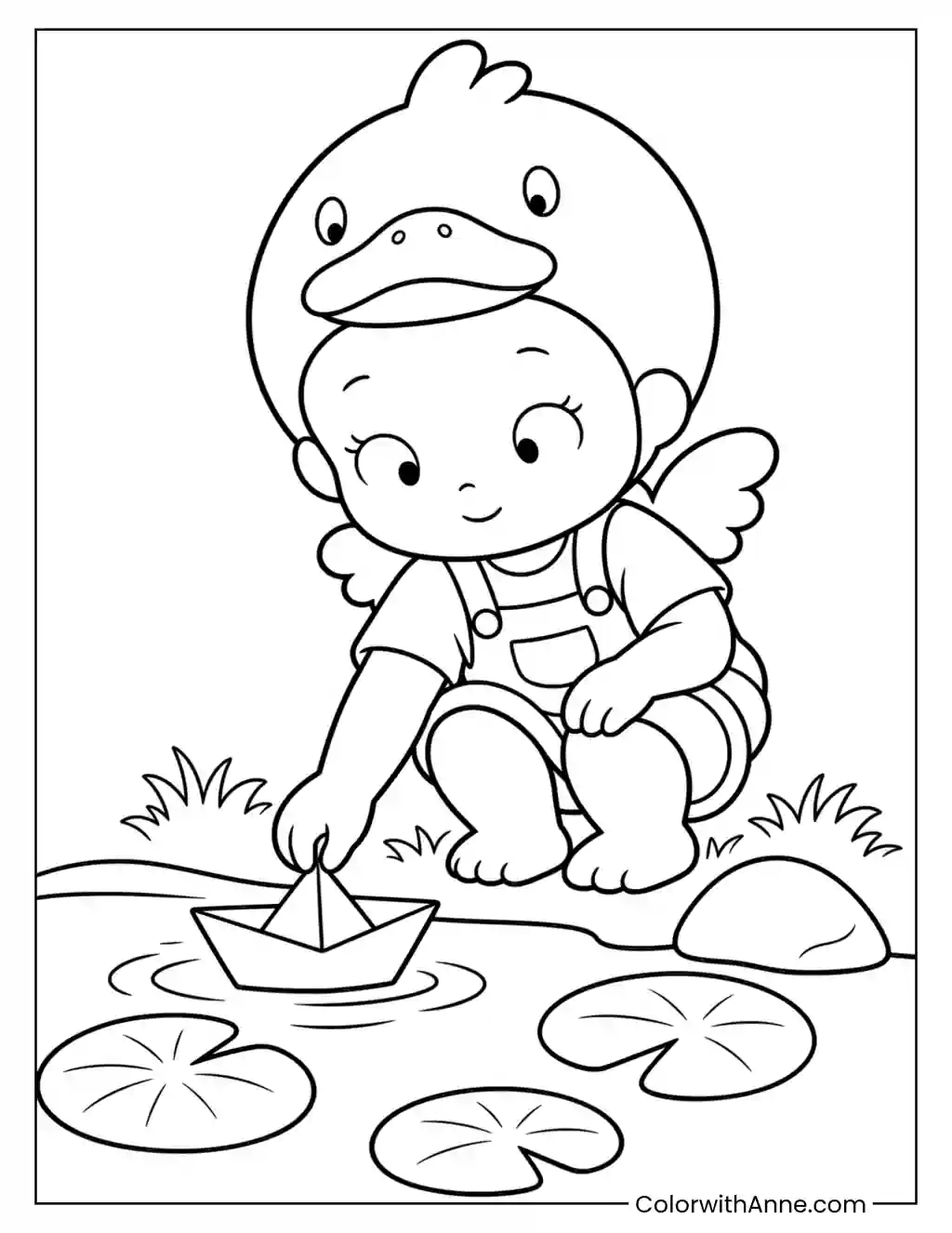
Let Duck Sonny Angel Launch a Boat with a Name
Duck Sonny Angel crouches beside a pond, guiding a paper boat between lily pads. The folded boat is small enough that its pointed edges are easy to see against the rounded leaves.
Keep the boat mostly white, with a pale gray on one folded face. Give the lily pads a stronger green and save the brightest yellow for the duck headpiece.
Fold a small paper boat and write a name on one side before floating it in a bowl. When it’s back on dry land, copy that name onto the boat in the picture. The print becomes a souvenir of the launch, even if the real boat gets too soggy to keep.
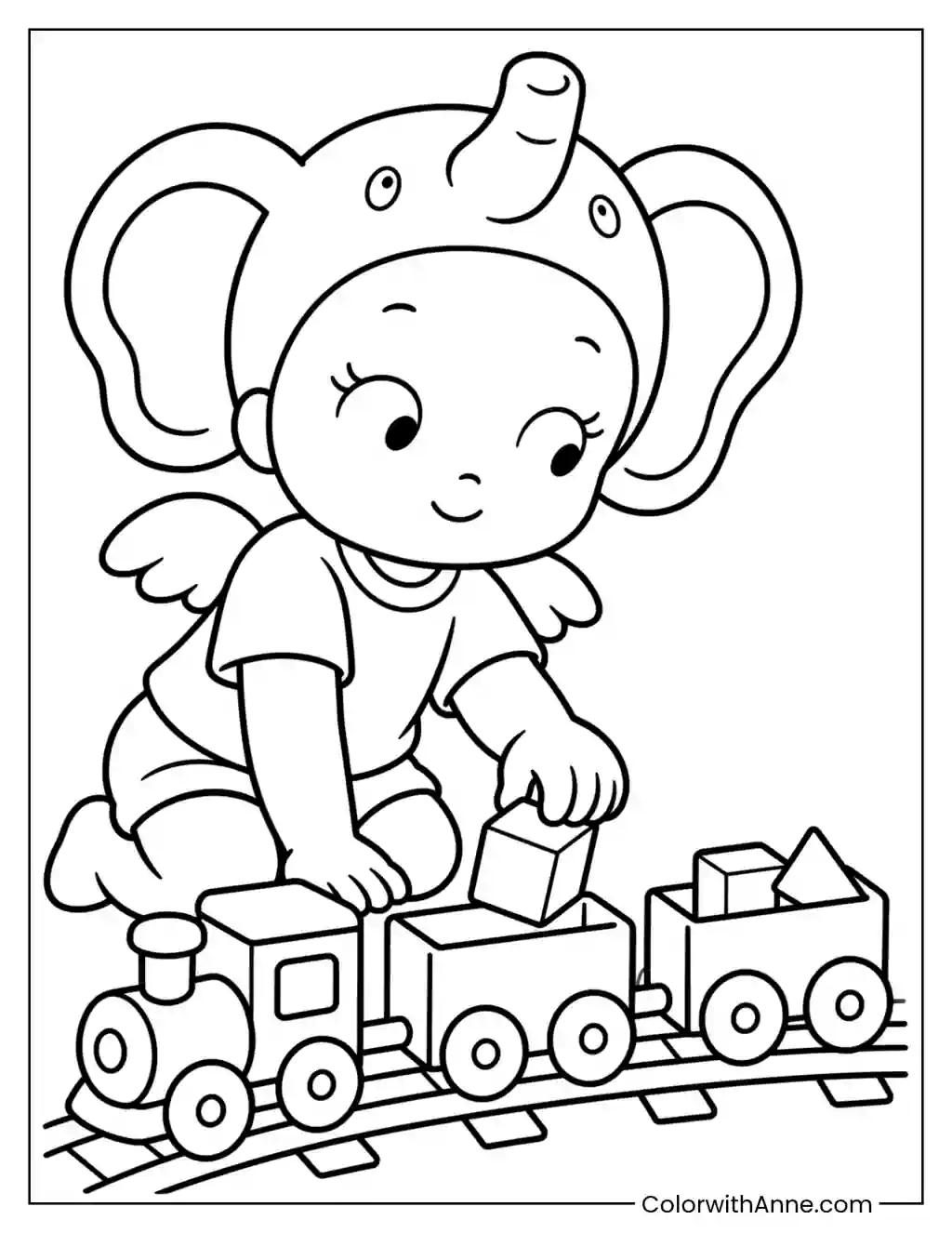
Make a Cargo Match for the Toy Train
Elephant Sonny Angel kneels beside a toy train and lowers a block into an open wagon. The block is close to the wagon’s edge, catching the moment just before it fits inside.
Try a bright block against a darker wagon so the loading point stays clear. A soft blue or gray for the elephant headpiece will sit comfortably alongside the richer train colors.
Pick three small objects, like an eraser, a button, and a folded note. Draw a simple wagon on scrap paper and see which of them fits inside its outline. The block in Sonny Angel’s hand makes a good starting point for guessing what else the little train could carry.
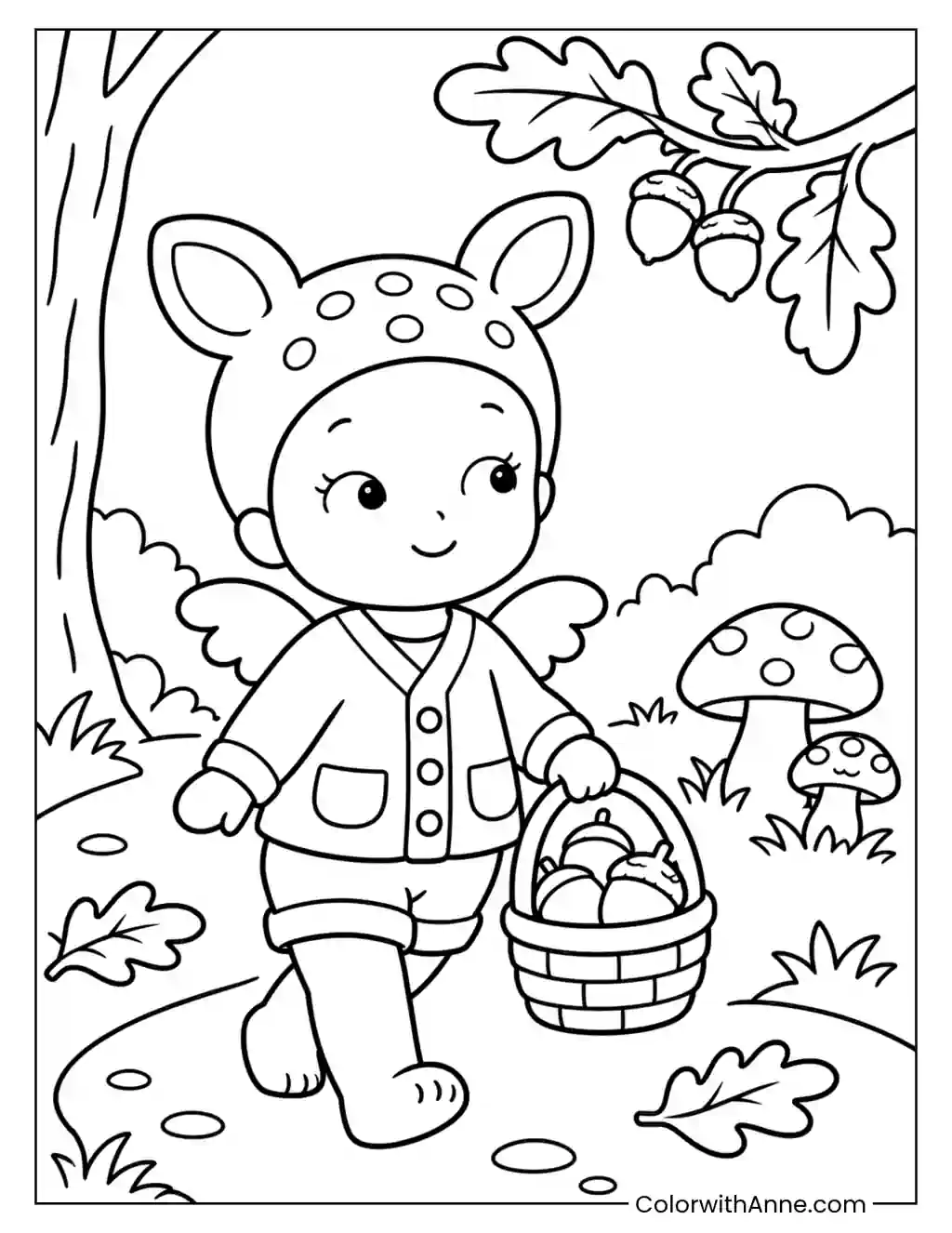
Save an Acorn Detail from a Woodland Walk
Fawn Sonny Angel carries a basket of acorns along a path beneath an oak branch. The round acorns sit close together in the basket, with the branch placing the collection in its woodland setting.
Use light brown for the acorn bodies and darker, broken strokes for their caps. A quieter green on the oak leaves helps those small brown shapes stay visible.
After a walk, add one acorn you noticed to the margin, using a quick sketch or a shape borrowed from a photo. A pointed tip, a shallow cap, or a missing cap is enough to tell it apart from those in the basket. Add the trail name if it’s somewhere you’d like to revisit.
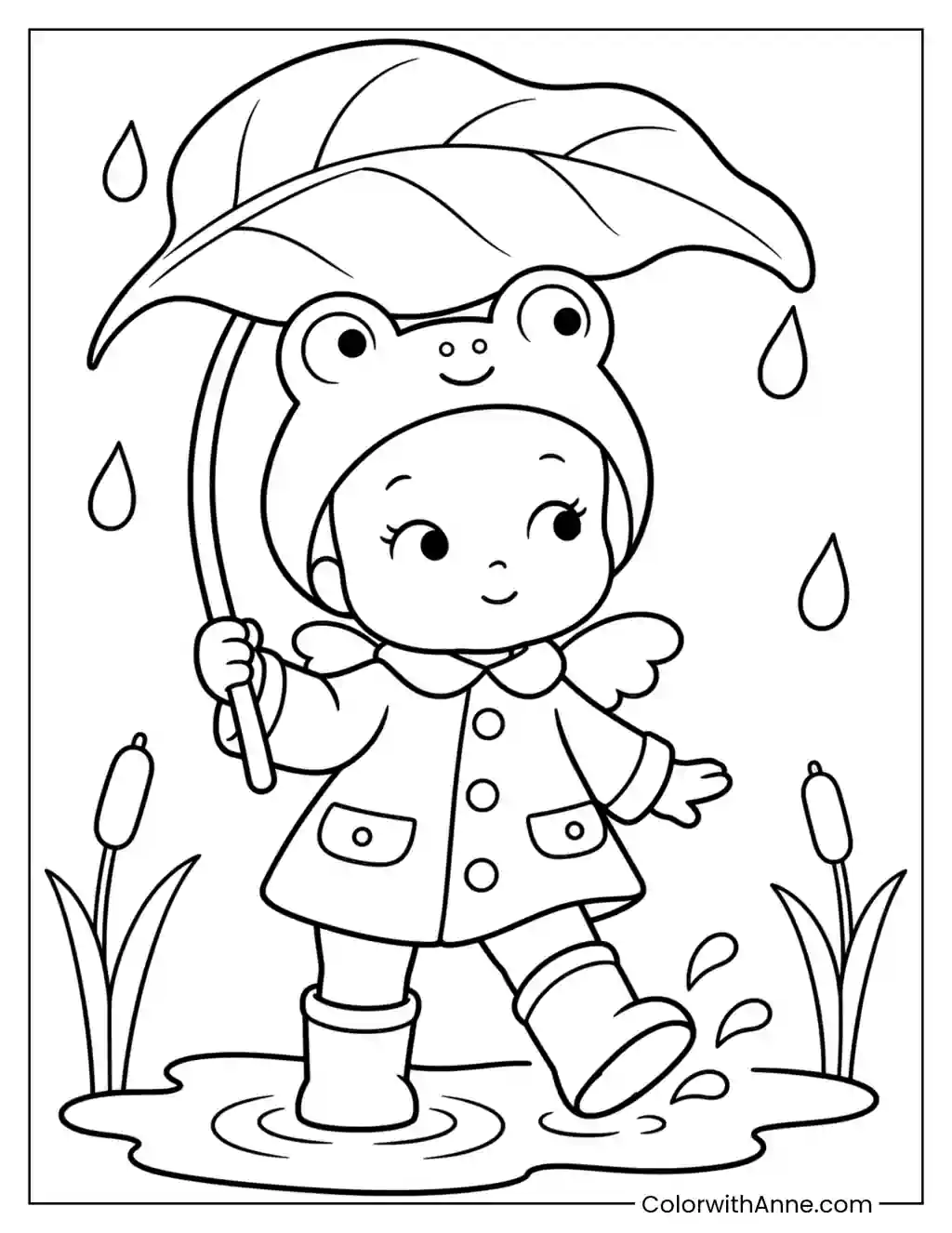
Record the Best Part of a Rainy Walk
Frog Sonny Angel splashes in a puddle beneath a giant leaf held overhead. The leaf arches above the figure like an umbrella, while the puddle shows where the water has gathered below.
Try a fresh green on the leaf and a deeper green underneath its curve. Pale blue-gray along the puddle edges will define the water while leaving room for white highlights.
If you get caught in the rain, write down one thing that made the walk worth it. It could be the smell of wet pavement or a tree that kept you dry for a minute. Put the line near the puddle and let the leaf stand in for whichever shelter you found.
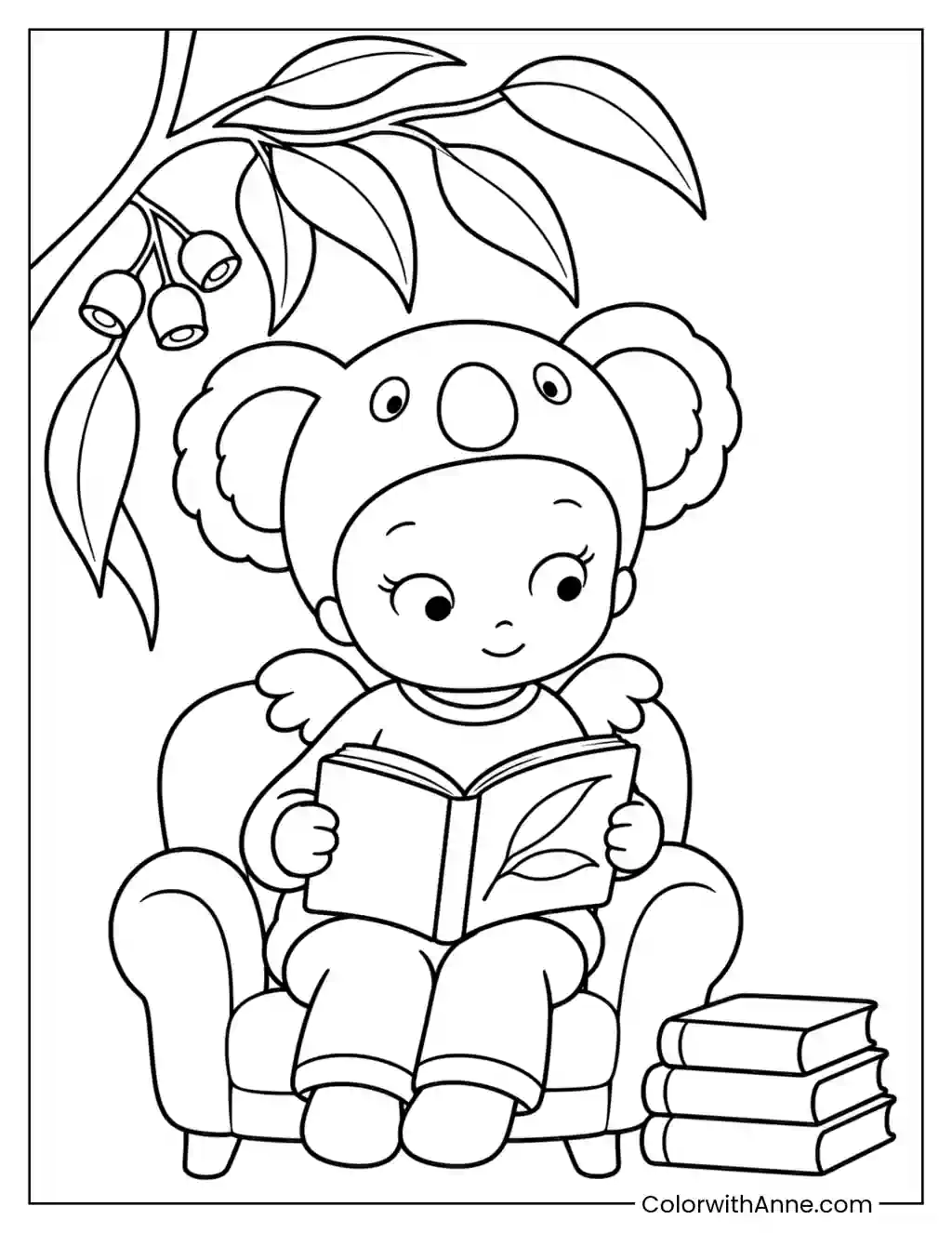
Keep a Reading Note with Koala Sonny Angel
Koala Sonny Angel reads an open book in a cushioned armchair. A leafy branch hangs above the chair, while the spread pages hold the figure’s attention.
A muted green above the chair and a warm rust or cream on the cushion will make the reading corner feel settled. Keep the pictured book pale so it stays clear against the figure.
Use the margin to save a line from whatever book you’re reading. Add the title and page number so you can find it again. A small print can stay inside the cover, ready to remind you of the part you wanted to keep.
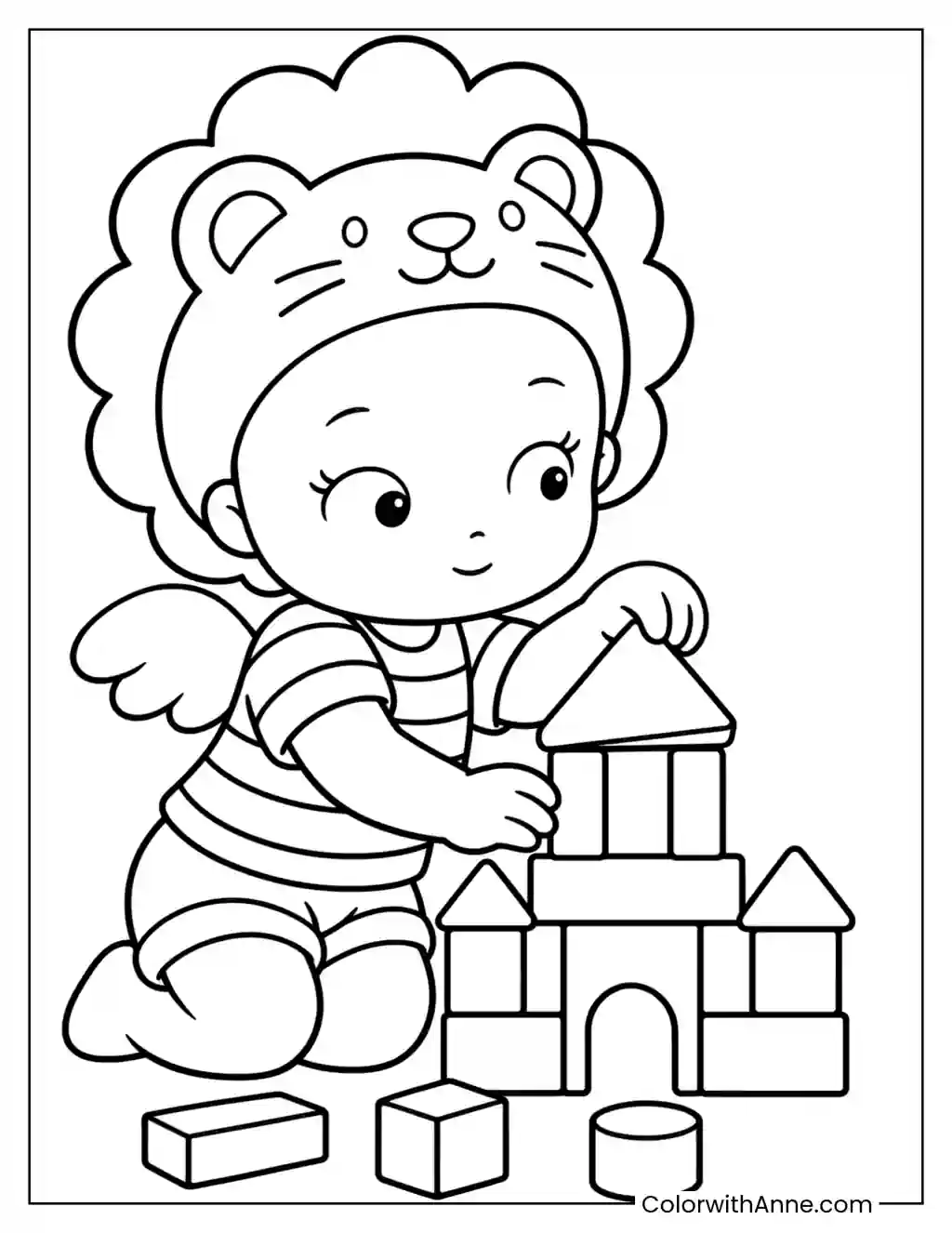
Try Three Roofs for the Block Castle
Lion Sonny Angel kneels beside a block castle and holds a pointed roof above it with both hands. The roof and the structure beneath it are visible separately, as though there’s still time to change how they fit.
Use a warm shade for the roof and cooler tones for the blocks below. Two alternating block colors will keep the individual pieces clear, especially near the top where the roof is about to sit.
If there are building blocks nearby, put the same two supports on a table and try a triangle, a flat piece, and a wider block across them. See which one overhangs or slips most easily. The picture gives you a castle worth copying, and the real pieces show what it can hold.